How-to Find the Best Co-working Spaces in Bangalore: Step-by-Step Tips, Tricks & Expert Recommendations
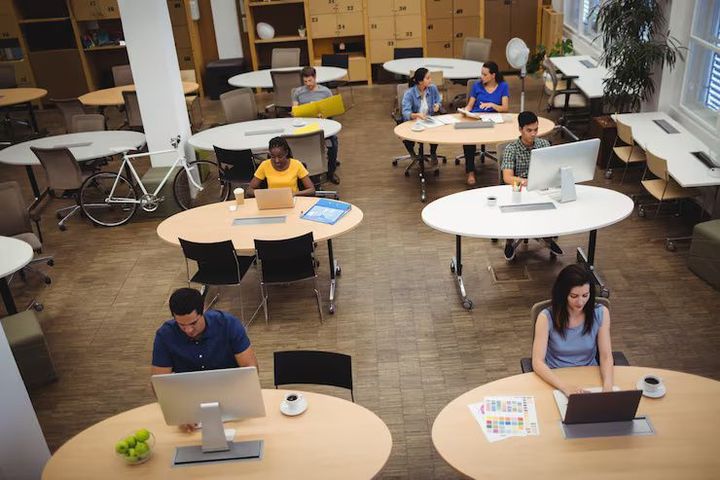
Co-working spaces are shared professional environments where individuals and teams work in a flexible office setting rather than traditional corporate offices. These environments often include workstations, meeting areas, internet connectivity, and collaborative zones. Over the past decade, Bangalore has become one of the leading hubs for flexible workspace ecosystems in Asia.
The concept emerged as remote work, startup culture, and independent entrepreneurship began expanding worldwide. Professionals increasingly sought office environments that provide structure and networking opportunities without long-term commitments typically associated with conventional office infrastructure.
Bangalore, widely recognized as India’s technology and innovation center, hosts thousands of startups, IT companies, and independent professionals. As a result, the city has developed a diverse shared office environment supporting software developers, digital marketers, designers, consultants, and small teams.
Understanding how to evaluate and identify the most suitable workspace requires awareness of several factors such as location accessibility, workspace layout, productivity infrastructure, and professional networking opportunities. A structured evaluation process helps individuals select a workspace aligned with their workflow needs and professional goals.
Why Co-Working Spaces Matter in Today’s Work Environment
Flexible work environments have gained global relevance due to rapid changes in employment patterns, technology adoption, and remote work culture. Shared workspaces provide a professional environment while supporting mobility and collaboration.
Several groups benefit from the growth of co-working ecosystems:
-
Freelancers and independent professionals seeking structured work environments
-
Startup founders and early-stage teams needing flexible office infrastructure
-
Remote employees working for international companies
-
Digital professionals in fields such as marketing, programming, design, and analytics
The growing popularity of shared workspaces addresses several challenges faced by modern professionals.
Common problems addressed by co-working environments
-
Lack of professional workspace at home
-
Limited opportunities for networking and collaboration
-
Reduced productivity due to distractions
-
Difficulty accessing meeting rooms and office technology
Shared workspaces also contribute to the broader innovation ecosystem in Bangalore by bringing professionals from different industries into the same environment.
Below is a simplified comparison between traditional office setups and flexible workspaces.
| Feature | Traditional Office | Co-Working Environment |
|---|---|---|
| Workspace flexibility | Limited | High |
| Collaboration opportunities | Restricted to internal teams | Cross-industry networking |
| Workspace scaling | Complex | Adaptable |
| Infrastructure management | Organization-managed | Shared environment |
| Community interaction | Minimal | Strong professional community |
Professionals increasingly prioritize workspaces that support both productivity and collaboration, making shared office environments an important part of modern urban economies.
Recent Trends in Co-Working Ecosystems
Over the past year, several developments have influenced the shared workspace sector in India and particularly in Bangalore.
One major trend is the expansion of hybrid work culture. According to workspace industry reports published in 2024, many organizations adopted hybrid work models that combine remote and in-office work. This shift increased demand for flexible workspace environments where employees can work periodically outside their homes.
Another important development occurred in mid-2024, when several real estate research firms reported a rise in flexible workspace adoption by technology startups and consulting professionals. The report highlighted that Bangalore accounts for a large portion of India’s shared office market.
Additional trends shaping co-working spaces include:
-
Growth of technology-enabled workspaces with smart meeting systems
-
Increasing demand for private collaboration zones
-
Expansion of industry-specific communities such as fintech and artificial intelligence
-
Focus on sustainable office infrastructure, including energy-efficient workspaces
The shared workspace industry also began integrating digital tools that support remote collaboration, allowing professionals to connect with distributed teams globally.
The following chart illustrates major factors influencing workspace preferences among professionals.
| Workspace Preference Factor | Relative Importance |
|---|---|
| Location accessibility | High |
| Internet reliability | High |
| Quiet work environment | Medium |
| Collaboration opportunities | Medium |
| Community events | Medium |
| Workspace design | Low to Medium |
These trends show that productivity infrastructure and accessibility remain key considerations when evaluating workspace environments.
Regulations and Policy Factors Affecting Shared Workspaces
The flexible workspace industry operates within the broader framework of commercial real estate regulations and workplace compliance standards in India.
Several policy frameworks influence shared workspace operations and management:
Commercial property regulations
Co-working environments must operate within legally designated commercial properties or approved mixed-use buildings under local urban planning regulations. Municipal authorities regulate zoning rules to ensure that commercial activities align with city planning guidelines.
Startup ecosystem policies
India’s Startup India initiative, launched by the Government of India, encourages entrepreneurship and innovation. Although the program does not directly regulate shared workspaces, it supports startup communities that frequently use flexible workspace environments.
Data protection and digital compliance
With many professionals handling sensitive digital information, workspace operators often implement cybersecurity and digital infrastructure standards to ensure safe internet usage.
Workplace safety regulations
Shared office environments must comply with workplace safety requirements, including:
-
Fire safety regulations
-
Emergency exit accessibility
-
Electrical infrastructure standards
-
Health and sanitation guidelines
Understanding these regulatory factors helps professionals evaluate whether a workspace environment maintains appropriate operational standards.
Tools and Resources for Evaluating Co-Working Spaces
Digital tools and research resources make it easier to analyze workspace options and compare productivity environments.
Workspace discovery platforms
Several platforms help professionals explore available workspace environments and review facilities.
-
Google Maps – location analysis and accessibility insights
-
Coworker.com – global workspace directory
-
Workspaces app directories – industry databases listing shared offices
Productivity evaluation tools
When assessing workspace suitability, professionals often rely on tools that support workflow analysis.
-
Internet speed testing platforms
-
Noise level monitoring applications
-
Digital collaboration tools
Workspace planning templates
Planning templates help evaluate workspace suitability before making long-term commitments.
Typical evaluation criteria include:
-
Workspace layout suitability
-
Internet reliability
-
Meeting room availability
-
Community networking opportunities
-
Accessibility via public transportation
Below is a simple evaluation framework professionals can use when comparing workspace environments.
| Evaluation Factor | Key Questions |
|---|---|
| Location | Is the workspace accessible through major transport routes? |
| Infrastructure | Does it support reliable internet and digital tools? |
| Work environment | Is the atmosphere suitable for focused work? |
| Collaboration areas | Are there spaces designed for meetings and teamwork? |
| Community | Does the environment encourage professional networking? |
Using structured evaluation methods helps professionals identify workspaces aligned with their productivity needs.
Frequently Asked Questions
What is a co-working space?
A co-working space is a shared professional environment where individuals from different organizations work in the same office infrastructure while maintaining independent workflows.
Why is Bangalore known for co-working spaces?
Bangalore hosts a large technology ecosystem, startup community, and remote workforce. These factors contribute to high demand for flexible workspace environments.
Who typically uses shared workspaces?
Users often include freelancers, startup teams, digital professionals, remote employees, consultants, and small business founders.
How can professionals evaluate workspace suitability?
Key evaluation factors include location accessibility, internet reliability, workspace layout, collaboration facilities, and the overall work environment.
Do co-working spaces support collaboration?
Yes. Shared workspace environments often bring professionals from different industries together, which can encourage knowledge exchange and networking.
Conclusion
Flexible work environments have become an important part of modern professional ecosystems, particularly in innovation-focused cities like Bangalore. Shared workspaces provide an adaptable environment that supports independent professionals, startups, and distributed teams.
Evaluating workspace environments requires careful consideration of infrastructure quality, accessibility, professional atmosphere, and collaboration opportunities. Understanding current trends, regulatory frameworks, and productivity tools helps professionals make informed decisions about where they work.