Industrial Monitoring Solutions Overview: Core Technologies, Benefits, and Operational Insights
Industrial monitoring solutions refer to systems and technologies used to observe, measure, and analyze industrial operations in real time.
These solutions gather information from machines, sensors, and production environments to help organizations understand how equipment and processes are performing.
Historically, factories relied on manual inspections and periodic maintenance schedules. However, as manufacturing systems became more complex, organizations needed better ways to track performance and identify potential issues earlier. Industrial monitoring systems emerged as a response to this need, allowing engineers and operators to collect operational data continuously.
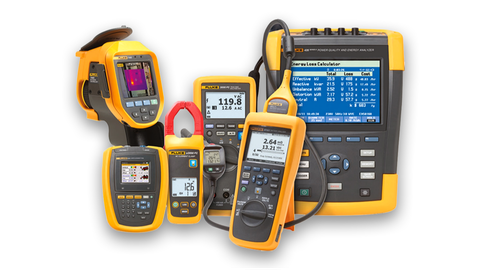
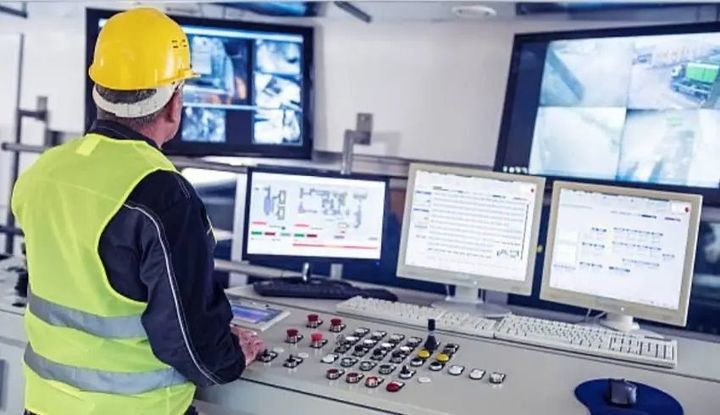
Modern monitoring platforms often combine industrial sensors, network connectivity, and data analytics. They collect information from equipment such as motors, pumps, conveyors, and production lines. The collected data is then processed through software dashboards or analytics platforms that help operators visualize system behavior.
Common elements within industrial monitoring environments include:
-
Industrial Internet of Things (IIoT) sensors
-
Machine performance analytics platforms
-
Data visualization dashboards
-
Equipment condition monitoring tools
-
Industrial automation monitoring systems
These technologies work together to transform raw operational data into insights that support better decision-making in manufacturing, energy production, logistics, and other industrial sectors.
Why Industrial Monitoring Matters Today
Industrial monitoring solutions have become increasingly important as industries move toward automation, digital transformation, and data-driven operations. Modern production systems generate large amounts of data, and monitoring platforms help organizations interpret that data effectively.
One of the key benefits of industrial monitoring is improved visibility into operational performance. By continuously tracking machine conditions and production metrics, organizations can better understand how equipment behaves during different workloads and operating conditions.
Several challenges faced by industrial environments make monitoring technologies particularly relevant today.
Operational complexity
Modern factories often contain hundreds or thousands of interconnected components. Monitoring systems provide centralized oversight, helping teams track performance across multiple machines and facilities.
Predictive maintenance
Instead of relying only on scheduled maintenance, predictive maintenance systems analyze sensor data to identify patterns that indicate potential equipment wear or failure.
Energy efficiency
Industrial monitoring platforms frequently track energy consumption and system efficiency. This helps organizations identify areas where resources may be used more effectively.
Process optimization
By analyzing production metrics and machine performance analytics, organizations can identify inefficiencies and adjust processes accordingly.
Industries that commonly rely on industrial monitoring solutions include:
-
Manufacturing and production facilities
-
Oil and gas operations
-
Power generation and energy infrastructure
-
Mining and heavy industry
-
Transportation and logistics hubs
The growing adoption of industrial automation and smart factory concepts has further increased the importance of monitoring systems.
Recent Developments in Industrial Monitoring Technologies
Over the past year, several technological developments have influenced how industrial monitoring solutions are implemented and used. Advances in connectivity, data processing, and artificial intelligence have expanded the capabilities of monitoring platforms.
In 2025, industrial organizations increasingly adopted edge computing to process monitoring data closer to the equipment generating it. Edge systems allow faster analysis of machine signals and reduce reliance on centralized cloud processing.
Another significant trend has been the expansion of industrial IoT monitoring networks. As sensor technology becomes more accessible, facilities are integrating additional measurement points into production equipment. These sensors track variables such as vibration, temperature, pressure, and power consumption.
Recent research reports published in 2024 and 2025 highlight several emerging trends:
-
Increased integration between industrial monitoring systems and enterprise resource planning platforms
-
Greater use of machine learning for predictive maintenance analytics
-
Expanded cybersecurity frameworks for industrial data monitoring networks
-
Wider adoption of digital twin simulations for operational modeling
The development of AI-driven analytics has also improved the ability of monitoring systems to detect unusual machine behavior. These analytics tools analyze historical and real-time data patterns to identify operational anomalies that may require investigation.
In addition, many industrial organizations are exploring smart factory monitoring frameworks, where monitoring solutions are integrated across production, logistics, and supply chain systems.
Regulatory and Policy Considerations
Industrial monitoring solutions are often influenced by safety regulations, environmental policies, and data governance requirements. These frameworks vary depending on the country and industry sector.
In India, industrial operations are commonly guided by safety and operational regulations established by agencies such as:
-
Factory safety regulations under the Factories Act
-
Environmental monitoring requirements under the Ministry of Environment, Forest and Climate Change
-
Industrial automation standards promoted by the Bureau of Indian Standards
Monitoring systems help organizations maintain compliance with these requirements by collecting data related to machine safety, emissions, and environmental conditions.
Environmental monitoring is particularly important for industries that generate emissions, waste materials, or energy consumption impacts. Industrial monitoring solutions can track parameters such as:
-
Air quality and emissions levels
-
Energy consumption metrics
-
Waste management indicators
-
Equipment safety performance
Government initiatives supporting digital transformation have also influenced monitoring technologies. Programs that encourage Industry 4.0 adoption and advanced manufacturing practices promote the use of data analytics, automation monitoring, and connected industrial infrastructure.
In addition, many organizations follow international standards such as ISO guidelines for industrial data management and equipment monitoring, which help establish consistent monitoring practices across global operations.
Tools and Resources for Industrial Monitoring
A variety of software platforms, tools, and frameworks support industrial monitoring solutions. These resources help organizations collect, analyze, and visualize operational data.
Common categories of industrial monitoring tools include:
-
Industrial IoT sensor platforms
-
Machine performance analytics software
-
Industrial data dashboards
-
Predictive maintenance systems
-
Energy monitoring tools
The following table highlights typical monitoring technologies and their roles in industrial environments.
| Monitoring Tool Type | Main Function | Example Applications |
|---|---|---|
| Sensor Networks | Collect equipment and environmental data | Temperature, vibration, pressure tracking |
| Data Analytics Platforms | Analyze operational performance patterns | Machine efficiency analysis |
| Predictive Maintenance Systems | Detect early signs of equipment wear | Maintenance planning |
| Visualization Dashboards | Present monitoring data visually | Operational performance monitoring |
| Edge Computing Systems | Process data near equipment | Real-time anomaly detection |
Organizations often combine multiple monitoring tools to create comprehensive monitoring ecosystems. Integration between monitoring systems and existing industrial automation platforms is an important factor in effective implementation.
Educational resources, research publications, and technology documentation also support professionals who want to learn more about industrial monitoring technologies.
Frequently Asked Questions
What are industrial monitoring solutions?
Industrial monitoring solutions are systems that track and analyze equipment performance, environmental conditions, and operational processes within industrial facilities. These systems typically use sensors, data analytics software, and monitoring dashboards to provide real-time operational insights.
How do predictive maintenance systems work?
Predictive maintenance systems analyze data collected from industrial equipment. By identifying patterns such as unusual vibration levels or temperature changes, these systems help detect potential equipment issues before they become major failures.
What industries use industrial monitoring technologies?
Many industries use monitoring systems, including manufacturing, energy production, transportation, mining, and logistics. These technologies help organizations track machine performance, operational efficiency, and environmental conditions.
What technologies are commonly used in industrial monitoring?
Common technologies include industrial IoT sensors, machine performance analytics platforms, edge computing systems, industrial automation monitoring software, and data visualization dashboards.
How does industrial monitoring support operational efficiency?
Monitoring systems provide detailed insights into equipment behavior and production processes. This information helps organizations identify inefficiencies, optimize maintenance schedules, and improve overall system performance.
Conclusion
Industrial monitoring solutions play a critical role in modern industrial environments. As manufacturing and infrastructure systems become more connected and data-driven, monitoring technologies provide essential visibility into equipment performance and operational conditions.
By combining sensor networks, industrial data analytics, and automation monitoring systems, organizations can gain deeper insights into how their operations function. These insights help support predictive maintenance strategies, improve energy management, and enhance overall operational efficiency.
Recent developments in artificial intelligence, edge computing, and industrial IoT networks have expanded the capabilities of monitoring platforms. These technologies continue to shape how industrial organizations analyze data and manage complex operational systems.
At the same time, regulatory frameworks and industry standards influence how monitoring systems are implemented. Safety requirements, environmental monitoring policies, and digital infrastructure initiatives all contribute to the evolving landscape of industrial monitoring technologies.