Liquid Chromatography Machine Overview: Key Features, Types, and Applications
A liquid chromatography machine is a laboratory instrument used to separate, identify, and measure different components in a mixture.
It works by passing a liquid sample through a column filled with a material that interacts differently with each substance. As the sample moves through the column, its components separate based on their chemical properties.
The concept of chromatography dates back to early scientific experiments focused on separating plant pigments. Over time, it evolved into modern techniques such as the HPLC machine, also known as a high performance liquid chromatography system. Today, liquid chromatography equipment is widely used in laboratories for research, quality control, and testing across multiple industries.
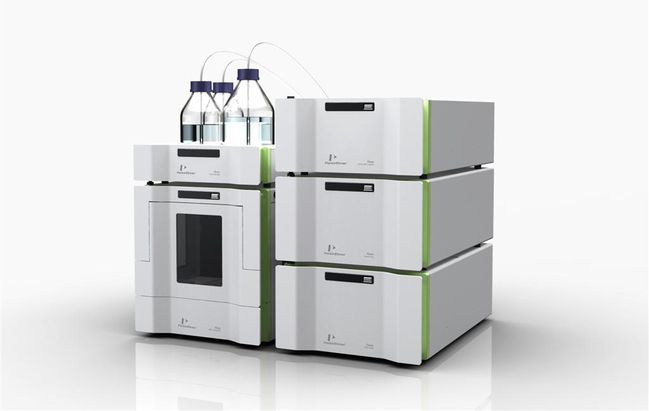
A liquid chromatography instrument typically consists of several parts, including a pump, injector, column, detector, and data system. These components work together to deliver precise and repeatable results. The technology is considered an essential part of chromatography lab equipment in many scientific environments.
Importance
Liquid chromatography plays a key role in analyzing substances that are difficult to separate using other methods. It is especially important in industries where accuracy and safety are critical.
In pharmaceutical environments, HPLC for pharmaceutical analysis helps identify active ingredients, impurities, and degradation products. This ensures that medicines meet strict quality standards before reaching patients. In food testing labs, liquid chromatography for food testing labs is used to detect additives, contaminants, and pesticide residues.
Biotechnology laboratories also rely on chromatography systems for biotech labs to study proteins, enzymes, and other biological molecules. These analyses support research in healthcare, agriculture, and environmental science.
The importance of an analytical chromatography machine extends beyond laboratories. It helps address real-world challenges such as ensuring food safety, maintaining drug quality, and monitoring environmental pollutants. Without these tools, accurate chemical analysis would be far more difficult.
Recent Updates
Advancements in Automation and Software
Recent developments in liquid chromatography equipment focus on improving automation and data handling. Modern HPLC systems for laboratories now include advanced software that allows users to monitor processes, analyze results, and manage data more efficiently.
Automation reduces manual intervention and minimizes human error. This is particularly useful in high-throughput laboratories where multiple samples are analyzed daily.
Improved Sensitivity and Speed
Newer high performance liquid chromatography systems are designed to deliver faster results while maintaining accuracy. Enhanced detectors and improved column materials allow better separation of complex mixtures.
These improvements are important for applications such as pharmaceutical testing and environmental monitoring, where even small variations can be significant.
Compact and Modular Designs
Manufacturers are increasingly developing compact liquid chromatography instruments that fit into smaller lab spaces. Modular designs allow laboratories to customize systems based on specific needs, whether for routine testing or advanced research.
Integration with Other Technologies
Liquid chromatography is often combined with techniques like mass spectrometry to provide more detailed analysis. This integration expands the capabilities of HPLC analysis equipment, making it suitable for complex scientific studies.
Laws or Policies
Liquid chromatography systems are influenced by regulatory frameworks that ensure safety, accuracy, and reliability in laboratory testing.
In India, organizations such as the Central Drugs Standard Control Organization (CDSCO) oversee pharmaceutical quality standards. Laboratories using HPLC for pharmaceutical analysis must follow guidelines related to validation, calibration, and documentation.
Food testing laboratories are regulated by the Food Safety and Standards Authority of India (FSSAI). Liquid chromatography for food testing labs must comply with standards for detecting contaminants and ensuring food safety.
Environmental testing is guided by agencies like the Central Pollution Control Board (CPCB). Chromatography lab equipment used in these settings must meet specific requirements for monitoring pollutants in air, water, and soil.
International standards also play a role. Guidelines from organizations such as the International Council for Harmonisation (ICH) influence how analytical chromatography machines are used globally. These standards promote consistency in testing methods across different regions.
Tools and Resources
Laboratories use a variety of tools and resources alongside liquid chromatography machines to improve accuracy and efficiency.
Data Analysis Software
Modern HPLC systems for laboratories include software that processes chromatograms and generates reports. These tools help scientists interpret results and maintain records.
Calibration Standards
Calibration materials are used to ensure that the liquid chromatography instrument provides accurate measurements. Regular calibration is essential for reliable results.
Columns and Consumables
Different types of columns are used depending on the application. For example, preparative liquid chromatography systems use larger columns to isolate significant quantities of compounds, while analytical systems focus on detailed measurement.
Laboratory Information Management Systems (LIMS)
LIMS platforms help manage sample data, track experiments, and store results. These systems are often integrated with HPLC analysis equipment to streamline workflows.
Reference Materials and Databases
Scientists rely on chemical databases and reference materials to identify compounds. These resources support accurate interpretation of chromatographic data.
Common Components of a Liquid Chromatography System
| Component | Function |
|---|---|
| Pump | Moves the liquid solvent through the system |
| Injector | Introduces the sample into the flow |
| Column | Separates components based on interactions |
| Detector | Identifies and measures separated compounds |
| Data System | Records and analyzes results |
FAQs
What is a liquid chromatography machine used for?
A liquid chromatography machine is used to separate and analyze components in a mixture. It is commonly applied in pharmaceuticals, food testing, environmental studies, and biotechnology research.
How does an HPLC machine work?
An HPLC machine uses high pressure to push a liquid sample through a column filled with a stationary phase. Different substances in the sample interact differently with the column, causing them to separate and be detected individually.
What is the difference between analytical and preparative liquid chromatography systems?
An analytical chromatography machine focuses on identifying and measuring small quantities of substances. A preparative liquid chromatography system is used to isolate and collect larger amounts of purified compounds.
Where is HPLC for pharmaceutical analysis commonly used?
HPLC for pharmaceutical analysis is used in drug development, quality control, and stability testing. It helps ensure that medicines meet required safety and composition standards.
Why is liquid chromatography important for food testing labs?
Liquid chromatography for food testing labs helps detect contaminants, additives, and pesticide residues. This ensures that food products comply with safety regulations and are suitable for consumption.
Conclusion
Liquid chromatography machines are essential tools for separating and analyzing complex mixtures in various scientific fields. From pharmaceuticals to food safety, these instruments support accurate and reliable testing. Advances in automation, sensitivity, and integration continue to improve their capabilities. Regulatory frameworks ensure that their use meets strict standards for safety and consistency. Overall, liquid chromatography remains a fundamental part of modern laboratory practices.