Luxury Wellness Retreats: A Complete Guide with Insights & Key Details
Luxury wellness retreats are dedicated spaces designed to support physical, emotional, and mental well-being through structured programs such as holistic wellness activities, mindfulness practices, digital detox routines, nutrition planning, fitness sessions, and recovery therapies. They emerged from the growing interest in wellness tourism—a segment that prioritizes healthier lifestyles, stress reduction, and long-term well-being.
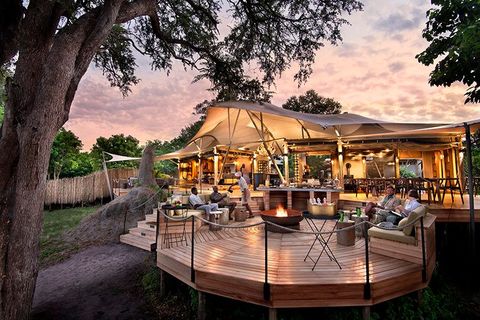
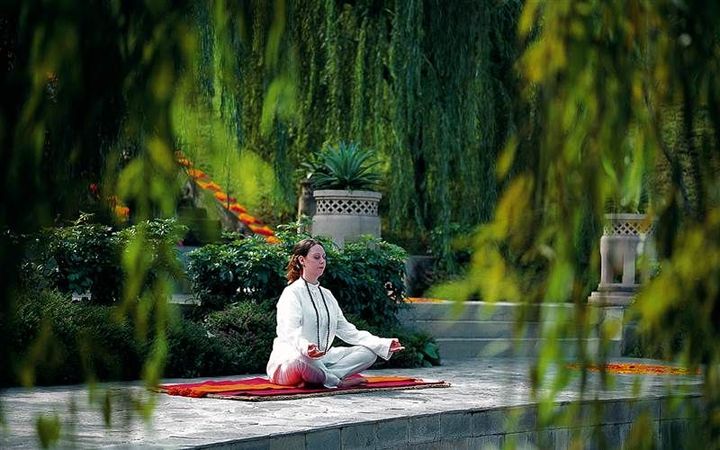
These retreats differ from traditional travel because the focus is not entertainment or sightseeing but personal health improvement, deeper relaxation, and guided routines that promote balance. Modern wellness retreats incorporate elements such as restorative therapies, meditation, nature-based experiences, and personalized wellness assessments. They are typically located in calm environments such as mountains, beaches, forests, or eco-friendly resorts where tranquility supports better recovery.
The rise of digital overload, demanding work culture, and increased awareness of mental well-being have made these retreats more common. People now seek structured time away from daily routines to slow down, reflect, and engage in practices that support long-term health optimization.
Importance
Luxury wellness retreats have become important for several reasons. The increasing impact of stress, anxiety, sleep disruptions, and lifestyle-related conditions has encouraged individuals to explore preventive wellness options. These retreats offer structured programs that help participants step away from routine pressures and recalibrate their physical and emotional state.
They matter today because:
-
Stress Management Needs
Many people experience burnout due to work intensity, digital saturation, and limited rest. Retreats provide guided tools to help reset mental clarity. -
Shift Toward Preventive Health
Wellness travelers now look for long-term solutions rather than short-term relaxation. Activities such as restorative yoga, breathwork, mindfulness programs, and personalized nutrition planning support sustainable lifestyle improvement. -
Growing Interest in Holistic Wellness
Individuals increasingly value interconnected well-being—mind, body, and emotional balance. Luxury retreats integrate therapies from multiple traditions like Ayurveda, hydrotherapy, aromatherapy, and nature-based healing. -
Improved Sleep and Recovery
Dedicated recovery environments with sleep-supportive routines, sound healing, and sensory relaxation have become beneficial for people with irregular schedules. -
Environmental and Sustainability Awareness
Many modern retreats emphasize eco-friendly practices, plant-based nutrition, low-impact design, and sustainable travel principles.
Luxury wellness retreats also help solve issues such as screen fatigue, emotional exhaustion, disrupted routines, and lack of quality rest. They create conditions where individuals can recharge while learning healthier habits that continue after the retreat ends.
Recent Updates
Several developments over the past year have shaped the direction of luxury wellness retreats.
Key trends (2024–2025):
-
Rising demand for mindfulness-focused travel
Travelers are seeking structured meditation, breathwork, and emotional resilience programs -
Nature-integrated wellness programs
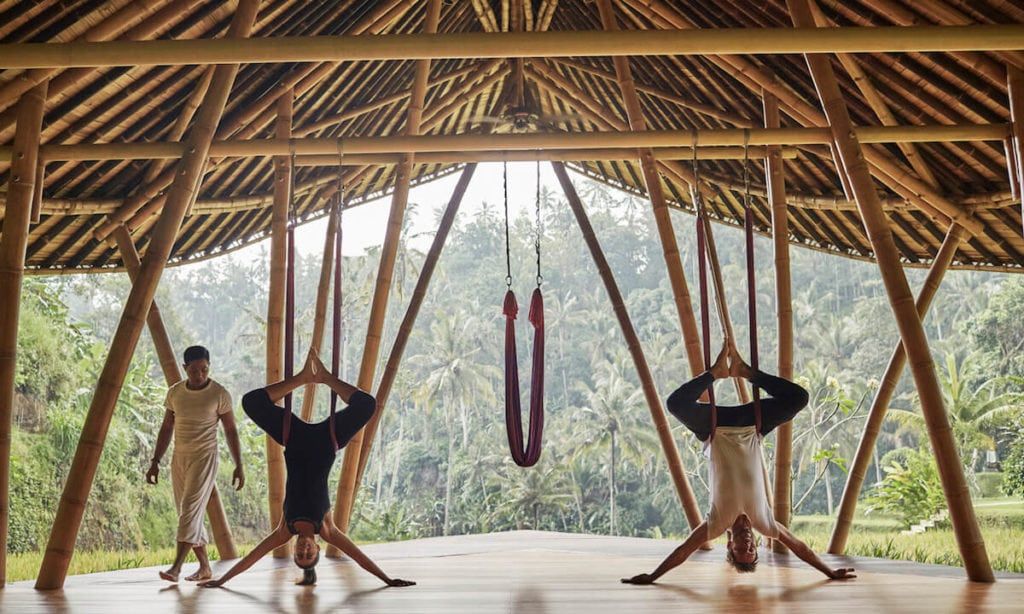
Forest immersion, open-air yoga, and eco-connected healing experiences are gaining popularity -
Sleep optimization trends
Retreats now focus on circadian health, sleep coaching, and sensor-based sleep tracking -
Personalized wellness assessments
Programs increasingly use health tracking and lifestyle analysis to customize experiences -
Plant-based and functional nutrition
Focus on anti-inflammatory diets, gut health, and interactive nutrition sessions -
Mental well-being coaching
Workshops on emotional resilience and stress reduction are now core components
These updates highlight a shift toward personalized, science-informed, and holistic wellness experiences.
Laws or Policies
Luxury wellness retreats are influenced by tourism, health, and environmental regulations.
Common policy areas include:
-
Wellness tourism regulations
Define safety standards, operational guidelines, and permitted activities -
Health and wellness practice guidelines
Require certified professionals for yoga, Ayurveda, physiotherapy, and therapeutic sessions -
Environmental and sustainability policies
Cover waste management, eco-friendly construction, and resource conservation -
Food and nutrition compliance
Ensure safe food preparation and adherence to dietary standards -
Data protection and privacy
Apply when using digital wellness tracking tools and personal health data
These frameworks ensure safety, quality, and responsible wellness practices.
Tools and Resources
Various tools and platforms support wellness tracking, planning, and learning.
Wellness and mindfulness apps:
- Insight Timer
- Headspace
- Calm
Fitness and activity tracking tools:
- Google Fit
- Apple Health
- WHOOP Journal
Nutrition and habit-building tools:
- Cronometer
- MyFitnessPal
- Mindful nutrition guides
Travel and planning resources:
- Wellness tourism directories
- Digital detox planners
Journaling and reflection tools:
- Day One Journal
- Journey App
Informational resources:
- Global wellness research platforms
- Holistic health libraries
- Mindfulness education portals
These tools help individuals prepare for retreats and maintain wellness habits over time.
FAQs
What is the main purpose of a luxury wellness retreat?
It provides a structured environment for improving physical, mental, and emotional well-being through guided activities and therapies.
Are retreats suitable for beginners?
Yes, many programs are designed for all experience levels with guided support.
How long do retreats usually last?
They typically range from 3–7 days, with some extending to 10–14 days.
Do they include mental wellness programs?
Yes, many include mindfulness coaching, emotional balance sessions, and stress management workshops.
What activities are included?
Activities may include yoga, meditation, nature walks, breathing exercises, nutrition workshops, and relaxation therapies.
Conclusion
Luxury wellness retreats have become an important part of modern wellness tourism, offering structured environments for improving physical health, emotional well-being, and mental clarity.
With trends focusing on personalization, mindfulness, sleep improvement, and sustainability, these retreats continue to evolve. Supported by tools, regulations, and wellness practices, they provide meaningful opportunities for individuals to restore balance and build long-term healthy habits.