Minimalist Accessories Overview: Explanation, Facts, Details & Helpful Resources
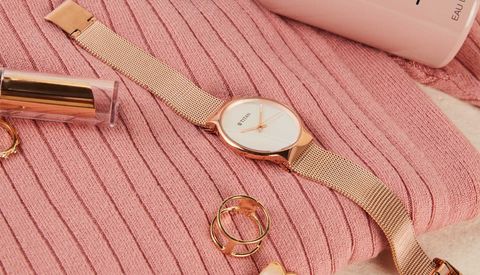
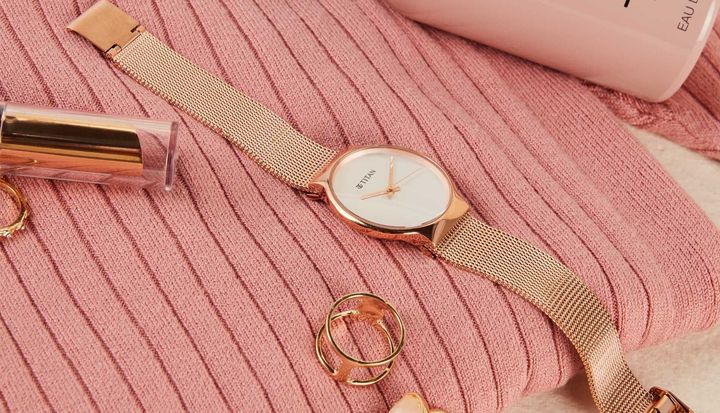
Minimalist accessories refer to simple, clean, and functional fashion items designed with a “less is more” philosophy. These accessories focus on subtle elegance rather than bold or excessive decoration. Common examples include thin chain necklaces, small stud earrings, neutral-toned bags, simple watches, and sleek belts.
The concept originates from minimalist design principles, which emphasize clarity, purpose, and simplicity. In fashion, this approach developed as a response to fast-changing trends and overly complex styles. Many individuals began seeking timeless pieces that could match multiple outfits without overwhelming the overall look.
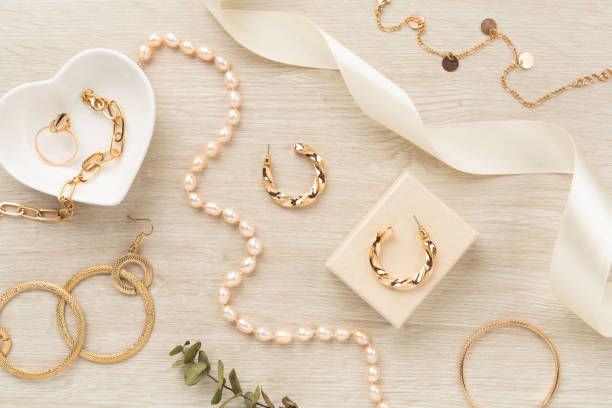
Minimalist accessories exist to provide balance. Instead of dominating an outfit, they complement it. Their design often uses neutral colors, geometric shapes, and lightweight materials. This allows wearers to create a refined appearance with fewer items.
Importance – Why Minimalist Accessories Matter Today
Minimalist accessories are increasingly relevant in modern lifestyles where simplicity, efficiency, and sustainability are valued. They appeal to a wide audience, including professionals, students, and individuals interested in organized wardrobes.
One key reason for their importance is versatility. A single minimalist accessory can be paired with multiple outfits, reducing the need for large collections. This helps simplify daily decision-making and supports a more intentional approach to fashion.
They also address common fashion challenges:
-
Overconsumption: Encourages fewer, more meaningful purchases
-
Cluttered wardrobes: Promotes organized and manageable collections
-
Style confusion: Offers easy-to-match pieces for consistent looks
-
Time-saving: Simplifies outfit coordination
From a professional perspective, minimalist accessories are often suitable for formal and casual environments. Their understated design aligns with workplace dress standards while remaining stylish.
Additionally, there is a growing connection between minimalist fashion and sustainability. By choosing fewer, durable items, individuals can reduce waste and support long-term use.
Recent Updates – Trends and Developments
Minimalist accessories continue to evolve with changing fashion preferences and digital influence. In recent times, several noticeable trends have shaped this category:
-
Sustainable Materials: Increased use of recycled metals, eco-friendly fabrics, and ethically sourced materials
-
Digital Styling Tools: Growth of virtual wardrobe planners and AI-based styling recommendations
-
Neutral Color Expansion: Popularity of earthy tones such as beige, olive, and soft gray
-
Gender-Neutral Designs: Accessories designed for universal use regardless of gender
-
Multi-functional Pieces: Items that serve more than one purpose, such as convertible bags or adjustable jewelry
A notable shift is the integration of technology into fashion planning. Many users now rely on digital platforms to visualize how minimalist accessories fit into their wardrobe.
Below is a simple comparison of traditional vs minimalist accessory trends:
| Feature | Traditional Accessories | Minimalist Accessories |
|---|---|---|
| Design Style | Decorative, bold | Simple, clean |
| Color Usage | Bright, varied | Neutral, subtle |
| Quantity | Multiple pieces | Fewer, versatile items |
| Functionality | Mostly decorative | Functional and practical |
| Longevity | Trend-based | Timeless |
These updates reflect a broader shift toward mindful consumption and practical fashion choices.
Laws or Policies – Regulatory Influence
Minimalist accessories, like all fashion products, are influenced by general regulations related to manufacturing, labeling, and environmental standards. While the concept itself is not regulated, the materials and production processes are often subject to guidelines.
Common regulatory aspects include:
-
Material Safety Standards: Ensuring accessories do not contain harmful substances
-
Labeling Requirements: Accurate information about materials and origin
-
Environmental Guidelines: Encouraging reduced waste and sustainable production
-
Import and Export Rules: Affecting how accessories are distributed globally
There is also increasing attention to ethical sourcing. Many manufacturers are expected to follow responsible practices when obtaining materials such as metals, leather, or fabrics.
In some regions, sustainability certifications and eco-labels are becoming more common. These labels help consumers identify products that align with environmental standards.
Tools and Resources – Helpful Platforms and Guides
Several tools and resources can assist individuals in understanding and using minimalist accessories effectively. These resources focus on organization, styling, and education.
Useful tools include:
-
Wardrobe Planning Apps: Help organize outfits and track accessory usage
-
Color Palette Generators: Assist in selecting neutral tones that match well
-
Style Guides and Blogs: Provide educational content on minimalist fashion principles
-
Digital Lookbooks: Offer visual inspiration for combining accessories
-
Material Information Databases: Explain properties of metals, fabrics, and finishes
Below is a simple usage flow for minimalist accessory planning:
Identify wardrobe basics → Choose neutral accessories → Match across outfits → Track usage → Refine collection
This process helps maintain a consistent and efficient approach to styling.
FAQs – Common Questions Answered
What are minimalist accessories?
Minimalist accessories are simple, functional fashion items designed with clean lines and neutral styles. They aim to enhance an outfit without drawing excessive attention.
How many accessories are considered minimal?
There is no fixed number, but the focus is on using fewer pieces that serve multiple purposes. Quality and versatility are more important than quantity.
Can minimalist accessories work for all occasions?
Yes, they are suitable for casual, professional, and formal settings due to their neutral and adaptable design.
Are minimalist accessories sustainable?
They can support sustainability when chosen carefully. Durable materials and long-term usability reduce the need for frequent replacements.
How do I start using minimalist accessories?
Begin by selecting a few neutral items such as a simple watch, a chain necklace, or a structured bag. Focus on pieces that match most of your wardrobe.
Conclusion
Minimalist accessories represent a shift toward simplicity, functionality, and thoughtful design in fashion. They provide a practical solution for individuals seeking clarity in their style while reducing unnecessary complexity.
By focusing on versatile pieces, neutral tones, and long-lasting materials, minimalist accessories support both aesthetic appeal and efficient wardrobe management. Their growing popularity reflects broader lifestyle changes that value organization, sustainability, and intentional choices.