Offsite Meeting Spaces Explained: Key Insights for Better Team Collaboration
Offsite meeting spaces are locations used by organizations outside their usual office environment to conduct discussions, workshops, or collaborative sessions.
These spaces can range from corporate meeting venues in hotels to coworking meeting rooms and private meeting rooms for business in dedicated facilities. The idea behind offsite meeting venues for teams is to provide a neutral setting that encourages fresh thinking and open communication.
The concept has developed alongside modern workplace practices, where flexibility and collaboration are valued. Traditional office environments may limit creativity due to routine and distractions. By contrast, offsite corporate meeting locations are designed to support focused interaction, whether for strategy planning, training, or team-building activities.
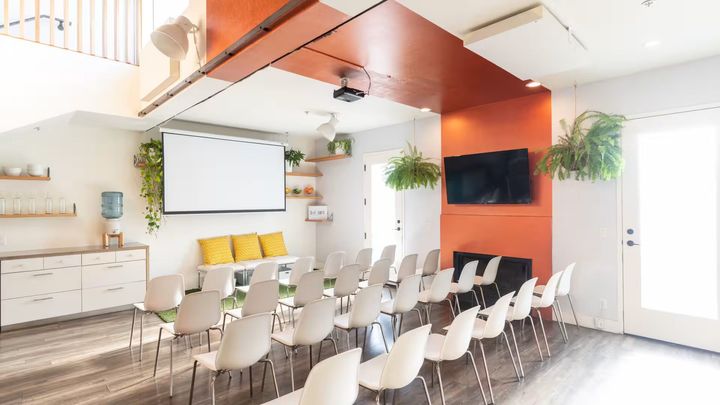
Business meeting spaces for rent and conference room rental options are now widely available in urban and suburban areas. They cater to different needs, from small group discussions to large-scale corporate events. These spaces often include essential infrastructure such as seating arrangements, presentation tools, and connectivity features.
Importance
Offsite meeting spaces play a significant role in improving how teams communicate and work together. A change in environment can help participants think differently, which is particularly useful for brainstorming sessions or problem-solving discussions. Team meeting venues also help reduce workplace distractions, allowing participants to focus on specific objectives.
These spaces are relevant for various groups, including corporate teams, startups, educational institutions, and nonprofit organizations. They address common challenges such as lack of space in offices, the need for privacy, and the desire for a professional setting when meeting clients or stakeholders.
Key reasons why organizations use professional meeting space rental include:
- Improved focus, as offsite environments minimize interruptions
- Better collaboration, since neutral settings encourage participation
- Access to infrastructure, including presentation equipment and seating layouts
- Flexibility, with options ranging from small private rooms to large conference venues for corporate events
Luxury meeting spaces for executives are also used for high-level discussions where privacy and comfort are important. These venues often provide a quiet and controlled setting that supports decision-making processes.
Recent Updates
In recent years, the use of offsite meeting venues for teams has evolved due to changes in work culture. Hybrid work models have increased demand for flexible meeting environments, as employees are not always present in a central office. This has led to a rise in coworking meeting rooms and shared business meeting spaces for rent.
Technology integration is another noticeable trend. Many conference room rental facilities now include advanced video conferencing tools, enabling both in-person and remote participants to join meetings. This supports distributed teams and global collaboration.
Sustainability has also become a consideration. Some offsite corporate meeting locations are adopting environmentally conscious practices such as energy-efficient lighting and reduced paper usage. Organizations are increasingly aware of environmental impact when selecting venues.
Another development is the diversification of venue types. In addition to traditional corporate meeting venues, options now include creative studios, outdoor settings, and flexible workspaces. This variety allows organizations to choose environments that align with the purpose of their meetings.
Laws or Policies
The use of offsite meeting spaces is influenced by general regulations related to business operations, safety, and accessibility. In countries like India, venues used for corporate gatherings must comply with local building codes, fire safety standards, and occupancy limits. These rules ensure that conference venues for corporate events provide a safe environment for participants.
Data protection is another relevant aspect, especially when meetings involve sensitive information. Organizations are expected to follow applicable data privacy laws, such as the Information Technology Act in India, when conducting discussions in professional meeting space rental environments.
Accessibility regulations may also apply, requiring venues to accommodate individuals with disabilities. This includes features such as ramps, elevators, and accessible restrooms in corporate meeting venues.
In addition, some locations may require permits for large gatherings or events. Organizations planning to use offsite meeting planning services often consider these regulatory requirements to avoid disruptions.
Tools and Resources
Planning and managing offsite meeting venues for teams often involves the use of various tools and platforms. These resources help in selecting appropriate locations, organizing schedules, and coordinating participants.
Common tools and resources include:
- Venue listing platforms, which provide information about business meeting spaces for rent and conference room rental options
- Scheduling tools, used to coordinate meeting times and participant availability
- Collaboration software, enabling document sharing and communication before and after meetings
- Budget calculators, helping organizations estimate expenses related to offsite corporate meeting locations
- Event planning templates, which outline tasks such as agenda creation, participant management, and logistics
Below is a simple comparison of different types of meeting spaces:
| Type of Space | Typical Use Case | Group Size | Features Included |
|---|---|---|---|
| Private meeting rooms for business | Client meetings, interviews | Small (2–10) | Privacy, basic presentation tools |
| Coworking meeting rooms | Team discussions, remote collaboration | Small to medium | Shared amenities, flexible booking |
| Corporate meeting venues | Workshops, training sessions | Medium to large | Structured seating, AV equipment |
| Conference venues for corporate events | Conferences, large gatherings | Large (50+) | Stage setup, advanced audio-visual systems |
| Luxury meeting spaces for executives | Executive meetings, strategy sessions | Small to medium | Premium interiors, enhanced privacy |
These resources make it easier for organizations to choose suitable team meeting venues based on their specific needs.
FAQs
What are offsite meeting spaces and how are they used?
Offsite meeting spaces are locations outside a regular office where teams gather for discussions, planning, or collaboration. They are used for activities such as workshops, training sessions, and strategy meetings.
How do corporate meeting venues differ from regular offices?
Corporate meeting venues are designed specifically for meetings and events. They often include structured seating, presentation equipment, and a professional environment that may not be available in standard office settings.
What should be considered when choosing offsite meeting venues for teams?
Important factors include location, capacity, available facilities, accessibility, and the purpose of the meeting. Organizations also consider whether the space supports collaboration and privacy.
Are coworking meeting rooms suitable for formal business discussions?
Coworking meeting rooms can be suitable for formal discussions, especially when they provide private meeting rooms for business. The suitability depends on the level of privacy and infrastructure required.
Why are conference room rental options popular for corporate events?
Conference room rental options are widely used because they provide flexible access to professional spaces without requiring permanent arrangements. They are suitable for both small meetings and larger corporate events.
Conclusion
Offsite meeting spaces provide an alternative to traditional office environments, supporting collaboration and focused discussions. They are used across various industries for activities ranging from small team meetings to large corporate events. The growing availability of different venue types reflects changing work patterns and the need for flexible meeting solutions. Understanding the features, regulations, and tools associated with these spaces can help organizations make informed decisions about their use.