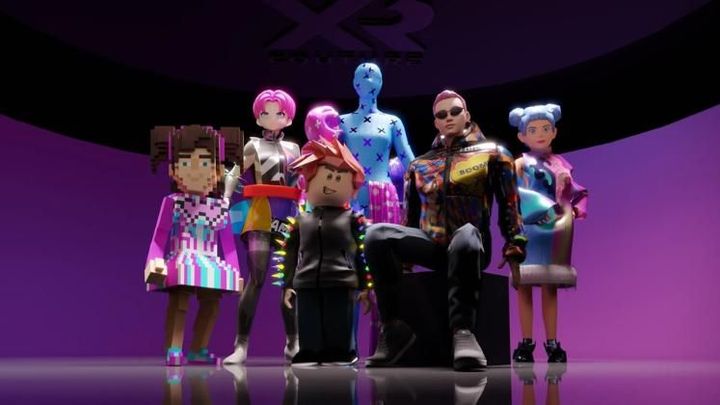
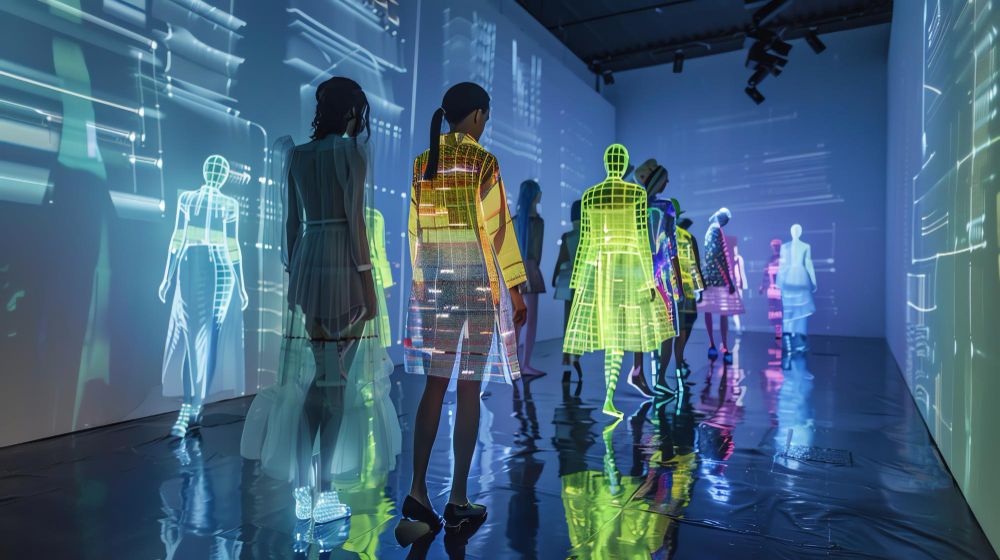
Digital fashion refers to clothing that exists entirely in virtual environments rather than the physical world. These garments are created using 3D design tools and are worn by avatars in online platforms, games, and immersive digital spaces.
It is closely connected to the concept of the metaverse, where people interact, socialize, and express identity digitally.
Common Characteristics of Digital Fashion
-
3D-designed garments for avatars
-
Virtual accessories and wearable items
-
Animated or interactive clothing
-
Integration with gaming and virtual worlds
-
Digital ownership through blockchain or platform systems
These features position digital fashion as part of a broader movement toward digital identity and self-expression.
Why Digital Fashion Matters Today
As more people spend time in online environments, visual identity in digital spaces has become increasingly important. Avatars act as personal representations, and clothing plays a key role in expressing individuality.
Key industries influenced by digital fashion:
-
Gaming – Character customization through skins and outfits
-
Entertainment – Virtual concerts and events
-
Social platforms – Avatar-based identity expression
-
Design education – Virtual prototyping and experimentation
-
Technology innovation – Development of rendering and design tools
Key benefits of digital fashion:
1. Environmental advantages
Digital garments do not require physical materials, reducing waste and resource consumption.
2. Creative freedom
Designers can experiment with elements not possible in real life, such as:
-
Floating fabrics
-
Light-based textures
-
Dynamic animations
3. Cross-platform identity
Users can maintain consistent avatar styles across different digital platforms.
4. Emerging digital economies
Virtual clothing markets involve designers, developers, and digital creators.
Digital fashion represents a shift in how fashion intersects with technology and identity.
Recent Trends and Developments
Digital fashion has evolved rapidly due to advancements in virtual environments, AI, and digital asset technologies.
Key trends include:
AI-Assisted Design
Artificial intelligence helps generate garment patterns, textures, and design variations quickly.
Interoperable Avatars
Platforms are working toward allowing avatars and clothing to move across different virtual environments.
Real-Time 3D Rendering
Improved rendering engines provide:
-
Realistic fabric movement
-
Enhanced lighting effects
-
Smooth animation
Virtual Fashion Events
Designers now showcase collections in digital environments using avatars instead of physical models.
Blockchain-Based Ownership
Digital garments can be stored and verified using blockchain systems, supporting ownership tracking.
Technology Overview
| Technology | Role | Example Use |
|---|
| 3D Modeling Software | Create garments | Avatar clothing design |
| Game Engines | Render clothing | Virtual environments |
| AI Tools | Generate patterns | Concept design |
| Blockchain | Verify ownership | Digital assets |
| AR/VR Platforms | Display clothing | Virtual try-ons |
These technologies form the foundation of modern digital fashion ecosystems.
Regulatory and Policy Considerations
Although digital fashion is still evolving, several regulatory areas influence its development.
Key considerations include:
-
Intellectual property rights for protecting designs
-
Digital asset regulations for ownership and trading
-
Consumer protection rules for transparency in digital purchases
-
Data protection laws for user information
-
Platform governance policies for content control
These frameworks aim to ensure fairness, security, and transparency in digital environments.
Tools and Resources for Digital Fashion
Designers and creators rely on specialized tools to create and manage digital garments.
3D Design Software
-
CLO 3D
-
Marvelous Designer
-
Blender
-
Autodesk Maya
Game Engines
AI-Based Tools
-
Pattern and texture generation
-
Concept design assistance
Additional Resources
-
Digital asset platforms
-
Online design courses
-
Virtual fashion communities
-
Tutorials and documentation
These tools support the full lifecycle of digital fashion creation—from concept to deployment in virtual environments.
Frequently Asked Questions
What is digital fashion?
Digital fashion refers to clothing designed for virtual environments and worn by avatars instead of physical garments.
How are digital clothes created?
They are created using 3D modeling software that simulates fabric, texture, and movement.
Can digital fashion exist outside the metaverse?
Yes. It can be used in games, augmented reality apps, and social platforms.
Why do people use digital fashion?
To express identity, customize avatars, and participate in virtual communities.
Is digital fashion environmentally friendly?
It reduces material waste compared to traditional fashion, though it still relies on digital infrastructure and energy use.
Conclusion
Digital fashion represents a growing intersection of technology, creativity, and identity in virtual environments. As people increasingly engage in online spaces, the way they present themselves digitally continues to evolve.
With advancements in 3D modeling, AI design tools, and immersive platforms, digital fashion enables new forms of expression that go beyond physical limitations. At the same time, regulatory considerations and digital frameworks are shaping how these virtual garments are created, owned, and used.
As virtual ecosystems expand, digital fashion is likely to remain an important part of how individuals express themselves in the digital world.