Biogas Production Units: An Informative Guide to Basics, Insights and Practical Knowledge
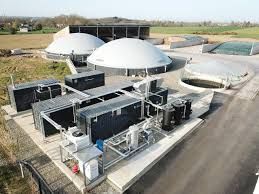
Biogas production units are systems designed to convert organic waste into usable energy through a biological process known as anaerobic digestion. In this process, microorganisms break down biodegradable materials such as food waste, animal manure, agricultural residues, and organic industrial waste in an oxygen-free environment. The result is a mixture of gases—primarily methane and carbon dioxide—commonly referred to as biogas.
Biogas is widely recognized as a renewable energy source because it is produced from organic materials that naturally regenerate. Instead of allowing waste to decompose in landfills and release methane into the atmosphere, biogas production units capture and utilize this gas for practical energy applications.
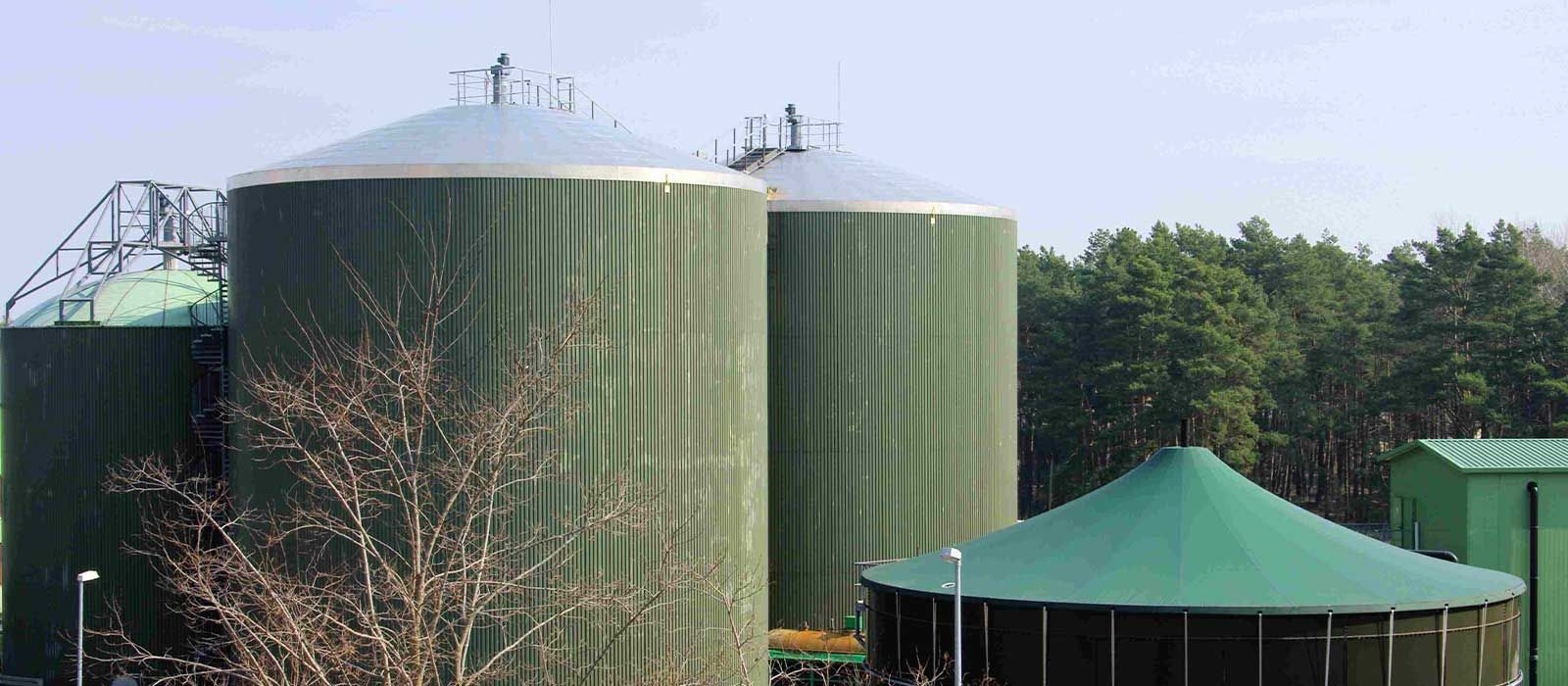
The structure of a typical biogas system generally includes:
-
Feedstock input chamber where organic waste is added
-
Digester tank where anaerobic digestion occurs
-
Gas storage chamber where the produced gas accumulates
-
Outlet for digestate, a nutrient-rich residue that can be used in soil enrichment
Biogas units exist in various scales, ranging from small household digesters to large industrial installations connected to energy infrastructure. The design often depends on the quantity and type of organic waste available.
Below is a simplified overview of how the biogas production cycle works.
| Stage | Process Description | Outcome |
|---|---|---|
| Feedstock Collection | Organic materials such as food scraps or manure are gathered | Raw biodegradable input |
| Anaerobic Digestion | Microorganisms break down waste without oxygen | Gas generation begins |
| Gas Storage | Methane-rich gas accumulates in the storage chamber | Usable energy resource |
| Digestate Output | Remaining organic slurry exits the digester | Nutrient-rich residue |
The digestate produced during the process still contains valuable nutrients such as nitrogen, phosphorus, and potassium. This makes it useful for soil enrichment and agricultural applications.
Why Biogas Production Units Matter Today
Biogas systems play a growing role in discussions about sustainable energy and waste management. As global populations increase and urbanization expands, the amount of organic waste generated by households, agriculture, and food industries continues to rise. Managing this waste responsibly has become an important environmental priority.
Biogas production units address several interconnected challenges.
Waste management
Large volumes of organic waste can contribute to environmental pollution when disposed of in landfills or open dumps. Controlled anaerobic digestion allows this waste to be processed efficiently while generating energy.
Renewable energy generation
Methane captured from organic decomposition can be used as a fuel for heating, electricity generation, or cooking. This contributes to diversified renewable energy systems.
Greenhouse gas reduction
Methane released directly into the atmosphere has a strong greenhouse effect. By capturing methane and using it as fuel, biogas systems help reduce uncontrolled emissions.
Circular resource use
The process demonstrates principles of a circular economy. Organic waste becomes a resource rather than a disposal problem, while the digestate can return nutrients to soil systems.
The benefits can be visualized in the following comparison.
| Environmental Challenge | Biogas Contribution |
|---|---|
| Organic waste accumulation | Converts waste into energy |
| Methane emissions from decomposition | Captures methane before release |
| Dependence on fossil fuels | Provides renewable energy alternative |
| Nutrient loss from organic waste | Produces digestate for soil enrichment |
Biogas production units are relevant for a wide range of stakeholders, including:
-
Agricultural communities managing livestock waste
-
Food processing industries handling organic by-products
-
Municipal waste systems processing biodegradable materials
-
Research and environmental organizations studying sustainable energy models
Recent Developments and Industry Trends
Interest in biogas systems has grown steadily due to increasing awareness of renewable energy technologies and sustainable waste management strategies. Several developments over the past year highlight this momentum.
Expansion of organic waste recycling initiatives
Many municipalities and waste management programs have introduced expanded organic waste separation systems. These initiatives aim to divert biodegradable waste from landfills and redirect it toward anaerobic digestion facilities.
Integration with renewable energy networks
Energy planners are increasingly exploring ways to integrate biogas into broader renewable energy systems. For example, methane generated through anaerobic digestion can be refined into biomethane and injected into natural gas infrastructure or used for electricity generation.
Advancements in digester technology
New research has focused on improving digestion efficiency, monitoring gas production, and optimizing microbial activity inside digesters. Sensor technologies and automated monitoring systems now allow operators to track parameters such as temperature, pH levels, and gas composition more accurately.
Growing interest in agricultural applications
Agricultural sectors have continued to explore biogas production as a method to manage livestock manure while producing renewable energy. Recent studies have highlighted improved digester designs that handle mixed feedstock materials more efficiently.
Data-driven waste-to-energy systems
Digital platforms are increasingly used to track feedstock availability, monitor gas production performance, and analyze environmental impacts. These tools support better planning and operational efficiency in anaerobic digestion facilities.
A simplified trend illustration is shown below.
| Trend Area | Description |
|---|---|
| Waste Diversion | Increasing organic waste separation programs |
| Energy Integration | Biogas linked with broader renewable energy systems |
| Smart Monitoring | Sensors and digital monitoring improving digester efficiency |
| Agricultural Systems | Greater use of manure-based digesters |
| Data Platforms | Analytical tools supporting waste-to-energy planning |
These developments suggest that biogas technology is evolving alongside broader sustainability initiatives and energy transition strategies.
Policy Frameworks and Regulatory Considerations
Biogas production units operate within environmental and energy policy frameworks that guide waste management, emissions reduction, and renewable energy development. Regulations often influence how anaerobic digestion facilities are designed, monitored, and integrated into energy systems.
Environmental guidelines typically address areas such as:
-
Waste handling standards
-
Emission monitoring requirements
-
Digestate management practices
-
Safety protocols for gas storage and processing
Policies that encourage renewable energy adoption often include support mechanisms for technologies that reduce greenhouse gas emissions or improve waste resource recovery.
Government programs and environmental strategies may also promote:
-
Organic waste diversion from landfills
-
Agricultural waste management improvements
-
Renewable gas development within energy systems
-
Research into sustainable bioenergy technologies
These policies help shape how biogas production units are developed and operated, ensuring that environmental safeguards and energy goals remain aligned.
Helpful Tools and Digital Resources
Various digital platforms, calculators, and research resources help individuals and organizations better understand biogas systems and anaerobic digestion processes.
Commonly used tools include:
Biogas yield calculators
These tools estimate potential methane production based on the type and quantity of feedstock materials.
Anaerobic digestion simulation models
Simulation platforms allow researchers to analyze digester performance and predict gas output under different conditions.
Environmental impact assessment tools
Some platforms evaluate greenhouse gas reductions and environmental benefits associated with waste-to-energy projects.
Open research databases
Academic databases provide research papers and technical studies related to anaerobic digestion technology, microbiology, and renewable gas systems.
Monitoring software platforms
Digital monitoring systems can track real-time parameters such as:
-
Digester temperature
-
Gas production rates
-
pH levels
-
Methane concentration
These tools help operators maintain stable digestion conditions and improve system performance.
Frequently Asked Questions About Biogas Production Units
What materials can be used in a biogas digester?
Biogas digesters can process many types of biodegradable materials, including animal manure, agricultural residues, food scraps, organic industrial waste, and sewage sludge. The suitability of feedstock depends on its organic composition and moisture content.
Is biogas considered renewable energy?
Yes. Biogas is classified as a renewable energy source because it is generated from organic materials that are continuously produced through natural processes such as agriculture and food consumption.
What is digestate and how is it used?
Digestate is the remaining material after anaerobic digestion. It contains nutrients that may support soil enrichment and agricultural applications when handled according to environmental guidelines.
How long does anaerobic digestion take?
The digestion process can vary depending on feedstock type, temperature conditions, and digester design. In many systems, the process may take several weeks to complete.
Can biogas be used for electricity generation?
Yes. Biogas can fuel generators that produce electricity. It may also be used for heating or refined into biomethane for energy infrastructure.
Conclusion
Biogas production units represent an important intersection between waste management, renewable energy, and environmental sustainability. By transforming organic waste into usable energy, these systems contribute to reducing methane emissions, recovering valuable resources, and supporting circular resource practices.
The technology behind anaerobic digestion has evolved over time, incorporating improved digester designs, monitoring systems, and data-driven management tools. At the same time, growing attention to sustainable energy strategies has encouraged greater exploration of biogas as part of diversified renewable energy systems.