
Building Access Control Overview: Basics, Explanation, Insights, and Essential Information Guide
Modern buildings rely on organized security systems to manage who can enter specific areas and when. Building access control refers to technologies and procedures used to regulate entry into facilities, rooms, or restricted zones. These systems are designed to enhance physical security, protect people and assets, and create structured access management across offices, residential complexes, hospitals, schools, and industrial sites.
These systems are commonly used in offices, residential complexes, educational institutions, hospitals, industrial facilities, and data centers. They help maintain safety, monitor movement, and protect physical and digital assets.
Building access control has evolved significantly from traditional mechanical locks and keys. Today, it integrates biometric authentication, cloud-based security platforms, identity verification systems, smart locks, and surveillance monitoring. These technologies create a controlled environment where access rights are granted according to roles, identity credentials, and security protocols.
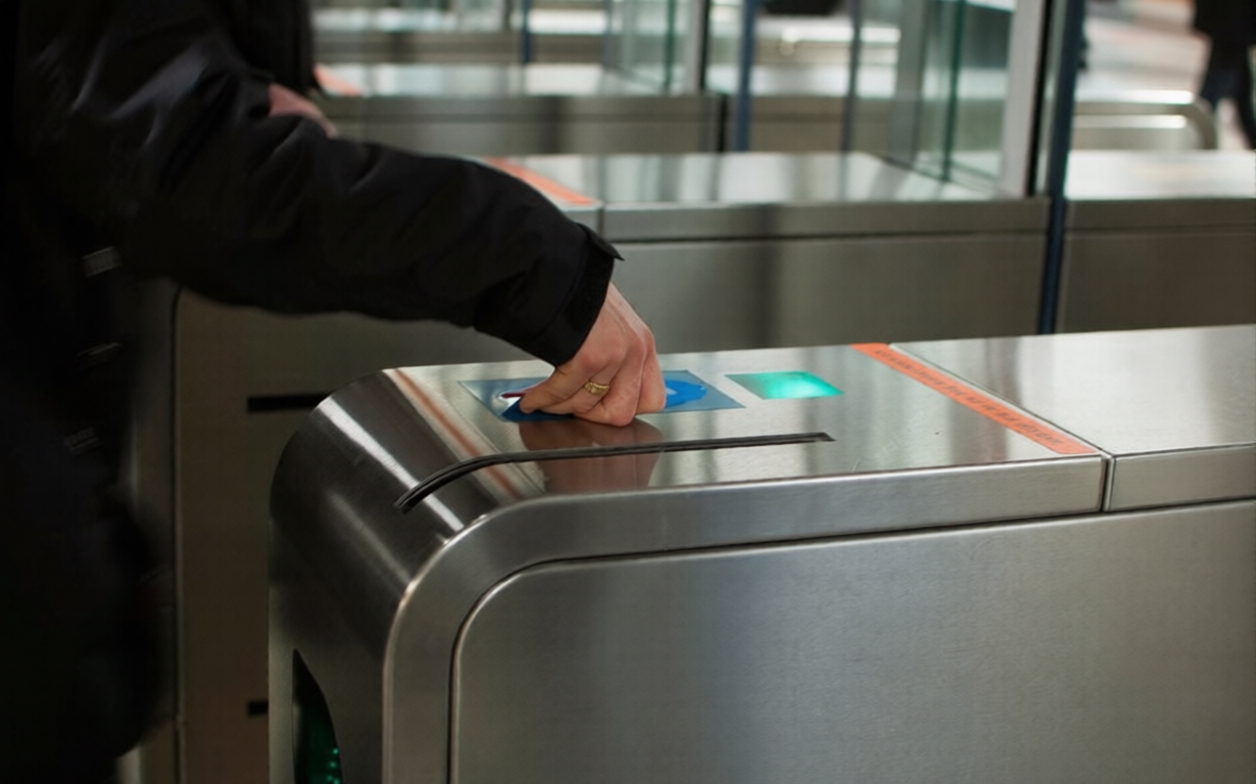
Because modern facilities often contain sensitive equipment, confidential information, and critical infrastructure, access control systems play an important role in overall building security management, cybersecurity integration, and risk mitigation strategies.
Context: What Building Access Control Is and Why It Exists
Building access control is a system designed to restrict or allow entry into a physical location using defined authorization methods. These methods verify the identity of individuals before granting access to secured areas.
Early security systems relied heavily on physical keys, which posed several limitations:
-
Keys could be duplicated or lost
-
Access could not easily be tracked
-
Security changes required replacing locks
Modern access control technologies solve these issues by using electronic authentication methods and centralized management systems.
Common authentication methods include:
-
RFID access cards
-
Mobile credential authentication
-
Biometric recognition such as fingerprints or facial recognition
-
PIN code entry systems
-
Multi-factor authentication (MFA)
These methods connect to an access control platform that records activity and manages permissions.
Access control systems typically include several components:
| Component | Function |
|---|---|
| Access Credentials | Identification method such as card, mobile ID, or biometric |
| Card Readers or Sensors | Devices that scan credentials |
| Access Control Panel | Central system that processes authentication |
| Door Locks or Electronic Strikes | Physical mechanism controlling entry |
| Management Software | Interface used to manage permissions and monitor activity |
In many buildings, access control also integrates with video surveillance systems, alarm systems, and building automation platforms.
Importance: Why Building Access Control Matters
Building access control systems address several important security and operational challenges.
Without controlled access, organizations face risks such as unauthorized entry, data theft, equipment damage, and safety incidents. Access control systems help reduce these risks by monitoring entry points and ensuring only authorized individuals gain access.
Several groups benefit from access control systems:
-
Facility managers who oversee building operations
-
IT administrators responsible for digital security infrastructure
-
Security teams monitoring physical safety
-
Employees and residents who require secure environments
-
Organizations handling sensitive data or equipment
Key benefits include:
• Identity authentication and user verification
• Entry activity tracking and security logs
• Integration with cybersecurity infrastructure
• Reduced reliance on physical keys
• Remote monitoring through cloud security management platforms
Another important advantage is scalable security architecture. As buildings expand or change occupants, access permissions can be adjusted quickly through software systems.
The following table highlights common types of access control models used in buildings.
| Access Control Model | Description |
|---|---|
| Discretionary Access Control (DAC) | Access permissions set by administrators or owners |
| Mandatory Access Control (MAC) | Access governed by strict security classification rules |
| Role-Based Access Control (RBAC) | Access assigned according to job role or responsibility |
| Attribute-Based Access Control (ABAC) | Access based on multiple contextual attributes |
These models allow organizations to design flexible security frameworks suited to their operational needs.
Recent Updates: Trends and Developments
The field of building access control has experienced rapid technological advancement due to the integration of smart building technologies, artificial intelligence, and cloud-based security platforms.
One of the most significant trends has been the shift toward mobile access credentials. Instead of physical access cards, users authenticate through smartphone-based digital identity systems.
Recent developments include:
• Cloud-based access control platforms that allow remote monitoring
• AI-powered video analytics integrated with entry control systems
• Biometric authentication improvements including contactless recognition
• IoT-enabled smart building infrastructure connecting security devices
• Zero-trust security architecture applied to physical access systems
Organizations have also increased adoption of multi-factor authentication for building entry, combining methods such as biometric verification and mobile credentials.
The following chart illustrates the growing use of authentication technologies in modern buildings.
| Authentication Method | Adoption Trend |
|---|---|
| Physical Key Systems | Decreasing |
| RFID Access Cards | Stable |
| Mobile Credentials | Increasing |
| Biometric Authentication | Increasing |
| Multi-Factor Access Systems | Rapid Growth |
Another notable trend is the convergence of physical security and cybersecurity systems. Access control platforms are increasingly integrated with network security tools to create unified security environments.
Laws or Policies Affecting Access Control Systems
Access control systems operate within a framework of safety regulations, data protection standards, and building security guidelines. These policies ensure that systems protect individuals while maintaining privacy and compliance with legal standards.
Several regulatory areas influence access control systems:
Data Protection Regulations
Biometric authentication systems collect sensitive identity information. Regulations governing personal data protection often require secure storage, encryption, and responsible use of biometric data.
Workplace Safety Standards
Many workplace safety regulations encourage controlled access to hazardous areas, restricted facilities, or secure equipment zones.
Critical Infrastructure Protection
Facilities such as power plants, transportation hubs, and data centers often require strict access monitoring to protect critical infrastructure systems.
Privacy and Surveillance Guidelines
When access control systems integrate with video monitoring, privacy policies may regulate data storage duration and authorized usage.
Organizations implementing access control systems typically conduct security audits, compliance reviews, and risk assessments to ensure alignment with relevant regulations.
Tools and Resources for Building Access Control Management
Various tools and platforms support the implementation and management of building access control systems. These resources help administrators monitor access activity, manage permissions, and maintain system performance.
Common categories of tools include:
Access Management Software
-
Centralized access control dashboards
-
Identity authentication management platforms
-
Permission and role configuration tools
Security Monitoring Platforms
-
Video surveillance integration systems
-
Event monitoring dashboards
-
Security analytics tools
Mobile Credential Systems
-
Smartphone-based digital identity apps
-
Secure mobile authentication frameworks
Security Assessment Resources
-
Facility risk assessment templates
-
Access control audit checklists
-
Security compliance documentation guides
Technical Documentation Resources
-
Building security architecture frameworks
-
Physical security standards documentation
-
Identity and access management (IAM) guides
The table below highlights examples of typical system components used in access control infrastructure.
| Tool Type | Purpose |
|---|---|
| Access Control Management Software | Configure permissions and monitor entry logs |
| Biometric Authentication Devices | Verify identity through fingerprints or facial recognition |
| Smart Card Readers | Scan RFID or NFC access credentials |
| Cloud Security Platforms | Enable remote system monitoring |
| Security Analytics Tools | Analyze entry patterns and anomalies |
These resources help organizations maintain secure and organized building access environments.
Frequently Asked Questions
What is the difference between access control and security systems?
Access control is a component of a broader building security system. It specifically manages entry permissions and identity authentication. Security systems may also include surveillance cameras, alarms, intrusion detection, and emergency response technologies.
How does biometric authentication work in access control?
Biometric systems use unique physical characteristics such as fingerprints, facial features, or iris patterns to verify identity. When a person attempts entry, the system compares the scanned biometric data with stored records before granting or denying access.
What is role-based access control?
Role-Based Access Control (RBAC) assigns permissions according to a person's role within an organization. For example, employees, administrators, and security staff may each have different levels of access to building areas.
Can building access control integrate with cybersecurity systems?
Yes. Many modern systems integrate physical security with identity and access management (IAM) platforms, cybersecurity monitoring tools, and network authentication systems. This integration improves overall security oversight.
Why are mobile credentials becoming popular?
Mobile credentials allow users to authenticate using their smartphones instead of physical cards. This approach reduces the need for physical badges, supports contactless access, and enables remote credential management.
Conclusion
Building access control systems are an essential part of modern security infrastructure. By combining identity authentication technologies, digital access management, and smart building integration, these systems help protect facilities, assets, and occupants.
Advances in biometric authentication, cloud security platforms, and mobile access credentials are transforming how buildings manage entry and monitor activity. As organizations adopt more connected technologies, access control systems continue to evolve alongside cybersecurity frameworks and smart infrastructure.