Cold Chain Transport: A Simple Guide to Temperature-Controlled Logistics
Cold chain transport keeps temperature-sensitive products within controlled conditions during storage and movement, helping protect quality, safety, and shelf life.
Cold chain transport is the movement of temperature-sensitive products through a controlled temperature environment. It is commonly used for food, agricultural products, pharmaceuticals, vaccines, biological materials, and other goods that can deteriorate when exposed to unsuitable temperatures.
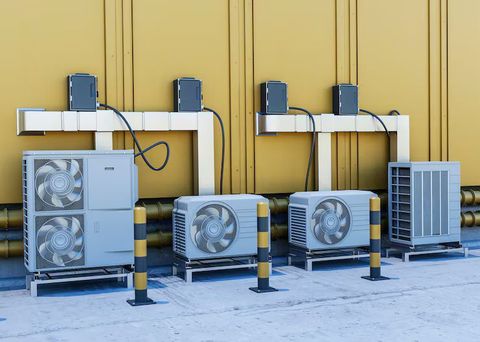
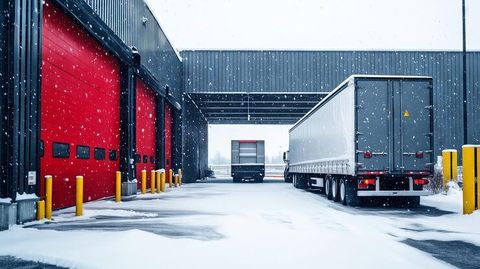
The system can include refrigerated trucks, insulated containers, temperature monitoring devices, cold storage facilities, and specialized packaging. The objective is to maintain the required temperature from the point of origin to the destination.
A typical cold chain may involve several stages:
- Pre-cooling after harvesting or production
- Refrigerated storage
- Temperature-controlled transportation
- Distribution and handling
- Final delivery and storage
Temperature control is important because exposure to excessive heat, freezing conditions, or repeated temperature changes can affect product quality.
Why Cold Chain Logistics Matters
Modern supply chains increasingly depend on reliable temperature-controlled logistics. Fresh food can lose quality quickly, while certain pharmaceutical products may require carefully controlled conditions throughout transportation.
Cold chain transport can help address problems such as spoilage, contamination risks, shortened shelf life, and product degradation.
| Product Category | Typical Cold Chain Requirement |
|---|---|
| Fresh produce | Controlled refrigeration |
| Frozen foods | Sub-zero temperature management |
| Dairy products | Chilled transportation |
| Vaccines | Strict temperature monitoring |
| Biological materials | Product-specific controlled conditions |
For businesses and consumers, effective cold chain management can contribute to better product integrity and reduced waste. It is particularly relevant in large countries where products may travel long distances between production areas, warehouses, distribution centers, and retail locations.
Recent Cold Chain Developments in India
India's cold chain infrastructure has continued to receive policy attention. The Ministry of Food Processing Industries reported 408 approved cold chain projects as of March 31, 2026, showing continued development of temperature-controlled infrastructure.
In May 2025, revised operational guidelines were issued for the Integrated Cold Chain and Value Addition Infrastructure component of the Pradhan Mantri Kisan Sampada Yojana (PMKSY).
Developments continued during 2026. In July 2026, the ministry published a corrigendum to the cold chain operational guidelines and an announcement concerning registration of certain cold storage facilities with the Warehousing Development and Regulatory Authority (WDRA).
In May 2026, the government also invited proposals relating to multiproduct food irradiation units under the Cold Chain scheme. The submission timeline was subsequently extended to September 30, 2026.
These developments indicate continued policy attention toward food preservation, cold storage, logistics infrastructure, and value addition.
Laws and Policies Affecting Cold Chain Transport
In India, cold chain operations can be affected by food-safety requirements, pharmaceutical regulations, transportation rules, storage standards, and government infrastructure programs.
For food products, applicable requirements may include food safety, hygiene, handling, storage, labeling, and temperature-control provisions.
Pharmaceutical and vaccine transportation can involve additional requirements related to controlled temperatures, documentation, monitoring, and product integrity.
Government programs also influence cold chain infrastructure. The PMKSY Integrated Cold Chain and Value Addition Infrastructure scheme is one important policy framework supporting development of cold-chain infrastructure.
Specific requirements can vary according to the product, facility, transportation method, and applicable authority.
Tools and Resources for Cold Chain Management
Several practical tools can help organizations understand and monitor temperature-controlled logistics.
Useful resources include:
- Digital temperature data loggers
- GPS-enabled shipment monitoring systems
- Temperature mapping templates
- Refrigeration monitoring dashboards
- Cold room temperature records
- Route planning tools
- Product-specific temperature charts
- Preventive maintenance checklists
- Warehouse inspection templates
- Regulatory compliance checklists
A simple temperature log can record the shipment identification, date, location, measured temperature, acceptable range, and corrective action when a deviation occurs.
Frequently Asked Questions
What is cold chain transport?
Cold chain transport is the controlled movement of temperature-sensitive products using appropriate refrigeration, insulation, monitoring, and handling procedures.
Which products require cold chain transportation?
Common examples include fresh food, frozen products, dairy products, pharmaceuticals, vaccines, biological materials, and certain chemicals. The required conditions depend on the individual product.
Why is temperature monitoring important?
Monitoring helps identify temperature deviations during transportation. Records can also help organizations investigate whether products remained within their required conditions.
What happens if the cold chain is interrupted?
An interruption can expose products to unsuitable temperatures. Depending on the product, this may reduce quality, shorten shelf life, or affect product integrity.
Is cold chain transportation regulated in India?
Yes. Requirements can apply through food-safety rules, pharmaceutical regulations, storage standards, transportation requirements, and government schemes. The exact rules depend on the product and activity.
Conclusion
Cold chain transport is an important part of modern logistics because many products cannot maintain their intended quality without controlled environmental conditions. Refrigerated transportation, cold storage, monitoring technology, appropriate packaging, and careful handling work together to protect temperature-sensitive goods.
India continues to develop its cold chain infrastructure through government programs and updated policy frameworks. For organizations involved in temperature-sensitive logistics, understanding product requirements, monitoring procedures, documentation, and applicable regulations remains important.
Disclaimer: This article is for general educational purposes and does not constitute legal, regulatory, technical, pharmaceutical, or food-safety advice. Requirements may change, so applicable authorities and current regulations should be checked before making compliance decisions.