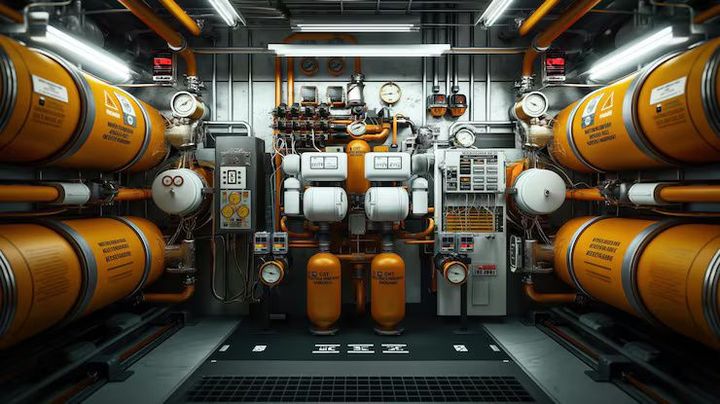
Industrial Gas Monitoring: Safety, Systems and Key Insights
Industrial gas monitoring helps detect hazardous, combustible, and oxygen-deficient atmospheres before they become serious workplace risks. Modern systems combine sensors, alarms, data logging, and automated responses for safer industrial environments.
Industrial gas monitoring is the continuous or periodic measurement of gases in workplaces, production areas, storage zones, laboratories, utility rooms, and other industrial environments. Its main purpose is to identify hazardous gas concentrations early and provide information that supports appropriate safety decisions.
Different industries may encounter gases such as methane, carbon monoxide, hydrogen sulfide, ammonia, chlorine, hydrogen, volatile organic compounds, and oxygen. Some gases can be toxic, while others can create fire, explosion, or oxygen-deficiency risks.
A typical industrial gas detection system can include:
- Fixed gas detectors
- Portable gas monitors
- Electrochemical, infrared, catalytic, or semiconductor sensors
- Audible and visual alarms
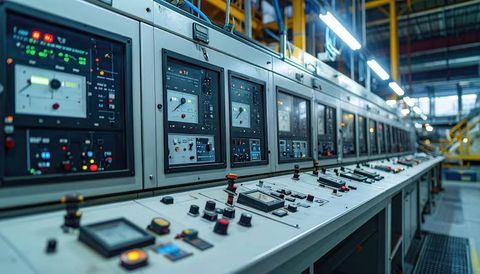
- Central monitoring panels
- Data logging and reporting systems
- Ventilation or emergency shutdown interfaces
The selection of equipment depends on the gas, environment, expected concentration range, temperature, humidity, and required detection method.
Why Does Gas Monitoring Matter?
Industrial facilities can experience gas leaks from pipelines, cylinders, tanks, process equipment, valves, or connections. Some gases are difficult to detect without dedicated instruments because they may have weak odors or no reliable warning characteristics.
Gas monitoring helps organizations identify abnormal conditions earlier and improve emergency preparedness. It is particularly relevant to chemical plants, refineries, laboratories, manufacturing facilities, wastewater facilities, food-processing environments, energy installations, and enclosed industrial areas.
The main objectives include:
- Detecting toxic gas exposure
- Identifying combustible gas accumulation
- Monitoring oxygen-deficient environments
- Supporting emergency alarms
- Improving ventilation decisions
- Creating records for safety analysis
- Supporting hazardous-area risk assessments
| Monitoring concern | Typical examples | Main purpose |
|---|---|---|
| Toxic gases | CO, H₂S, NH₃ | Exposure awareness |
| Combustible gases | Methane, hydrogen | Fire and explosion prevention |
| Oxygen | O₂ | Detect deficiency or enrichment |
| VOCs | Solvents and hydrocarbons | Environmental and workplace awareness |
Recent Developments in Gas Monitoring
Technology has increasingly moved toward connected sensors, centralized dashboards, wireless communication, and automated alarm management. These approaches can make it easier to review trends rather than relying only on individual readings.
In May 2025, India introduced IS 17984 (Part 2):2025 for industrial furnaces and associated processing equipment covering combustion and fuel-handling systems. The standard specifically addresses hazardous-fluid accumulation and indicates that risk assessment should determine whether gas detectors are needed.
BIS also continued updating workplace-air standards. In February 2026, an amendment to IS 15209:2002 concerning short-term nitrogen-dioxide measurement using detector tubes was established, showing continued attention to workplace gas measurement methods.
Another important direction is integration. Modern systems may connect gas detectors with alarms, ventilation, process controls, and emergency shutdown arrangements. This can help industrial facilities respond more quickly when abnormal readings occur.
Indian Laws, Standards and Policies
In India, gas monitoring can be influenced by occupational safety, environmental protection, hazardous-chemical, and industrial safety requirements.
The Manufacture, Storage and Import of Hazardous Chemical Rules, 1989 apply to specified hazardous chemical activities. The Ministry of Environment, Forest and Climate Change continues to list these rules within its regulatory framework.
CPCB guidance for industries and isolated storage facilities recommends suitable gas sensors and alarm systems at locations where hazardous gas leakage is suspected. It also describes possible integration with emergency ventilation and process-interruption measures.
The Occupational Safety, Health and Working Conditions Code, 2020 also addresses dangerous operations and hazardous processes, including requirements concerning safety measures, information about hazards, and emergency planning.
BIS maintains Indian Standards relevant to gas detection and explosive atmospheres, including standards covering detector performance and the selection, installation, use, and maintenance of gas detectors.
Useful Tools and Resources
Organizations planning a gas monitoring program can use:
- Gas detection selection checklists
- Hazard identification worksheets
- Sensor-location assessment templates
- Calibration and inspection logs
- Workplace exposure-limit tables
- Emergency response plans
- Gas concentration trend charts
- Detector maintenance schedules
- Risk assessment templates
- Indian Standards databases
A practical assessment should consider the gases present, possible leak points, airflow, room geometry, alarm levels, sensor positioning, maintenance requirements, and emergency procedures.
Frequently Asked Questions
What gases are commonly monitored?
Common targets include oxygen, carbon monoxide, hydrogen sulfide, methane, ammonia, chlorine, hydrogen, and VOCs. The correct selection depends on the industrial process and identified hazards.
What is a fixed gas detector?
A fixed detector remains installed at a selected location and continuously monitors the surrounding atmosphere. It can communicate readings or alarms to a central monitoring system.
What is a portable gas monitor?
A portable monitor is carried by personnel and can measure selected gases while they move through different areas or perform specific industrial activities.
How often should gas detectors be checked?
Inspection and calibration intervals depend on the detector technology, manufacturer instructions, operating environment, applicable standards, and risk assessment. Records should be maintained consistently.
Can gas monitoring prevent every industrial accident?
No. Monitoring is one part of a broader safety system. Proper ventilation, equipment maintenance, emergency planning, worker training, process controls, and hazard assessments are also important.
Conclusion
Industrial gas monitoring provides an important layer of protection in environments where toxic, combustible, or oxygen-related hazards may occur. Modern systems increasingly combine accurate sensors, alarms, digital records, and automated controls. In India, organizations should consider applicable hazardous-chemical rules, occupational safety requirements, environmental guidance, and relevant Indian Standards when developing monitoring practices. A risk-based approach helps ensure that the right gases, locations, detection methods, and response procedures are considered.
Disclaimer: This article provides general educational information and should not be treated as a substitute for applicable legislation, technical standards, professional risk assessment, or site-specific safety procedures. Requirements can vary according to industry, location, process, and hazardous materials involved.