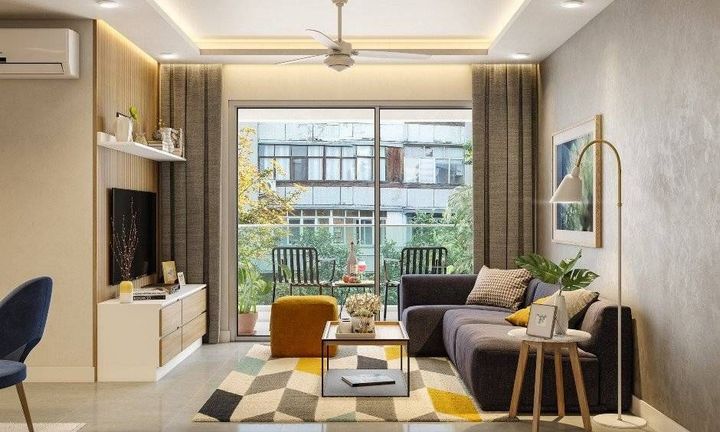
This guide outlines the fundamentals of renting a 2BHK apartment — what it is, why people choose it, and how the process works.
Importance
Renting a 2BHK matters because:
-
Affordability and flexibility: For many individuals or families, buying a home may not be possible or desirable. Renting a 2BHK offers a cost-effective way to have sufficient space without full ownership responsibilities.
-
Lifestyle fit: Two bedrooms provide separate spaces for children, guests, a home office, or roommates. The extra room often gives more comfort compared to a 1 BHK or studio.
-
Mobility and work/life changes: In cities where people move for jobs, education or other reasons, renting provides flexibility. A significant number of tenants move closer to their workplace for convenience.
-
Market realities: With home prices and rent rising in many areas, renting a 2BHK is a practical choice for many households. Some 2BHK rents in high-demand corridors have risen by up to 80 % from 2021 to 2025.
-
Problem-solving: Renting solves issues like commitment to a location, lower maintenance responsibility, and fewer upfront costs besides deposit and advance rent. It also meets the need for more space without the burden of property taxes, major repairs, or long-term financing.
Recent Updates
Here are some of the key recent trends (2024-25) affecting 2 BHK rentals in India:
-
Rising rents in high-growth corridors: Certain metro areas such as Bengaluru and Hyderabad saw up to 81 % rent increases between 2021 and 2025.
-
Moderation in overall rental inflation: In early 2025, major metropolitan areas reported rental inflation between 7-9 %, slower than previous years.
-
Use of online portals increasing: More tenants now rely on digital platforms to find rental homes, reducing dependence on brokers.
-
Greater focus on amenities and location: Tenants increasingly value properties near workplaces, public transport, and lifestyle amenities.
-
Shrinking supply in some areas: Redevelopment projects and population shifts have reduced available rental stock in central localities, driving rents up.
Laws or Policies
When renting a 2BHK apartment in India, several legal and regulatory frameworks are relevant:
-
Model Tenancy Act, 2019 (MTA): This central model law aims to standardize rental practices across India. It introduces features such as a Rent Authority, limits on security deposits, and conditions for rent increases.
-
Security deposit rules: For residential properties, a landlord cannot demand more than two months’ rent as a security deposit under the Model Tenancy Act. Tenants are entitled to access basic utilities, and rent cannot be raised during an existing tenancy term unless mutually agreed.
-
State-wise implementation: The MTA serves as a model; each state adopts or modifies it independently. Tenants and landlords should review their respective state tenancy laws.
-
Tenancy agreement and registration: A written tenancy agreement is essential. It must specify the rent amount, duration, maintenance responsibilities, notice period, and termination clauses. Some states require registration of the tenancy agreement.
-
Maintenance and repairs: Agreements should clearly define who handles day-to-day maintenance, repairs, and utility payments.
-
Older rent control laws: Some states continue to operate under older rent control acts that restrict eviction or rent hikes. Always check whether your property is governed by such legislation.
-
Tax implications: While primarily affecting landlords, tenants should understand any extra charges such as maintenance or common area fees and ensure clarity in the agreement.
Tools and Resources
To assist in renting a 2 BHK apartment, the following tools and resources are useful:
-
Online rental portals: Use property platforms to explore verified listings, virtual tours, and neighborhood data.
-
Rental market reports: Annual and quarterly reports provide information on rent trends, growth rates, and preferred residential zones.
-
Budget calculators: Apps and spreadsheet templates can help calculate affordable rent levels—typically, housing expenses should not exceed 30 % of monthly income.
-
Tenancy agreement templates: Many state housing departments or property websites provide standard templates to ensure key terms are included.
-
Inspection checklists: Before moving in, assess the apartment’s condition—walls, plumbing, lighting, appliances, and access to essential services.
-
Local tenant forums: Joining community or tenant associations helps in understanding rights, dispute procedures, and local rental norms.
-
Legal support resources: When in doubt, consult local housing authorities or legal aid centers specializing in tenancy laws.
Frequently Asked Questions
Q1: What typical size or layout should I expect in a 2BHK apartment?
A: A 2BHK generally includes two bedrooms, a hall (living or dining area), a kitchen, and one or two bathrooms. In Indian cities, built-up area usually ranges from 900 sq ft to 1400 sq ft, depending on location and building type.
Q2: How much should I budget for rent and deposit for a 2BHK?
A: Rent varies widely by city, neighborhood, and amenities. On average, 2BHK apartments in tier-1 cities can range between ₹15,000 to ₹40,000 per month. Under the Model Tenancy Act, landlords can charge a maximum of two months’ rent as a deposit, though practices may differ locally.
Q3: What factors should I check before signing the tenancy agreement?
A: Before signing, verify:
-
Ownership proof and landlord identity
-
Apartment condition (walls, plumbing, electricity)
-
Agreement terms (rent, deposit, duration, maintenance, notice)
-
Amenities and facilities (parking, lift, water, power backup)
-
Society rules and maintenance charges
-
Previous utility bills and outstanding dues
Q4: What happens when the tenancy period ends?
A: When the tenancy expires, the tenant either renews the agreement or vacates after giving the required notice (usually 30 days). The deposit is refunded after inspection, minus any deductions for damage beyond normal wear and tear. Rent revisions are typically negotiated during renewal.
Q5: Can I sub-let the 2BHK if needed?
A: Sub-letting is allowed only if the tenancy agreement and local laws permit it. Most agreements require written consent from the landlord before sub-letting any part of the property.
Conclusion
Renting a 2BHK apartment remains a practical and flexible housing solution for many urban residents. With the steady rise in rental demand and evolving lifestyle patterns, the 2BHK format continues to offer an ideal balance of comfort, affordability, and convenience. By understanding market trends, being informed about rental laws, and using modern tools to manage your search and budget, tenants can make confident, well-planned decisions. An informed approach ensures a smoother rental experience and helps maintain a healthy landlord-tenant relationship.