Smart Factory Automation: Complete Guide for Modern Manufacturing
Smart factory automation refers to the use of advanced technologies such as industrial robotics, artificial intelligence, industrial IoT systems, and data analytics to automate and optimize manufacturing processes. In traditional manufacturing environments, machines and production lines often operated independently and required manual monitoring. Smart factories, however, connect machines, sensors, and software platforms into a unified digital ecosystem.
Within a smart factory environment, equipment can communicate with other systems, share operational data, and automatically adjust production parameters. This integration allows manufacturing facilities to monitor performance, analyze data in real time, and improve production efficiency without constant human intervention.
Modern automated production systems often include:
-
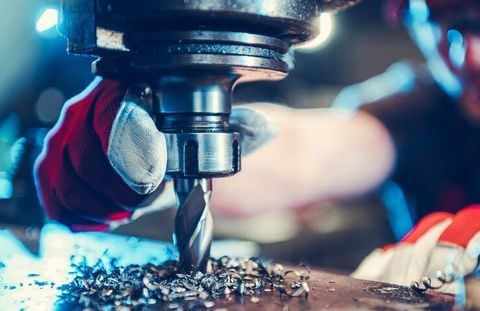
Industrial robotics for repetitive manufacturing tasks
-
Industrial IoT sensors that collect operational data
-
AI-powered manufacturing software that analyzes performance
-
Cloud-based manufacturing platforms for remote monitoring
-
Predictive maintenance systems that detect potential equipment failures
These technologies form the foundation of Industry 4.0, a term commonly used to describe the digital transformation of manufacturing.
Smart factories did not appear overnight. They evolved gradually as computing power, machine learning, and connectivity technologies improved. Earlier forms of industrial automation relied on programmable logic controllers (PLCs) and fixed automation equipment. Today’s smart factory automation platforms go further by combining connectivity, intelligence, and real-time decision-making.
In essence, a smart factory is a manufacturing environment where machines, production systems, and digital platforms work together through connected data networks to enhance operational visibility and efficiency.
Why Smart Factory Automation Matters in Modern Industry
Manufacturing industries around the world are experiencing significant transformation due to digital technologies. Smart factory automation has become important because modern production environments face increasing complexity, global competition, and higher expectations for quality and efficiency.
Industrial automation systems help manufacturers manage these challenges by improving consistency and reducing operational variability.
Several key factors explain why smart factory automation is gaining attention today.
Operational efficiency
Automated manufacturing systems allow machines to perform repetitive tasks with high precision. This helps maintain consistent product quality and reduces production errors.
Real-time production monitoring
Industrial IoT devices collect operational data from machines, sensors, and production lines. Manufacturers can analyze this data to understand equipment performance, detect inefficiencies, and monitor production metrics.
Predictive maintenance capabilities
AI-driven predictive maintenance systems analyze equipment data to identify patterns that indicate potential mechanical issues. This approach helps manufacturers schedule maintenance activities before major equipment failures occur.
Data-driven manufacturing decisions
Industrial data analytics platforms allow production managers to interpret large datasets generated by smart factory systems. These insights can support better planning, production scheduling, and resource allocation.
Workplace safety improvements
Automated manufacturing robots can perform tasks that involve high temperatures, hazardous materials, or repetitive motion, reducing certain risks associated with manual labor.
The industries most affected by smart factory automation include:
-
Automotive manufacturing
-
Electronics and semiconductor production
-
Pharmaceutical manufacturing
-
Food processing and packaging
-
Aerospace component manufacturing
These sectors often operate complex production lines where automation technologies can improve operational transparency and reliability.
Recent Developments in Smart Factory Technology
Over the past year, several developments have accelerated the adoption of smart factory automation and digital manufacturing technologies.
One notable trend during 2024–2025has been the increasing integration of artificial intelligence into industrial automation platforms. AI models are now used to optimize production schedules, monitor energy consumption, and improve quality control processes.
Another development involves the expansion of edge computing in manufacturing environments. Edge computing allows industrial devices to process data locally instead of relying entirely on centralized cloud systems. This reduces latency and enables faster responses to operational changes on production lines.
Manufacturing companies have also increased investments in digital twin technology. A digital twin is a virtual representation of a physical manufacturing system. Engineers can use these models to simulate production scenarios and analyze equipment performance before implementing changes on the actual production floor.
The following table summarizes several recent trends in smart factory automation.
| Technology Trend | Description | Impact on Manufacturing |
|---|---|---|
| AI Manufacturing Systems | Machine learning models analyze production data | Improved operational insights |
| Industrial IoT Expansion | Sensors collect real-time machine data | Better monitoring and diagnostics |
| Digital Twin Simulation | Virtual models of production systems | Enhanced planning and testing |
| Edge Computing | Local processing of industrial data | Faster automation responses |
| Advanced Robotics | Collaborative robots assisting production lines | Improved productivity |
Another trend observed in 2025is the adoption of collaborative robots (cobots). Unlike traditional industrial robots that operate inside isolated safety zones, cobots are designed to work alongside human operators while maintaining safety protocols.
These developments reflect a broader shift toward more connected and intelligent manufacturing environments.
Regulatory and Policy Considerations for Automated Manufacturing
Smart factory automation is influenced by various industrial regulations, standards, and government initiatives designed to support digital manufacturing innovation.
In many countries, industrial automation policies are part of broader economic strategies that encourage technology adoption and industrial modernization.
For example, several governments support digital manufacturing initiatives through national programs such as:
-
Industry 4.0 initiativesthat promote smart manufacturing research
-
Industrial innovation funding programs
-
Workforce training initiatives for advanced manufacturing technologies
Regulatory frameworks also address safety, data management, and cybersecurity concerns related to connected manufacturing systems.
Common areas of regulation include:
Industrial safety standards
Manufacturing automation systems must follow safety standards that govern machine operation, robotics integration, and workplace protection. International standards such as ISO industrial safety guidelines provide frameworks for safe machine operation.
Data security and industrial cybersecurity
Smart factories rely heavily on connected networks and industrial IoT devices. Governments and regulatory organizations often require cybersecurity protocols to protect industrial control systems from digital threats.
Environmental compliance
Automated production systems must comply with environmental regulations that address emissions, energy usage, and waste management in manufacturing facilities.
Digital manufacturing policy initiatives
Some governments actively support smart factory development through funding programs, research partnerships, and technology adoption strategies aimed at strengthening national manufacturing sectors.
These policies aim to ensure that advanced manufacturing technologies are implemented safely, responsibly, and securely.
Tools and Resources Used in Smart Factory Automation
Modern smart factories rely on a wide range of digital tools and industrial software platforms to manage automated production systems.
The following resources are commonly used in smart manufacturing environments.
Industrial IoT platforms
These platforms connect sensors, machines, and devices across a manufacturing facility. They collect operational data that can be analyzed to improve production performance.
Examples of capabilities include:
-
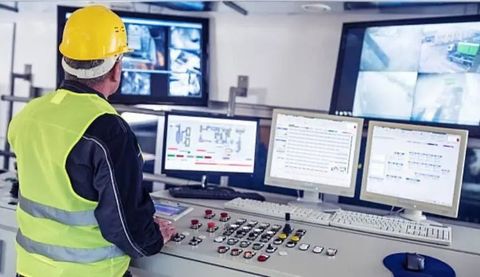
Machine monitoring dashboards
-
Equipment performance analytics
-
Industrial data visualization tools
Manufacturing execution systems (MES)
MES software manages production operations on the factory floor. It connects enterprise planning systems with production equipment and tracks manufacturing processes in real time.
Predictive maintenance platforms
Predictive maintenance tools analyze equipment performance data to identify early warning signs of mechanical issues.
Typical features include:
-
Machine health monitoring
-
Automated maintenance alerts
-
Historical equipment performance analysis
Digital twin simulation tools
These tools create virtual models of manufacturing systems. Engineers use them to simulate production scenarios, test new configurations, and optimize factory layouts.
Industrial robotics programming platforms
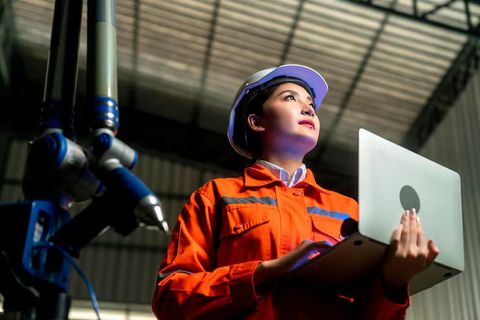
These platforms allow engineers to configure robotic automation processes used in assembly, packaging, and inspection tasks.
Below is a simplified diagram representing a smart factory automation data flow.
Industrial Machines → IoT Sensors → Data Platform → AI Analytics
        ↓                   ↓            ↓
   Production Data → Monitoring System → Predictive Insights
Such integrated systems help manufacturing organizations monitor operations and analyze large datasets generated by automated equipment.
Common Questions About Smart Factory Automation
What is the difference between traditional automation and smart factory automation?
Traditional automation focuses on machines performing predefined tasks using fixed programming. Smart factory automation integrates connected sensors, AI systems, and data analytics that allow machines to adapt to changing production conditions.
How does industrial IoT support manufacturing automation?
Industrial IoT devices collect data from machines and production lines. This information helps monitor performance, detect anomalies, and support data-driven decision-making within manufacturing operations.
What role does artificial intelligence play in modern manufacturing?
AI manufacturing systems analyze operational data to identify patterns, optimize production schedules, and support predictive maintenance strategies.
Are smart factories fully autonomous?
Most smart factories still involve human oversight. Automation technologies assist with data analysis, monitoring, and repetitive tasks, while engineers and operators manage complex decisions and system supervision.
Which industries use smart factory automation the most?
Industries with complex manufacturing processes often adopt smart factory technologies. These include automotive manufacturing, electronics production, pharmaceuticals, aerospace components, and advanced materials manufacturing.
Conclusion
Smart factory automation represents a significant shift in how manufacturing environments operate. By integrating industrial IoT devices, AI-powered analytics, robotics, and digital monitoring platforms, manufacturers can create connected production systems that provide greater visibility into operational performance.
Modern automated production systems help manufacturers analyze large volumes of industrial data, improve equipment monitoring, and optimize manufacturing processes. As technologies such as edge computing, digital twins, and collaborative robotics continue to evolve, smart factory environments are likely to become more advanced and interconnected.