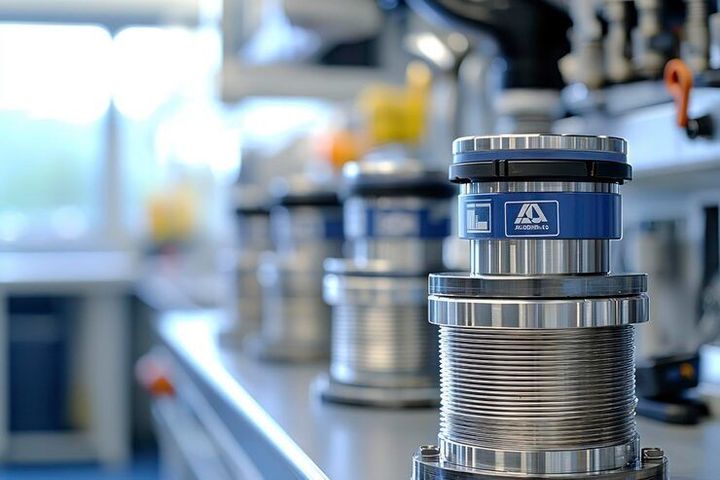
Discover Stainless Steel Grades for Industrial Equipment
Stainless steel is one of the most widely used materials in industrial equipment due to its durability, corrosion resistance, and versatility. It is not a single material but a group of iron-based alloys that contain chromium, which forms a protective layer against rust and environmental damage. Over time, different stainless steel grades have been developed to meet specific industrial needs such as high-temperature resistance, chemical exposure, and mechanical strength.
Industries such as manufacturing, chemical processing, food production, oil and gas, and construction rely heavily on stainless steel components. These include tanks, pipelines, valves, heat exchangers, and structural parts. Each application requires a particular grade of stainless steel to ensure performance, safety, and longevity.
Understanding stainless steel grades helps engineers, technicians, and decision-makers choose the right material for industrial applications. It also supports better maintenance planning, improved efficiency, and reduced risk of equipment failure.
Importance
Stainless steel grades matter because different industrial environments demand different material properties. For example, equipment used in chemical plants must resist corrosion from acids, while machinery in high-temperature environments must maintain strength under heat.
The correct selection of stainless steel grades affects:
Durability and lifespan
Using the right grade reduces wear and corrosion, increasing equipment life.
Safety and compliance
Industries such as food processing and pharmaceuticals require specific grades to meet hygiene and safety standards.
Operational efficiency
Proper material selection reduces downtime caused by corrosion or mechanical failure.
Cost control over time
While initial material selection is important, long-term performance plays a larger role in reducing maintenance and replacement frequency.
The following table provides a simplified overview of commonly used stainless steel grades in industrial equipment:
| Grade | Type | Key Properties | Common Industrial Uses |
|---|---|---|---|
| 304 | Austenitic | Corrosion resistant, easy to form | Food equipment, storage tanks |
| 316 | Austenitic | مقاresistant to chemicals and salt | Marine, chemical processing |
| 410 | Martensitic | High strength, moderate corrosion resistance | Valves, pumps |
| 430 | Ferritic | Good corrosion resistance, lower cost | Automotive parts, appliances |
| Duplex | Mixed | High strength and corrosion resistance | Oil and gas pipelines |
These grades are selected based on environmental conditions, mechanical requirements, and industry standards.
Recent Updates
In the past year, several trends and developments have influenced the use of stainless steel in industrial equipment.
Increased demand for corrosion-resistant alloys (2025)
Industries such as renewable energy and offshore engineering have increased the use of duplex and super duplex stainless steels. These materials provide enhanced strength and resistance in harsh environments, particularly in wind farms and marine infrastructure.
Focus on sustainability and recycling (2024–2025)
Stainless steel is now being highlighted as a sustainable material due to its recyclability. Many manufacturers are incorporating higher recycled content into stainless steel production, aligning with environmental regulations and carbon reduction goals.
Advancements in surface finishing technologies (2025)
Improved surface treatments are being used to enhance corrosion resistance and hygiene. This is especially important in industries such as food processing and pharmaceuticals where cleanability is essential.
Digital material selection tools (2025)
Modern engineering software now includes advanced databases for stainless steel grades, helping professionals select materials based on simulation and real-world conditions.
These updates show how stainless steel continues to evolve with industrial demands and environmental considerations.
Laws or Policies
The use of stainless steel in industrial equipment is influenced by various regulations and standards. These rules ensure safety, quality, and environmental compliance.
Industrial material standards
Organizations such as ASTM and ISO define specifications for stainless steel grades, including chemical composition and mechanical properties. These standards help ensure consistency across industries.
Food and pharmaceutical regulations
In industries involving hygiene, such as food processing and pharmaceuticals, stainless steel grades like 304 and 316 must meet strict sanitation requirements. These regulations ensure materials do not contaminate products.
Environmental and sustainability policies
Governments are encouraging the use of recyclable and durable materials. Stainless steel aligns well with these policies due to its long lifespan and recyclability.
Pressure equipment and safety codes
Equipment such as boilers, pressure vessels, and pipelines must comply with safety codes that specify approved materials, including certain stainless steel grades.
Compliance with these policies ensures that industrial equipment operates safely and meets legal requirements.
Tools and Resources
Various tools and resources help professionals understand and select stainless steel grades for industrial equipment.
Material selection software
Engineering software allows users to compare stainless steel grades based on properties such as strength, corrosion resistance, and temperature tolerance.
Corrosion resistance charts
These charts provide visual comparisons of how different grades perform in specific environments, such as exposure to chemicals or saltwater.
Industrial standards manuals
Technical manuals from standard organizations provide detailed specifications for each grade, including composition and testing methods.
Calculation tools
Online calculators help estimate factors such as thermal expansion, load capacity, and stress resistance for different stainless steel grades.
Maintenance planning templates
Templates assist in scheduling inspections and replacements based on material performance and environmental conditions.
These tools support better decision-making and improve the reliability of industrial systems.
FAQs
What is the most commonly used stainless steel grade in industry?
Grade 304 is the most commonly used stainless steel due to its balance of corrosion resistance, strength, and versatility. It is widely used in food processing, storage tanks, and general industrial equipment.
How is stainless steel different from regular steel?
Stainless steel contains chromium, which forms a protective layer that prevents rust. Regular steel lacks this feature and is more prone to corrosion.
Why is grade 316 preferred in marine environments?
Grade 316 contains molybdenum, which enhances resistance to saltwater and chemical corrosion, making it suitable for marine and chemical applications.
What factors should be considered when selecting a stainless steel grade?
Important factors include environmental conditions, temperature, exposure to chemicals, mechanical stress, and compliance with industry standards.
Are stainless steel grades recyclable?
Yes, stainless steel is highly recyclable and can be reused without losing its properties, making it an environmentally sustainable material.
Conclusion
Stainless steel grades play a critical role in the performance and reliability of industrial equipment. Each grade offers unique properties that make it suitable for specific applications, from corrosion resistance in chemical plants to strength in high-pressure systems.
Understanding these differences helps industries make informed decisions, improve safety, and extend equipment lifespan. With ongoing advancements in materials, sustainability efforts, and digital tools, stainless steel continues to remain a key component in modern industrial development.
By selecting the appropriate grade and following relevant standards and policies, industries can achieve efficient, durable, and compliant operations across various sectors.