Essential Oil Distillation Units Overview: Key Features and Benefits Explained
Essential oil distillation units are specialized systems designed to extract aromatic compounds from plants such as flowers, leaves, seeds, and roots.
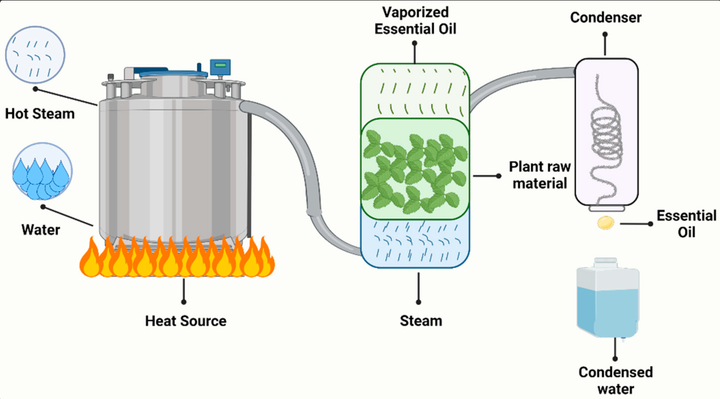
These systems play a central role in producing essential oils used in personal care, food flavoring, and traditional wellness practices. The process most commonly used is steam distillation, where heat and steam help release volatile oils from plant materials.
Over time, essential oil distillation equipment has evolved from simple handcrafted setups to more structured and efficient systems. Today, an essential oil extraction machine may include multiple components such as boilers, condensers, and separators working together in a controlled environment. These systems are used at different scales, from small essential oil processing units for startups to larger industrial essential oil extractor setups.
Understanding how these units function helps explain their role in transforming raw plant materials into concentrated oils while maintaining their natural properties.
Importance
The relevance of essential oil distillation systems has grown alongside increased interest in plant-based products. These systems support the production of oils used in cosmetics, food products, aromatherapy, and household applications. For many communities, distillation units for herbal oil production also contribute to local economies by enabling the use of regionally available plants.
Essential oil manufacturing equipment helps address several practical challenges. It allows consistent extraction, reduces material waste, and supports controlled processing conditions. Without structured distillation machinery, extracting oils manually would be less efficient and harder to standardize.
Different users benefit from these systems in various ways. Small-scale producers may rely on compact essential oil processing units for startups, while larger operations depend on advanced essential oil distillation plants to handle higher volumes. In both cases, the goal remains the same: to obtain plant oils in a reliable and repeatable manner.
Recent Updates
Shift Toward Energy Efficiency
Recent developments in essential oil distillation machinery focus on reducing energy consumption. Modern steam distillation units for essential oils often include insulated chambers and optimized heat distribution systems. These features help minimize energy loss during the distillation process.
Integration of Automation
Automation is becoming more common in essential oil processing units. Digital controls allow operators to monitor temperature, pressure, and processing time more accurately. This improves consistency and reduces the likelihood of human error during extraction.
Compact and Modular Designs
Another noticeable trend is the availability of modular essential oil distillation units. These systems can be expanded or adjusted based on production needs. This is particularly useful for small businesses or research facilities working with aromatic plant oil extraction machines.
Focus on Sustainability
Sustainability has also influenced the design of herbal oil distillation equipment. Some systems now incorporate water recycling and waste management features. These changes help reduce environmental impact while maintaining production efficiency.
Laws or Policies
Manufacturing and Safety Standards
Essential oil distillation plants must follow general manufacturing and safety regulations. In India, these include guidelines related to pressure vessels, heat systems, and workplace safety. Boilers and steam-based systems are typically subject to inspection under industrial safety laws.
Environmental Regulations
Environmental rules influence how essential oil processing units operate. Wastewater disposal, emissions, and energy use are monitored under environmental protection frameworks. Operators are expected to manage plant residues and by-products responsibly.
Quality and Labeling Guidelines
For products derived from essential oil distillation equipment, quality standards may apply depending on their intended use. For example:
- Cosmetic applications may follow guidelines set by regulatory authorities for safe formulation.
- Food-related uses must comply with food safety regulations.
- Exported oils may need to meet international standards for purity and labeling.
Agricultural and Plant Use Policies
Since many essential oil extraction machines rely on plant materials, agricultural policies can also play a role. These policies may affect sourcing, cultivation, and transportation of raw materials used in distillation units for herbal oil production.
Tools and Resources
Several tools and resources can help individuals and organizations understand or operate essential oil distillation systems more effectively.
Digital Monitoring Tools
Modern essential oil distillation machinery may include digital panels or software for tracking:
- Temperature levels during steam distillation
- Pressure within the distillation chamber
- Duration of the extraction process
These tools help maintain consistency and improve operational control.
Design and Planning Software
Some platforms provide design templates for setting up an essential oil distillation plant. These resources can help visualize layouts, estimate capacity, and plan workflows for different scales of operation.
Educational Platforms
Online learning platforms and technical guides explain how essential oil extraction machines work. These resources often include diagrams, case studies, and process explanations suitable for beginners.
Industry Standards Documentation
Documents outlining safety and quality standards are useful for understanding compliance requirements. These may include guidelines for handling equipment, maintaining hygiene, and ensuring product consistency.
Basic Comparison of Distillation Units
| Feature | Small-Scale Units | Industrial Units |
|---|---|---|
| Capacity | Low to moderate | High volume processing |
| Automation Level | Manual or semi-automatic | Fully automated systems |
| Space Requirement | Compact | Larger facility needed |
| Energy Consumption | Lower overall usage | Higher but optimized efficiency |
| Use Case | Startups, research, small farms | Large-scale production facilities |
This table highlights how different essential oil distillation systems vary based on their intended use and scale.
FAQs
What are essential oil distillation units and how do they work?
Essential oil distillation units are systems used to extract oils from plant materials. They typically use steam to release volatile compounds, which are then condensed and separated into oil and water.
What is the difference between an essential oil extraction machine and a steam distillation unit for essential oils?
An essential oil extraction machine is a broader term that includes various extraction methods. A steam distillation unit for essential oils specifically refers to equipment that uses steam as the primary extraction technique.
Can essential oil processing units for startups handle multiple types of plants?
Yes, many essential oil processing units for startups are designed to handle different plant materials. However, adjustments in temperature, pressure, and processing time may be needed depending on the plant type.
What factors affect the efficiency of essential oil distillation machinery?
Efficiency depends on several factors, including the quality of raw materials, temperature control, pressure levels, and the design of the distillation system. Proper maintenance also plays an important role.
Are aromatic plant oil extraction machines suitable for large-scale production?
Some aromatic plant oil extraction machines are designed for industrial use and can process large quantities of plant material. These systems are often part of a larger essential oil distillation plant with automated controls.
Conclusion
Essential oil distillation units are an important part of transforming plant materials into concentrated oils used across various industries. From small-scale setups to industrial systems, these units support consistent and controlled extraction processes. Advances in energy efficiency, automation, and modular design continue to shape how essential oil distillation equipment is developed and used. Understanding their function, structure, and regulatory context helps provide a clearer view of their role in modern production systems.