Explore Autoclaves for Rubber: Basics, Overview, and Key Information
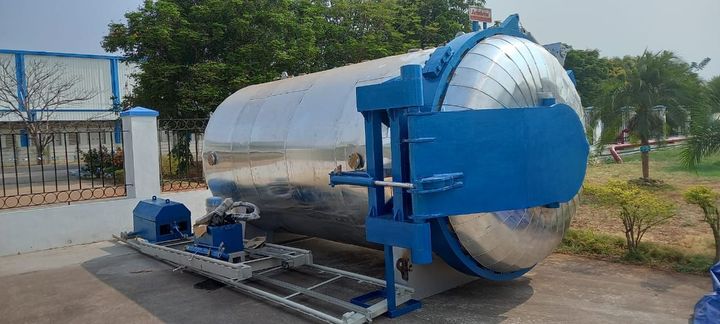
Autoclaves for rubber are industrial pressure vessels designed to apply controlled heat and pressure during rubber processing. Their primary role is to support rubber curing, vulcanization, bonding, and stabilization processes. Rubber materials often require uniform temperature and pressure to achieve consistent physical and chemical properties, and autoclaves provide a controlled environment for this purpose.
The concept exists because rubber, both natural and synthetic, reacts predictably to heat and pressure. Without controlled processing, rubber products may develop weak bonding, uneven strength, or premature degradation. Autoclaves help address these challenges by maintaining stable internal conditions throughout the processing cycle.
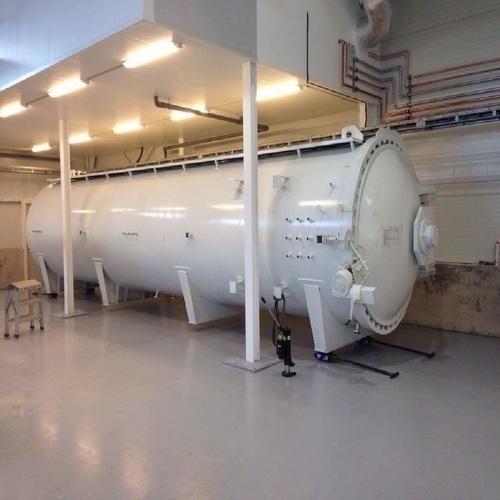
These systems are commonly used in manufacturing environments where rubber components must meet technical performance standards. Examples include hoses, seals, industrial belts, molded parts, and composite rubber assemblies.
Importance: Why Autoclaves for Rubber Matter Today
Autoclaves for rubber remain important due to increasing quality expectations and material complexity. Modern rubber products are often designed for demanding environments, including high pressure, temperature variation, and long-term mechanical stress.
This topic affects multiple stakeholders, including manufacturers, engineers, quality inspectors, and material researchers. Autoclaves help solve several ongoing challenges, such as:
-
Ensuring uniform rubber vulcanization
-
Improving bonding between rubber and reinforcement materials
-
Reducing internal defects and air pockets
-
Enhancing durability and performance consistency
-
Supporting standardized processing conditions
As rubber formulations evolve, precise processing becomes more critical. Autoclaves allow manufacturers to manage variables like temperature ramp rates, pressure levels, and cycle duration with greater accuracy.
Recent Updates: Trends and Developments in Rubber Autoclave Technology
In recent periods, industrial processing systems have seen gradual improvements focused on efficiency, monitoring, and material compatibility. Autoclaves for rubber are increasingly integrated with digital controls that allow better data tracking and process repeatability.
Key developments include:
-
Advanced temperature and pressure monitoring sensors
-
Automated cycle control for consistent rubber curing
-
Improved insulation materials to enhance energy efficiency
-
Enhanced safety interlocks and pressure relief mechanisms
-
Compatibility with newer synthetic rubber compounds
There is also growing attention on process optimization, where data collected from autoclave cycles is analyzed to reduce variability and material waste. These trends reflect broader industrial movement toward controlled and traceable manufacturing environments.
Laws or Policies: Regulatory Influence on Rubber Autoclave Use
Autoclaves used in rubber processing are generally influenced by industrial safety standards and pressure vessel guidelines. These rules exist to ensure safe operation, reliable performance, and protection of personnel and equipment.
Regulatory considerations typically address:
-
Pressure vessel design and structural integrity
-
Operational safety procedures and inspections
-
Temperature and pressure control accuracy
-
Documentation and traceability of processing cycles
-
Workplace safety compliance
While regulations vary by region, the underlying goal remains consistent: ensuring that autoclaves operate within defined safety and engineering parameters. Compliance supports both operational reliability and long-term equipment performance.
Tools and Resources: Helpful Support for Understanding Autoclaves for Rubber
Several tools and resources can assist individuals and organizations in learning about autoclaves for rubber and related processes. These resources focus on education, calculation, and technical reference rather than commercial promotion.
Useful resources include:
-
Rubber vulcanization process charts
-
Temperature and pressure calculation worksheets
-
Technical manuals for pressure vessel operation
-
Material compatibility reference guides
-
Industry-standard safety documentation templates
Below is a simplified table showing common processing variables monitored in rubber autoclaves:
| Parameter | Typical Role in Rubber Processing |
|---|---|
| Temperature | Activates vulcanization reactions |
| Pressure | Ensures uniform material density |
| Time | Controls curing completeness |
| Heating Rate | Prevents material stress |
| Cooling Rate | Maintains structural stability |
These tools support better understanding and consistent application of rubber processing principles.
Visual Overview: Rubber Autoclave Process Flow
| Stage | Description |
|---|---|
| Loading | Rubber components placed in vessel |
| Heating | Temperature raised gradually |
| Pressurization | Pressure applied uniformly |
| Holding Phase | Conditions maintained for curing |
| Cooling | Controlled temperature reduction |
| Unloading | Finished rubber components removed |
This structured flow helps reduce processing variability and supports predictable material outcomes.
FAQs: Common Questions About Autoclaves for Rubber
What is the main purpose of an autoclave in rubber processing?
The main purpose is to provide controlled heat and pressure to support rubber curing, bonding, and material stabilization.
How does an autoclave differ from open heating methods?
Autoclaves allow precise control of pressure and temperature, which helps achieve uniform results that open heating methods may not provide.
Are autoclaves used for all types of rubber?
Autoclaves can be used for many natural and synthetic rubber compounds, depending on formulation and processing requirements.
What factors affect rubber quality inside an autoclave?
Temperature consistency, pressure stability, cycle duration, and material placement all influence final rubber properties.
Is monitoring important during autoclave operation?
Yes, monitoring helps ensure processing conditions remain within defined limits and supports consistent material outcomes.
Conclusion: Key Takeaways on Autoclaves for Rubber
Autoclaves for rubber play a critical role in controlled material processing by providing stable heat and pressure environments. They exist to support predictable rubber behavior during curing and bonding, helping manufacturers meet performance and quality expectations.
Their importance continues due to evolving rubber formulations, increased demand for consistency, and the need for safer, more controlled processing systems. Ongoing improvements in monitoring and control further enhance their relevance in modern manufacturing environments.
Understanding the basics, regulatory considerations, and available resources helps build clear knowledge of how autoclaves contribute to reliable rubber processing outcomes.