Night Vision Technology Guide: Key Insights, Basics & Helpful Details
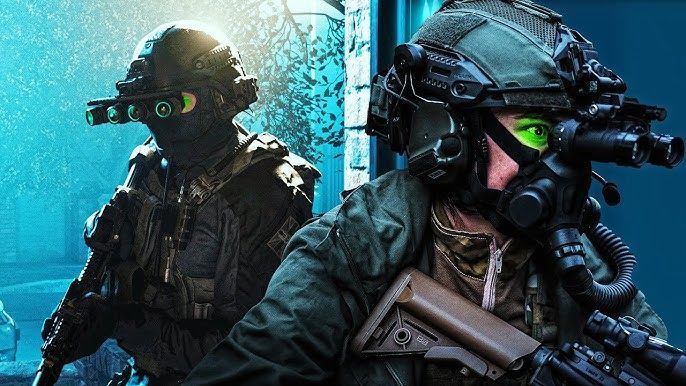
Night vision technology refers to a set of optical and digital methods that allow humans to see in low-light or complete darkness. It exists to enhance visibility where natural light is limited, depending on infrared detection, thermal imaging, image intensification, and advanced digital sensors. These technologies expand visual range at night, making it possible to observe, navigate, or record images that are otherwise invisible to the human eye.
Night vision emerged from early military research in the mid-20th century, evolving from large, bulky infrared illumination devices to compact digital night vision systems. Today, the technology extends far beyond defence applications. It is used in environmental monitoring, wildlife observation, nighttime navigation, security monitoring, and scientific exploration. The continuous rise of digital imaging, artificial intelligence, and infrared sensor innovation has significantly improved image clarity and reliability in low-light environments.
Why Night Vision Technology Matters
Night vision plays an important role in many fields where visibility and accuracy are essential. It matters today because modern work, exploration, and monitoring often extend into nighttime hours, requiring dependable visual information in dark conditions. With increasing use of high-resolution imaging, thermal sensors, and infrared cameras, night vision supports public safety, research, and monitoring activities.
Industries and groups that benefit include:
-
Wildlife researchers and environmental scientists
-
Security professionals relying on night monitoring
-
Disaster-response teams working during low-visibility hours
-
Aviation and maritime operators responsible for nighttime navigation
-
Outdoor explorers and nighttime photographers
-
Transportation and logistics sectors that rely on round-the-clock movement
The technology addresses problems such as poor nighttime visibility, limited human eye capability in darkness, and the need for real-time detection of obstacles, heat signatures, or moving objects. High-CPC informational keywords such as infrared imaging, thermal vision, low-light technology, digital night vision systems, and advanced imaging sensors often appear in discussions about modern nighttime visibility solutions.
Recent Developments and Trends
Night vision has evolved rapidly in the past year due to progress in sensor miniaturization, machine learning, and enhanced low-light imaging. Several updates between 2024 and 2025 have shaped the field.
Advances in thermal imaging (2024–2025):
Modern thermal sensors now provide higher frame rates and sharper temperature-based contours. Improvements in microbolometer technology have enabled clearer thermal signatures at longer distances, making thermal vision more accurate.
AI-enhanced night vision (2024):
Artificial intelligence became more widely integrated into night vision devices during 2024, allowing real-time image enhancement. Noise reduction algorithms, object outlining, motion detection, and edge sharpening significantly improved image clarity in extremely dark environments.
Growth of low-light digital cameras (2024):
The introduction of ultra-sensitive CMOS sensors has replaced older optical systems in many civilian applications. These sensors amplify available light using advanced signal processing, allowing clearer nighttime images without relying solely on infrared illumination.
Rise of dual-mode cameras (2025):
By early 2025, several manufacturers shifted toward dual-mode thermal-and-infrared solutions, offering combined visibility options in a single system. Dual-mode capability supports high-precision monitoring, especially in environmental and security applications.
Nighttime navigation tools for drones (2024–2025):
Drone navigation systems began integrating thermal and near-infrared sensors, allowing safe flight in darkness. This supports industries such as agriculture monitoring, search-and-rescue, and remote infrastructure inspection.
These developments highlight a broader trend: night vision technology is moving toward higher efficiency, lower power consumption, improved digital processing, and stronger integration with AI-based detection systems.
Regulations, Policies, and Government Oversight
Night vision technology is regulated in many countries because it relates to safety, privacy, and responsible use of advanced imaging equipment. Policies vary by region, and regulations ensure that infrared imaging, thermal detection, and optical enhancement tools are used ethically and appropriately.
Typical regulatory considerations include:
Import and export guidelines:
Some countries classify high-performance night vision and thermal imaging devices under controlled items. Export controls exist to prevent unauthorized international transfer of sensitive imaging technologies.
Privacy and data protection:
Local privacy laws may limit the use of nighttime cameras in public or residential areas. Thermal imaging and infrared surveillance must comply with rules that safeguard personal privacy, especially when images are recorded.
Wildlife and environmental policies:
In some regions, regulations guide the use of night vision during wildlife observation to prevent disturbance to nocturnal species. This includes guidelines on illumination levels and the safe use of infrared beams.
Aviation and maritime standards:
Nighttime navigation tools must comply with aviation and maritime safety regulations. Infrared-based guidance systems are often required to meet technical standards defined by transportation authorities.
Law enforcement protocols:
Governments may provide guidelines for law enforcement use of thermal vision and low-light imaging. Policies ensure that the technology is used responsibly during nighttime operations.
These regulations demonstrate that night vision technology is closely connected to public safety, ethical data handling, and environmental protection.
Tools, Resources, and Useful Platforms
Several tools and resources help users better understand or work with night vision technology. These options include educational platforms, technical information sources, and general-use tools.
Online technical resources
-
Educational websites explaining infrared imaging principles
-
Technology portals focused on thermal vision research
-
Online databases of advanced imaging sensors
Apps and digital tools
-
Low-light photography apps with noise reduction features
-
Thermal vision simulation apps that explain heat mapping
-
Mobile tools offering night-sky visibility assistance
Learning platforms and guides
-
Tutorials covering digital night vision systems
-
Beginner guides on low-light technology basics
-
Technical glossaries explaining infrared wavelengths
Data and analysis platforms
-
Infrared spectrum calculators
-
Temperature-mapping visualization tools
-
Open-source image-processing frameworks for night imagery
Documentation and templates
-
Specification sheets for infrared lenses
-
Tables comparing image-intensifier generations
-
Checklists for nighttime environmental monitoring
Below is a simple reference table that compares major night vision types:
| Technology Type | Light Requirement | Key Feature | Common Usage Areas |
|---|---|---|---|
| Image Intensification | Low light needed | Amplifies available light | Navigation, observation |
| Infrared Illumination | No visible light | Uses active IR beams | Security monitoring |
| Thermal Imaging | None | Detects heat signatures | Wildlife studies, search operations |
| Digital Low-Light Sensors | Minimal light | Uses CMOS and digital enhancement | Photography, general monitoring |
These tools and resources help learners explore the field and understand how night vision works across different applications.
Frequently Asked Questions
What is the main difference between thermal imaging and traditional night vision?
Traditional night vision amplifies available visible light or infrared light, while thermal imaging detects heat emitted by objects. Thermal vision does not depend on any ambient light.
Can night vision be used in complete darkness?
Yes. Thermal imaging and active infrared illumination allow visibility in total darkness. Image intensification requires some level of existing light, but thermal and IR-based tools do not.
Is infrared light visible to humans?
No. Infrared light falls outside the visible spectrum, so humans cannot see it directly. Night vision devices convert IR signals into visible images.
Does weather affect night vision?
Fog, heavy rain, and smoke can reduce clarity in infrared and low-light systems. Thermal imaging is generally less affected but may still lose detail in extreme conditions.
How long has night vision technology been used?
The first practical night vision systems were developed during the 1930s and 1940s. Modern digital and thermal technologies emerged in the late 20th century and continue to advance rapidly.
Conclusion
Night vision technology is an essential development that enables humans to see in conditions where natural visibility is limited. It supports navigation, research, environmental safety, monitoring, and nighttime exploration. Recent advancements in AI-enhanced imaging, high-resolution thermal sensors, and digital low-light imaging have improved clarity and reliability. Regulations ensure that night vision is used responsibly, particularly where privacy, safety, and environmental protection are concerned.
Today, night vision continues to evolve, offering clearer imaging, more efficient sensors, and wider accessibility for scientific and environmental applications. Understanding its principles and tools helps individuals and organizations use it effectively and ethically.