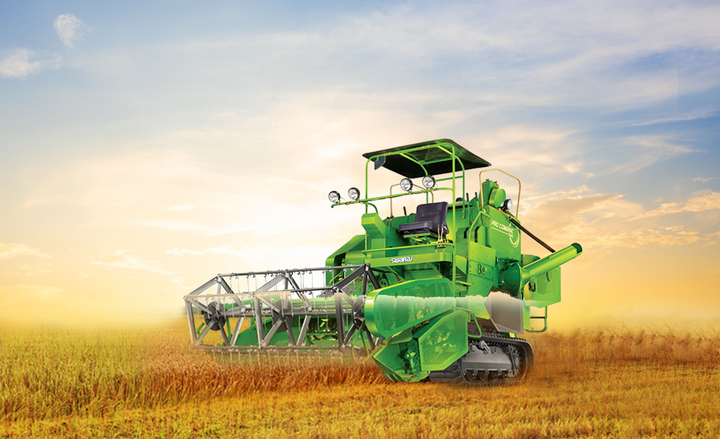
Explore Combine Harvester Manufacturing: An Overview, Basics, and Key Information
Combine harvester manufacturing refers to the industrial process of designing, engineering, assembling, and testing machines that harvest crops efficiently. A combine harvester performs multiple agricultural operations in one continuous workflow, including reaping, threshing, and separating grain from straw. The idea behind this technology is to reduce manual effort and time while improving consistency and output during harvesting.
Historically, harvesting required several separate tools and large labor groups. Manufacturing combine harvesters emerged to address these limitations by integrating multiple functions into a single machine. Over time, manufacturers refined materials, mechanical systems, and control mechanisms to handle different crop types and field conditions. Today, the manufacturing process blends mechanical engineering, electronics, and precision fabrication to meet modern agricultural demands.
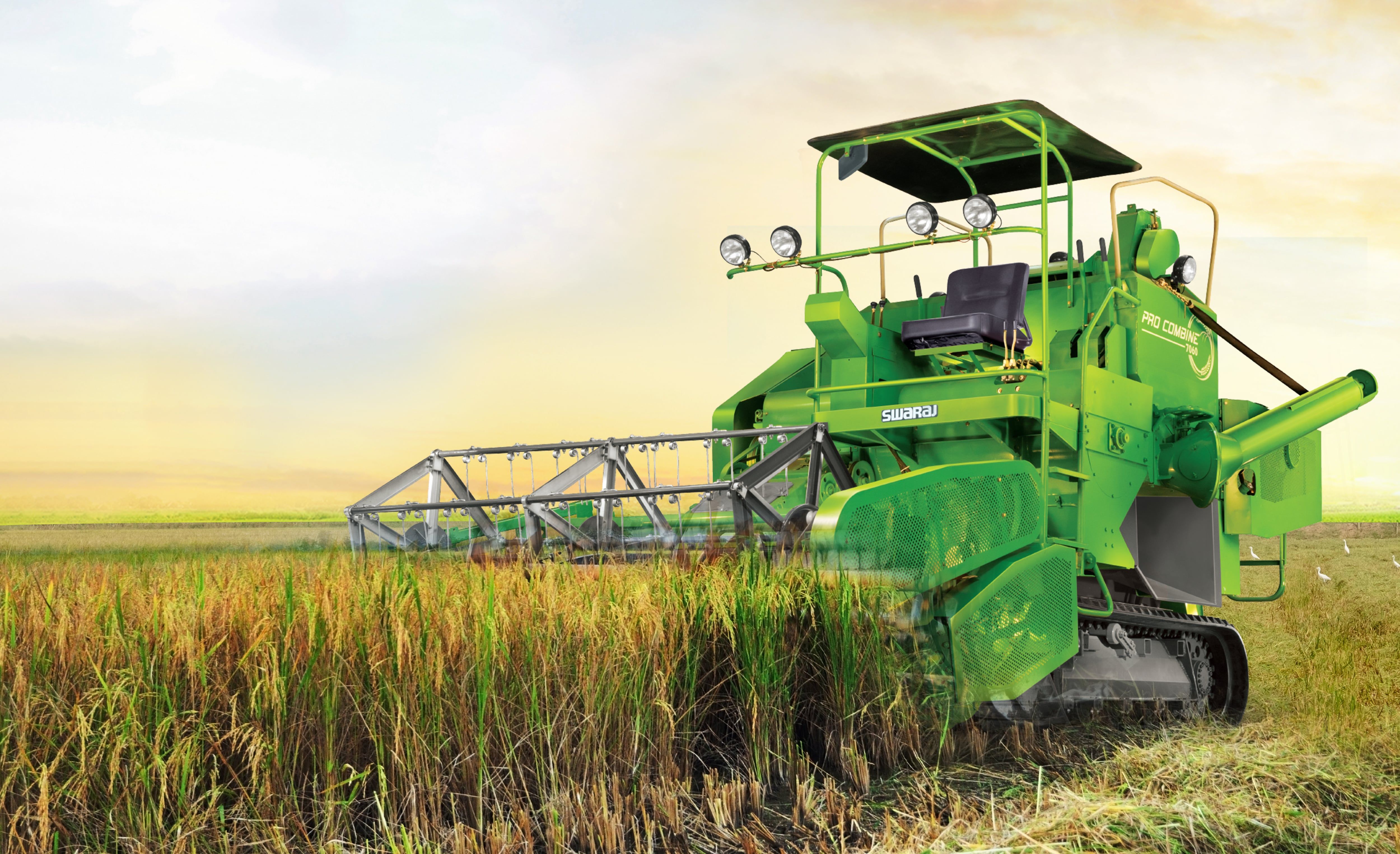
From raw steel components to finished machines, the manufacturing lifecycle reflects the growing need for reliable agricultural machinery that supports large-scale and small-scale farming alike.
Importance: Why Combine Harvester Manufacturing Matters Today
Combine harvester manufacturing plays a vital role in modern agriculture and food systems. As farming operations become more data-driven and scale-oriented, the demand for dependable harvesting equipment continues to grow.
This field matters for several reasons:
-
It supports efficient crop harvesting across grains such as wheat, rice, maize, and barley
-
It reduces harvest-time losses by improving precision and consistency
-
It helps farmers manage labor limitations during peak seasons
-
It contributes to stable food supply chains by improving harvest timelines
The impact of this manufacturing sector extends beyond farms. It influences agricultural engineers, equipment distributors, maintenance specialists, and policymakers focused on food security. By solving challenges related to time sensitivity, crop damage, and operational efficiency, combine harvester manufacturing remains a key pillar of agricultural infrastructure.
Recent Updates: Manufacturing Trends and Technical Developments
In the recent period, combine harvester manufacturing has seen notable shifts driven by technology integration and sustainability goals. Manufacturers are focusing on smarter systems rather than purely mechanical upgrades.
Key developments include:
-
Greater use of sensor-based monitoring for grain flow and machine health
-
Increased integration of digital displays and automated calibration systems
-
Improved fuel efficiency through optimized engine and drivetrain design
-
Expanded use of modular components to simplify assembly and maintenance
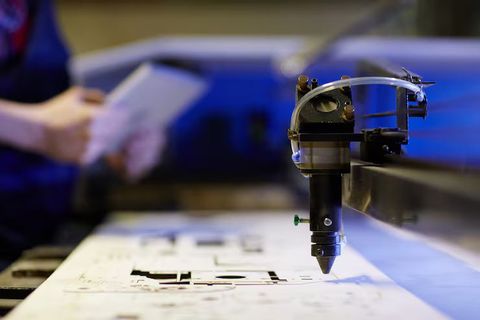
Another visible trend is the adoption of precision manufacturing techniques such as CNC machining and robotic welding. These methods help maintain tighter tolerances and consistent quality across production batches. There is also growing attention on operator comfort and safety, influencing cab design and vibration reduction during manufacturing.
While innovation continues steadily, manufacturers are also balancing durability and adaptability to ensure machines perform reliably in varied field conditions.
Laws or Policies: Regulatory Influence on Manufacturing Practices
Combine harvester manufacturing is shaped by a range of general regulations and policy frameworks, even without reference to any specific country. These rules typically focus on safety, environmental responsibility, and technical compliance.
Common regulatory influences include:
-
Machinery safety standards covering moving parts, braking systems, and operator protection
-
Emission and noise guidelines that affect engine design and exhaust systems
-
Material and waste-handling rules influencing factory processes
-
Certification requirements for agricultural equipment performance
Government programs related to agricultural modernization and mechanization also indirectly influence manufacturing priorities. These programs often encourage efficient, durable, and environmentally responsible machinery designs. As a result, manufacturers align production methods with evolving compliance expectations while maintaining functional reliability.
Tools and Resources Used in Combine Harvester Manufacturing
Manufacturing combine harvesters involves a wide ecosystem of tools and digital resources. These tools support design accuracy, production planning, and quality assurance throughout the manufacturing lifecycle.
Commonly used tools and resources include:
-
Computer-aided design platforms for component modeling and simulation
-
Manufacturing execution systems for tracking production stages
-
Quality inspection instruments for tolerance and alignment checks
-
Supply chain management software for parts coordination
-
Technical documentation templates for assembly and compliance records
In addition, testing rigs and diagnostic equipment are used to validate performance before machines leave the factory. These resources help manufacturers maintain consistency while adapting designs to changing agricultural needs.
Manufacturing Stages at a Glance
| Stage | Description |
|---|---|
| Design & Engineering | Component layout, material selection, and system integration |
| Fabrication | Cutting, forming, and machining of metal and structural parts |
| Assembly | Integration of engine, drivetrain, harvesting units, and cab |
| Testing | Functional checks, safety verification, and performance validation |
| Final Inspection | Quality review and documentation before distribution |
This structured workflow ensures that each combine harvester meets functional and safety expectations before deployment.
FAQs: Common Questions About Combine Harvester Manufacturing
What materials are commonly used in combine harvester manufacturing?
Manufacturers typically use high-strength steel for frames, aluminum alloys for weight reduction, reinforced polymers for panels, and rubber components for belts and seals.
How long does the manufacturing process usually take?
The timeline varies depending on design complexity and production scale, but it generally includes several coordinated stages from fabrication to final inspection.
Are electronics a major part of modern combine harvesters?
Yes. Modern machines include sensors, control units, and digital interfaces that support monitoring, calibration, and operational efficiency.
How is quality ensured during manufacturing?
Quality is maintained through standardized processes, in-line inspections, performance testing, and detailed documentation at each production stage.
Can combine harvesters be adapted for different crops?
Yes. Manufacturers design interchangeable headers and adjustable systems so machines can handle multiple crop types with proper configuratioConclusion: Understanding the Manufacturing Landscape
Combine harvester manufacturing represents a blend of traditional mechanical engineering and modern technological innovation. Its purpose is rooted in improving agricultural efficiency, reducing manual strain, and supporting reliable harvest outcomes. Through structured production stages, regulatory alignment, and continuous technical refinement, this manufacturing sector remains essential to global agriculture.
As farming practices evolve, manufacturing approaches will continue to adapt, emphasizing precision, durability, and responsible production methods. Understanding how these machines are made provides valuable insight into the systems that support modern food production.