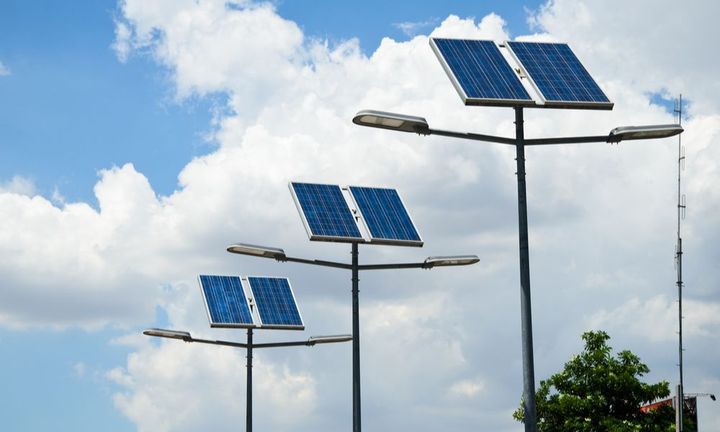
Explore Solar Street Lighting: Basics, Explanation, and Key Information
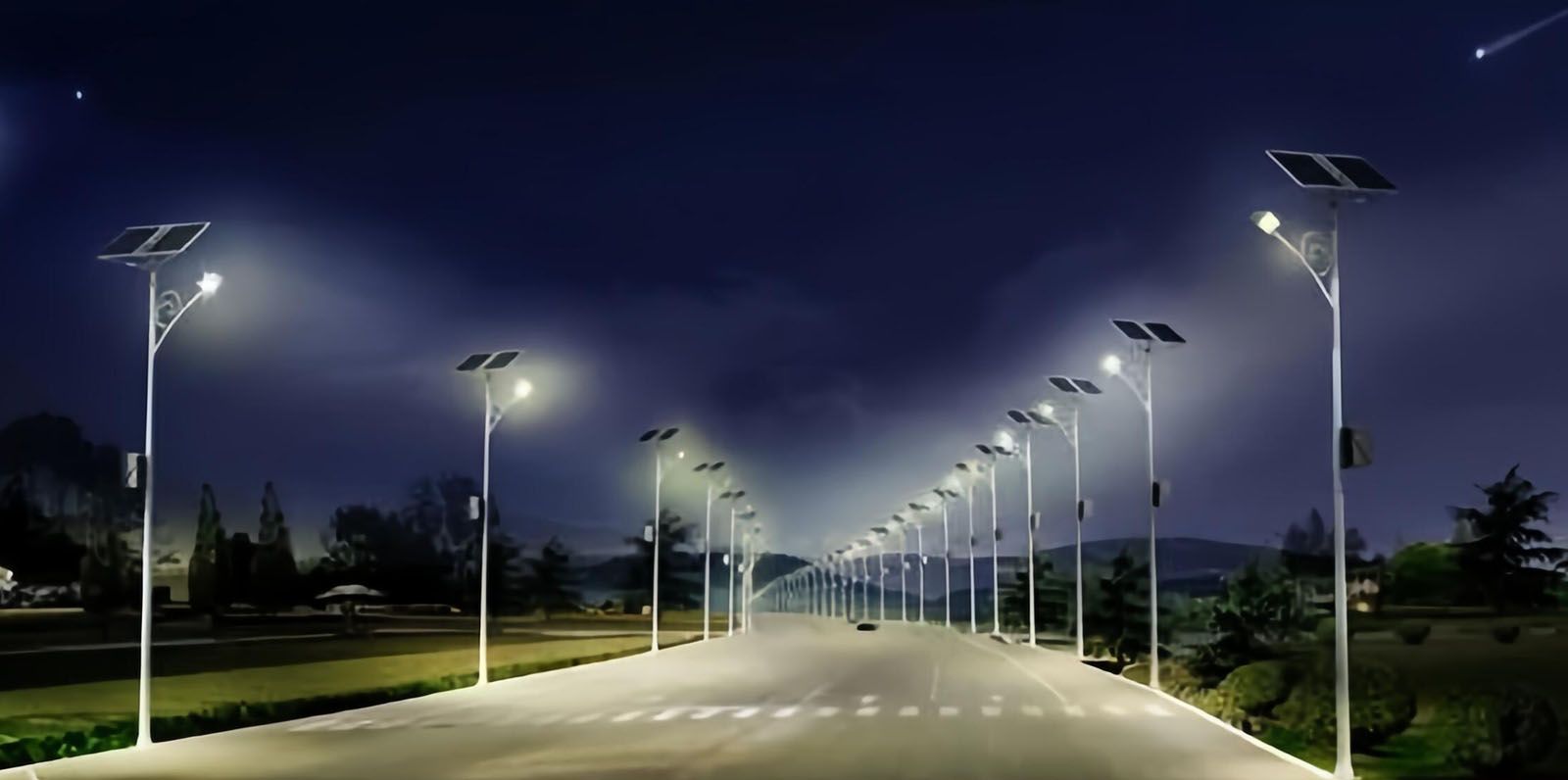
Solar street lighting refers to outdoor lighting systems powered by energy captured from sunlight. These systems typically combine photovoltaic panels, rechargeable batteries, efficient LED luminaires, and basic control electronics to illuminate streets, pathways, parking areas, and public spaces after sunset. The idea exists to provide dependable lighting without relying on conventional electricity networks, especially in areas where grid access is limited, unstable, or environmentally costly. Over time, solar street lighting has evolved from simple dusk-to-dawn lamps into intelligent infrastructure components capable of adapting to real-world conditions.
Importance
Solar street lighting matters because lighting is a fundamental public utility linked to safety, mobility, and social activity. Adequate illumination helps reduce accidents, supports nighttime movement, and improves visibility in shared spaces. Solar-powered systems address several persistent challenges at once:
-
Energy efficiency: They rely on renewable energy, lowering dependence on fossil-fuel-based electricity generation.
-
Infrastructure reach: They can operate independently of grid extensions, which is valuable in remote or newly developed areas.
-
Environmental impact: Reduced emissions and quieter operation align with sustainability goals.
-
Public safety and equity: Reliable lighting improves visibility in underserved locations such as rural roads, pedestrian paths, and community facilities.
The topic affects municipalities, urban planners, infrastructure engineers, and residents who depend on consistent nighttime lighting. It also responds to broader concerns around energy resilience, climate responsibility, and long-term maintenance efficiency.
Recent Updates
In the past months, solar street lighting has seen several noteworthy developments driven by technology and planning practices. Advancements in battery chemistry have improved energy storage density, allowing lights to remain operational during extended periods of low sunlight. Around February, manufacturers highlighted wider adoption of lithium-based storage paired with intelligent charge controllers that optimize daily energy use.
Another visible trend since mid-year has been the integration of adaptive lighting features. Motion sensors and ambient light detection now adjust brightness levels dynamically, conserving stored power while maintaining safety. Research updates released in August emphasized improved LED optics that deliver more uniform light distribution with lower wattage requirements.
Urban design discussions published in November also noted a shift toward modular poles and standardized mounting systems. These changes simplify installation and replacement, making solar street lighting more scalable for expanding neighborhoods and public projects.
Laws or Policies
Solar street lighting is influenced by general energy and infrastructure regulations rather than a single, uniform rulebook. Public lighting standards usually define acceptable illumination levels, glare control, and electrical safety requirements. Renewable energy policies encourage the adoption of solar-powered infrastructure by recognizing it as part of broader clean energy strategies.
Environmental guidelines often support solar lighting because it reduces emissions and minimizes trenching or cabling impacts on land. In public projects, procurement rules may require compliance with efficiency ratings, durability standards, and recycling guidelines for batteries and electronic components. Together, these frameworks shape how solar street lighting systems are designed, installed, and maintained without prescribing a single universal model.
Tools and Resources
Several tools and resources help planners and stakeholders understand and apply solar street lighting effectively:
-
Solar illumination calculators: Used to estimate panel size, battery capacity, and expected operating hours based on average sunlight.
-
Lighting design software: Helps visualize pole spacing, light distribution, and brightness levels for roads and pathways.
-
Standards documentation: Technical guidelines from lighting and energy bodies outline recommended practices for outdoor illumination.
-
Monitoring dashboards: Digital platforms track battery health, energy generation, and system performance over time.
-
Educational portals: Online knowledge hubs explain basics such as photovoltaic operation, LED efficiency, and maintenance principles.FAQs
How does a solar street light work?
A solar street light captures sunlight through a photovoltaic panel during the day. The energy is stored in a battery and later used to power an LED lamp at night through a controller that manages charging and discharging.
Can solar street lighting operate during cloudy weather?
Yes. Energy stored in the battery allows the light to function for several nights without full sunlight, depending on system design and energy management settings.
What makes LED technology important in solar street lighting?
LEDs provide high light output with low power consumption. Their efficiency allows solar systems to deliver adequate illumination while using smaller panels and batteries.
Is maintenance different from conventional street lighting?
Maintenance focuses more on cleaning panels, checking battery health, and ensuring electronic controllers function correctly, rather than managing grid connections.
Where is solar street lighting most suitable?
It is suitable for roads, walkways, campuses, parking areas, and locations where grid access is limited or where energy efficiency is a priority.
Conclusion
Solar street lighting represents a practical intersection of renewable energy, public safety, and modern infrastructure design. By converting sunlight into dependable nighttime illumination, these systems address energy efficiency challenges while extending lighting access to diverse environments. Ongoing improvements in storage, controls, and lighting technology continue to enhance reliability and adaptability. As planning standards and sustainability goals evolve, solar street lighting remains a clear example of how clean energy solutions can support everyday public needs.