Explore Sterilization Autoclaves: Key Insights for Efficient Equipment Use
Sterilization autoclaves are essential devices used to eliminate harmful microorganisms from equipment and materials.
They rely on high-pressure steam to achieve sterilization, making them widely used across healthcare, laboratories, and industrial settings. From a medical autoclave machine in hospitals to a laboratory autoclave sterilizer in research facilities, these systems ensure that tools and environments remain safe and contamination-free.
The concept of steam sterilization autoclave technology dates back to early scientific discoveries about heat and microbes. Over time, the design has evolved into advanced autoclave sterilizer machines capable of precise temperature and pressure control. Today, autoclave manufacturers develop a wide range of models, including vertical autoclave sterilizer units and horizontal autoclave machines, to suit different operational needs.
Understanding how autoclave sterilization equipment works helps users handle it more effectively. Whether used in hospital autoclave equipment, dental clinic autoclave sterilizer setups, or industrial autoclave sterilization processes, these systems play a key role in maintaining hygiene and safety standards.
Importance
Sterilization autoclaves are important because they directly impact public health and safety. In hospitals, improper sterilization can lead to infections, making autoclave sterilization for hospitals a critical process. Similarly, laboratories rely on lab sterilization autoclave systems to prevent contamination that could affect research outcomes.
These systems also support industries such as pharmaceuticals, where an autoclave for pharmaceutical industry applications ensures that products meet strict hygiene requirements. Without reliable sterilization, the risk of contamination increases, which can affect both people and processes.
Some common challenges addressed by autoclave sterilization equipment include:
- Eliminating pathogens: High pressure autoclave sterilizer systems destroy bacteria, viruses, and spores effectively
- Maintaining compliance: Many sectors must follow strict hygiene regulations
- Ensuring consistency: Automated controls help maintain uniform sterilization cycles
- Handling diverse materials: Different models support tools, liquids, and instruments
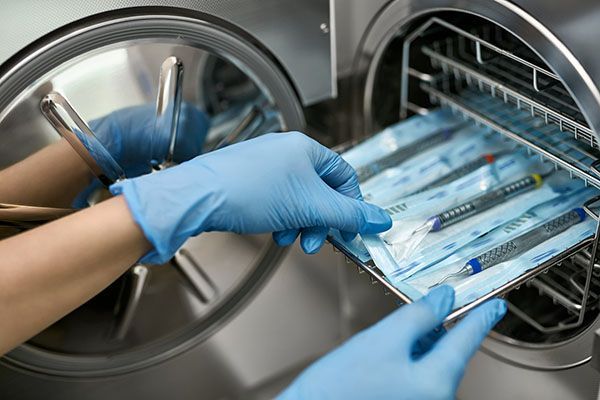
For everyday users, such as dental clinics or small labs, a dental clinic autoclave sterilizer ensures that reusable instruments remain safe for repeated use.
Recent Updates
In recent years, sterilization autoclaves have seen steady advancements in efficiency, safety, and digital integration. Modern autoclave sterilization equipment often includes automated monitoring systems that track temperature, pressure, and cycle duration in real time. This helps reduce human error and improves process reliability.
Another trend is the integration of smart technology. Some medical autoclave machines now connect to digital systems for data logging and compliance tracking. This is especially useful in hospitals and pharmaceutical environments where record-keeping is essential.
Energy efficiency has also become a focus. Newer steam sterilization autoclave models are designed to use less water and energy while maintaining performance. Additionally, compact designs are being developed for smaller facilities, making laboratory autoclave sterilizer units more accessible in limited spaces.
Industrial sectors are also adopting advanced industrial autoclave sterilization systems that can handle larger volumes and complex materials. These systems often feature programmable cycles tailored to specific applications.
Laws or Policies
Sterilization autoclaves are subject to various regulations to ensure safety and effectiveness. In many countries, healthcare facilities must follow strict guidelines for autoclave sterilization for hospitals, including validation and regular testing of equipment.
Common regulatory aspects include:
- Performance validation: Autoclave sterilizer machine cycles must be tested to confirm proper sterilization
- Routine monitoring: Biological and chemical indicators are used to verify effectiveness
- Documentation requirements: Facilities must maintain records of sterilization cycles
- Equipment standards: High pressure autoclave sterilizer units must meet safety certifications
In the pharmaceutical sector, regulations are even more detailed. An autoclave for pharmaceutical industry use must comply with quality standards related to production and contamination control. These rules ensure that sterilization processes remain consistent and reliable.
Laboratories also follow guidelines for lab sterilization autoclave systems, particularly when handling biological materials. These policies help prevent accidental exposure and maintain safe working conditions.
Tools and Resources
Several tools and resources support the effective use of sterilization autoclaves. These help users monitor performance, maintain compliance, and improve operational efficiency.
Monitoring Tools
Modern autoclave sterilization equipment often includes built-in monitoring systems. These track temperature, pressure, and cycle duration automatically. External tools such as biological indicators and chemical strips are also used to verify sterilization results.
Digital Record Systems
Digital platforms allow facilities to store and manage sterilization data. These systems are commonly used in hospital autoclave equipment setups and pharmaceutical environments to maintain accurate records.
Maintenance Checklists
Routine maintenance is essential for all types of autoclave sterilizer machines. Checklists help ensure that components such as valves, seals, and chambers are functioning correctly.
Training Resources
Educational materials and training programs help users understand how to operate different types of autoclaves, including vertical autoclave sterilizer and horizontal autoclave machine models.
Comparison of Autoclave Types
| Autoclave Type | Common Use Case | Key Feature |
|---|---|---|
| Vertical autoclave sterilizer | Laboratories, small clinics | Compact design, top-loading |
| Horizontal autoclave machine | Hospitals, large facilities | High capacity, front-loading |
| High pressure autoclave sterilizer | Industrial and medical applications | Handles high temperatures and pressure |
| Laboratory autoclave sterilizer | Research labs | Precise control for sensitive items |
| Industrial autoclave sterilization systems | Manufacturing and pharmaceuticals | Large-scale processing capability |
FAQs
What is a sterilization autoclave and how does it work?
A sterilization autoclave uses high-pressure steam to eliminate microorganisms from equipment and materials. The combination of heat, pressure, and time ensures effective sterilization.
What is the difference between a vertical autoclave sterilizer and a horizontal autoclave machine?
A vertical autoclave sterilizer typically has a top-loading design and is used in smaller settings like laboratories. A horizontal autoclave machine has a front-loading design and is commonly used in hospitals for higher capacity needs.
Where is autoclave sterilization equipment commonly used?
Autoclave sterilization equipment is used in hospitals, laboratories, dental clinics, and industrial environments. It is also essential in pharmaceutical production for maintaining sterile conditions.
How often should a medical autoclave machine be tested?
A medical autoclave machine should be tested regularly using biological and chemical indicators. Routine checks help confirm that sterilization cycles are functioning correctly.
What is the role of a laboratory autoclave sterilizer in research?
A laboratory autoclave sterilizer ensures that lab equipment and materials are free from contamination. This helps maintain accurate research results and safe working conditions.
Conclusion
Sterilization autoclaves play a vital role in maintaining hygiene across healthcare, laboratory, and industrial environments. Their ability to eliminate harmful microorganisms supports safety and compliance in many fields. With ongoing advancements in automation and efficiency, autoclave sterilization equipment continues to evolve to meet modern demands. Understanding how these systems work and how they are regulated helps users operate them effectively. As their applications expand, they remain a key part of safe and controlled environments.