How Hot Rolls Support Global Infrastructure
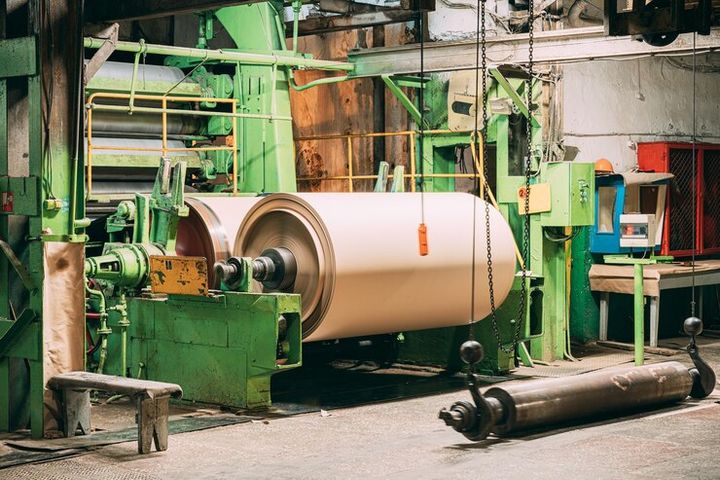
Hot rolls, or hot-drald steel product, is a basic material in production and construction. They roll steel at high temperatures, above the repetition point, making it easier to shape the steel into large sheets, beams or coils.
Hot-Rald steel is widely used because of its strength, strength and ability to shape in different figures for different industries. The applications range from bridges and railways to buildings, pipelines and heavy machinery. The existence of hot rolls ensures that industries can rely on durable and versatile steel products for the production of essential infrastructure.

Importance - why does a warm role mean something today
Hot roles are important for modern economies for many reasons:
Construction and urbanization: Hot-Rald Beams and sheets are used in high growing buildings, roads and railways.
Transport infrastructure: Railway tracks, trucks and shipbuilding depend on heavily hot rated steel.
Energy projects: Pipeline, oil rigs and renewable energy structures require hot rolls for strength and reliability.
Affordable and scale: Compared to other steel products, hot rolls are cost -effective and manufactured in large quantities.
| Sector | Application of Hot Rolls | Impact |
|---|---|---|
| Construction | Bridges, buildings, tunnels | Structural strength |
| Transportation | Rail tracks, shipping containers, vehicles | Connectivity |
| Energy | Pipelines, power plants, wind towers | Energy flow & security |
| Manufacturing | Machinery, equipment, industrial parts | Industrial growth |
This versatility makes hot rolls into a spine material in global infrastructure projects.
Recent Update - Trend in Hot Rolls (2024–2025)
In recent years, the production of Hot-Rald Steel has been influenced by global market change and technological progress:
Increasing demand from emerging economies (2024): Countries such as India, Vietnam and Indonesia require infrastructure projects.
Green Steel Initiative (2024–2025): Manufacturers use low -carbon production processes to reduce emissions.
Price Volatility: Geophysical stress and disorders in the supply chain have caused steel prices ups and downs.
Automation in production: Smart factory improves accurately and efficiency in the production of hot rolls.
Recycling focus: Recycling of scrap steel was emphasized to meet stability goals.
These updates show how the Hot Roll industry is beneficial for global stability goals, and meets the needs of growing infrastructure.
Laws or Guidelines - Rules affecting hot rolls
Governments and international bodies regulate steel production and use to ensure safety and stability:
Environmental regulations: Politics such as the EU's EU emission Trading System (ETS) press steel manufacturers to use cleaner processes.
Trade policy: Tariffs and anti -dumping obligations affect the import and export of hot ranked steel.
Infrastructure Investment Program: U.S. (Through the law on infrastructure investment and work), countries such as countries promote the demand for hot roles.
Security standards: National building code specifies the type and character of the required steel in the infrastructure.
Stability goals: Global climate agreement encourages steel production technologies with low carbon.
These guidelines directly affect how heat rolls are produced, traded and used worldwide.
Equipment and resources - AssisteThids for businesses and engineers
Many tools and platforms help the source of industries and effectively manage the hot rolls:
Steel price calculator: Online calculators track live prices and help buy the plan.
Material specification database: Resources such as ASTM and ISO standards provide detailed steel specifications.
Industry Catalog: Platforms such as Thomasnet or Steelorbis connect buyers with suppliers.
CAD software: Design equipment helps engineers in planning projects with accurate steel dimensions.
Market report: Research agencies provide insights on demand, supply and price trends.
These resources allow companies to make informed decisions when working with hot-rald steel products.
Common questions - general questions about hot rolls
Q1. What is the difference between hot-drald and cold-raid steel?
Hot-Rald steel is manufactured at high temperatures and is suitable for large-scale infrastructure, while cold-drald steel for precise applications ends at low temperatures.
Q2. Why is hot rated steel in construction?
It is available in strong, affordable and large dimensions, making it ideal for buildings, bridges and tunnels.
Q3. Is hot rolling environment durable?
The industry goes towards green production methods, including the recycling and use of renewable energy in steel production.
Q4. How is the price of hot rolls?
Prices depend on the costs of raw materials, demand, the status of the supply chain and the policy for authorities.
Q5. Which countries with hot-rald steel are the most important manufacturers?
China, India, Japan and America are among the largest producers around the world.
Final thoughts
Hot Rolls is still an important component of global infrastructure, capable of building industries strong, safe and more economic projects. From transport to energy and urban development, their role is irreparable.
With ongoing trends such as stability, digital changes in production and state-supported infrastructure projects, the demand for hot-Rald steel will continue to increase. Companies and authorities that are compatible with these changes can ensure efficient and flexible development worldwide.