How-to Choose Cooling Bedsheets: Tips, Tricks & Smart Ideas
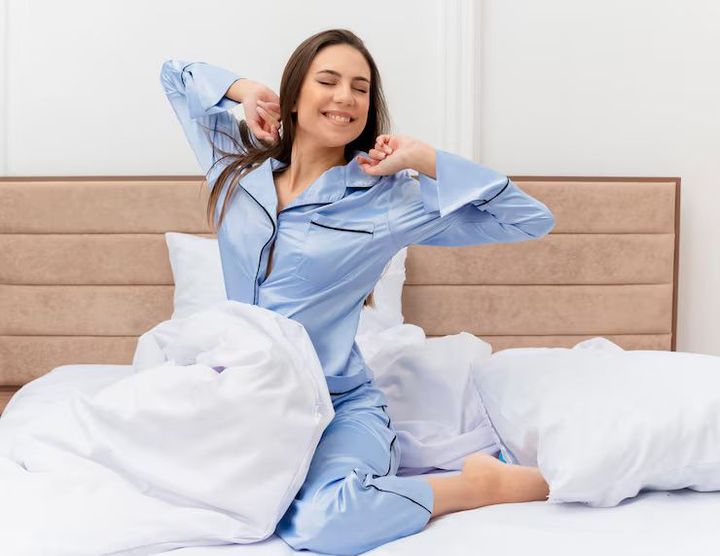
Cooling bedsheets are designed to improve sleep comfort by helping regulate body temperature during the night. Many people experience discomfort from heat buildup, especially in warm climates or during summer months. This has led to increased interest in breathable bedding and temperature regulating sheets.
The idea behind cooling bedsheets is simple. Certain fabrics allow better airflow, absorb moisture efficiently, and reduce heat retention. These features support sleep quality improvement by minimizing night sweats and overheating.
As climate patterns shift and urban homes rely more on insulation and electronic devices, indoor temperatures can remain high even at night. For this reason, understanding how to choose the best fabric for night sweats and warm sleepers has become more relevant than ever.
Why Choosing the Right Cooling Bedsheets Matters
Sleep plays a critical role in physical health, mental clarity, and productivity. When bedding traps heat, it may disrupt the natural sleep cycle. This can affect:
-
People living in tropical or humid regions
-
Individuals experiencing night sweats
-
Older adults sensitive to temperature changes
-
Children who tend to overheat while sleeping
-
Urban households without consistent climate control
Cooling bedsheets help address common sleep challenges such as:
-
Excessive perspiration
-
Skin irritation caused by synthetic fabrics
-
Restless sleep due to overheating
-
Moisture buildup in humid environments
The right breathable bedding can improve airflow, reduce dampness, and create a more stable sleep surface. While sheets alone do not control room temperature, selecting temperature regulating sheets can make a noticeable difference in comfort.
Below is a comparison of common cooling fabric options used in modern bedding:
| Fabric Type | Breathability | Moisture Control | Durability | Best For |
|---|---|---|---|---|
| Cotton (Percale) | High | Moderate | High | Warm climates |
| Bamboo Viscose | Very High | High | Moderate | Night sweats |
| Linen | Excellent | High | Very High | Humid regions |
| Tencel™ Lyocell | Very High | Very High | High | Sensitive skin |
| Microfiber (Polyester) | Low–Moderate | Low | High | Cooler rooms |
Natural fibers generally provide better airflow compared to synthetic materials. However, durability and maintenance requirements can vary.
Recent Trends and Updates in Cooling Bedding
Over the past year (2025–2026), several bedding trends have gained attention:
Sustainable and Organic Materials (2025)
There has been growing demand for organic cotton sheets and responsibly sourced bamboo fabrics. Environmental labeling standards introduced or expanded in 2025 in multiple regions now emphasize transparency in textile production.
Moisture-Wicking Technology
Advances in textile engineering have improved moisture wicking fabric performance. Some manufacturers are integrating phase-change materials (PCM), which absorb and release heat depending on body temperature fluctuations.
Smart Bedding Integration (Late 2025)
New product lines introduced in late 2025 include sensor-compatible sheets designed to work alongside sleep tracking devices. While these sheets do not replace medical tools, they aim to enhance sleep monitoring ecosystems.
Heatwave Awareness
Following record summer temperatures reported globally in mid-2025, online searches for hot sleeper solutions and summer bedding guides increased significantly. Consumers are now more aware of fabric composition and weave type rather than thread count alone.
Thread count is no longer viewed as the primary indicator of comfort. Instead, weave structure and fiber type are considered more relevant for airflow.
Laws, Policies, and Consumer Protection in Textile Products
Cooling bedsheets are influenced by textile regulations, labeling laws, and environmental policies in different countries.
Textile Labeling Regulations
Many countries require clear disclosure of fiber content. For example, consumer protection authorities mandate that bedding labels accurately list materials such as cotton, polyester, bamboo viscose, or blended fibers. Mislabeling can result in penalties.
Environmental Standards
In 2025, several governments strengthened sustainability frameworks related to textile manufacturing. Policies now encourage:
-
Reduced water consumption in cotton production
-
Responsible chemical processing
-
Transparent sourcing practices
Certifications such as organic textile standards or eco-labeling programs help consumers identify responsibly produced bedding.
Health and Safety Compliance
Textile products must comply with safety standards regarding chemical residues and dyes. Regulations limit harmful substances that may irritate skin or cause allergic reactions.
These rules are designed to protect consumers and ensure transparency, especially when products claim temperature regulating properties.
Practical Tools and Resources for Choosing Cooling Bedsheets
Selecting cooling bedsheets can be easier with reliable tools and information sources. Here are helpful resources:
Fabric Comparison Charts
Many textile research websites publish material comparison tables explaining breathability, moisture absorption, and durability.
Sleep Tracking Apps
Mobile applications such as sleep cycle monitors can help track temperature-related sleep disturbances. Reviewing sleep data may guide bedding adjustments.
Climate and Humidity Data Tools
Weather and humidity tracking tools help determine whether linen, cotton, or moisture wicking fabric may work better in your region.
Textile Certification Databases
Government or nonprofit certification directories allow users to verify eco-labels and organic textile credentials.
Laundry Care Guides
Official fabric care websites provide instructions on washing temperature regulating sheets properly, which helps preserve their cooling performance.
Below is a simplified overview of how fabric breathability relates to airflow:
Airflow Level
High        | Linen, Bamboo, Tencel
Moderate    | Cotton Percale
Lower       | Polyester Microfiber
This visual ranking shows why natural fibers are commonly recommended for hot sleepers.
Key Tips and Smart Ideas for Choosing Cooling Bedsheets
Understanding fabric features can simplify decision-making. Consider the following:
Look Beyond Thread Count
A high thread count does not always mean better airflow. Percale weave, for example, offers a crisp feel and enhanced breathability even at moderate thread counts.
Choose Moisture-Wicking Fabric
If night sweats are common, materials such as bamboo viscose or Tencel™ lyocell help draw moisture away from the skin.
Consider Weave Type
-
Percale: Lightweight and breathable
-
Sateen: Softer but slightly warmer
-
Linen weave: Highly breathable and textured
Check Climate Compatibility
Humid regions benefit from linen or bamboo due to superior moisture evaporation. Dry climates may work well with percale cotton.
Evaluate Skin Sensitivity
Hypoallergenic materials and low-chemical processing reduce irritation risks.
Think About Mattress Compatibility
If you use a memory foam mattress, which can retain heat, breathable bedding becomes even more important.
These strategies focus on comfort and informed decision-making rather than marketing claims.
Frequently Asked Questions
What is the best fabric for night sweats?
Fabrics like bamboo viscose, linen, and Tencel™ lyocell are often preferred because they offer strong moisture absorption and airflow properties.
Do cooling bedsheets lower room temperature?
No. Cooling bedsheets improve airflow and moisture control but do not reduce overall room temperature. They enhance perceived comfort rather than functioning as air conditioning.
Is thread count important for breathable bedding?
Thread count plays a role in texture, but weave type and fiber composition have a greater impact on breathability.
Are synthetic sheets suitable for hot sleepers?
Some engineered fabrics provide moisture-wicking benefits, but many synthetic sheets retain more heat compared to natural fibers.
How often should cooling bedsheets be replaced?
Durability depends on material and care practices. Regular inspection for thinning fabric or reduced softness helps determine replacement timing.
Conclusion
Choosing cooling bedsheets involves understanding fabric composition, weave type, moisture management, and climate compatibility. As global temperatures continue to rise and awareness about sleep health grows, breathable bedding has become an important part of everyday comfort.
Recent developments in sustainable textiles and moisture-wicking technology provide more options for hot sleeper solutions. At the same time, labeling laws and environmental regulations help ensure transparency and safety in textile products.