Industrial Sealing Rings: Complete Guide to Basics, Uses, and Key Insights
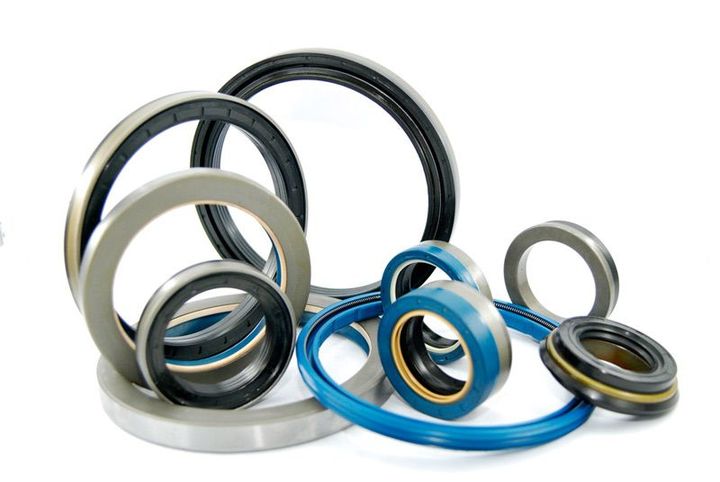
Industrial sealing rings are essential mechanical components used to prevent leakage between machine parts. They are designed to close small gaps between stationary or moving components, helping maintain pressure, contain fluids, and protect equipment from contamination. These rings are widely used across manufacturing systems, mechanical assemblies, hydraulic equipment, and industrial processing machines.
In many industrial environments, machinery operates under high pressure, temperature variations, and constant mechanical movement. Without effective sealing systems, these conditions could allow liquids, gases, or particles to escape or enter unwanted areas. Sealing rings are developed to address these challenges by forming tight barriers between surfaces.
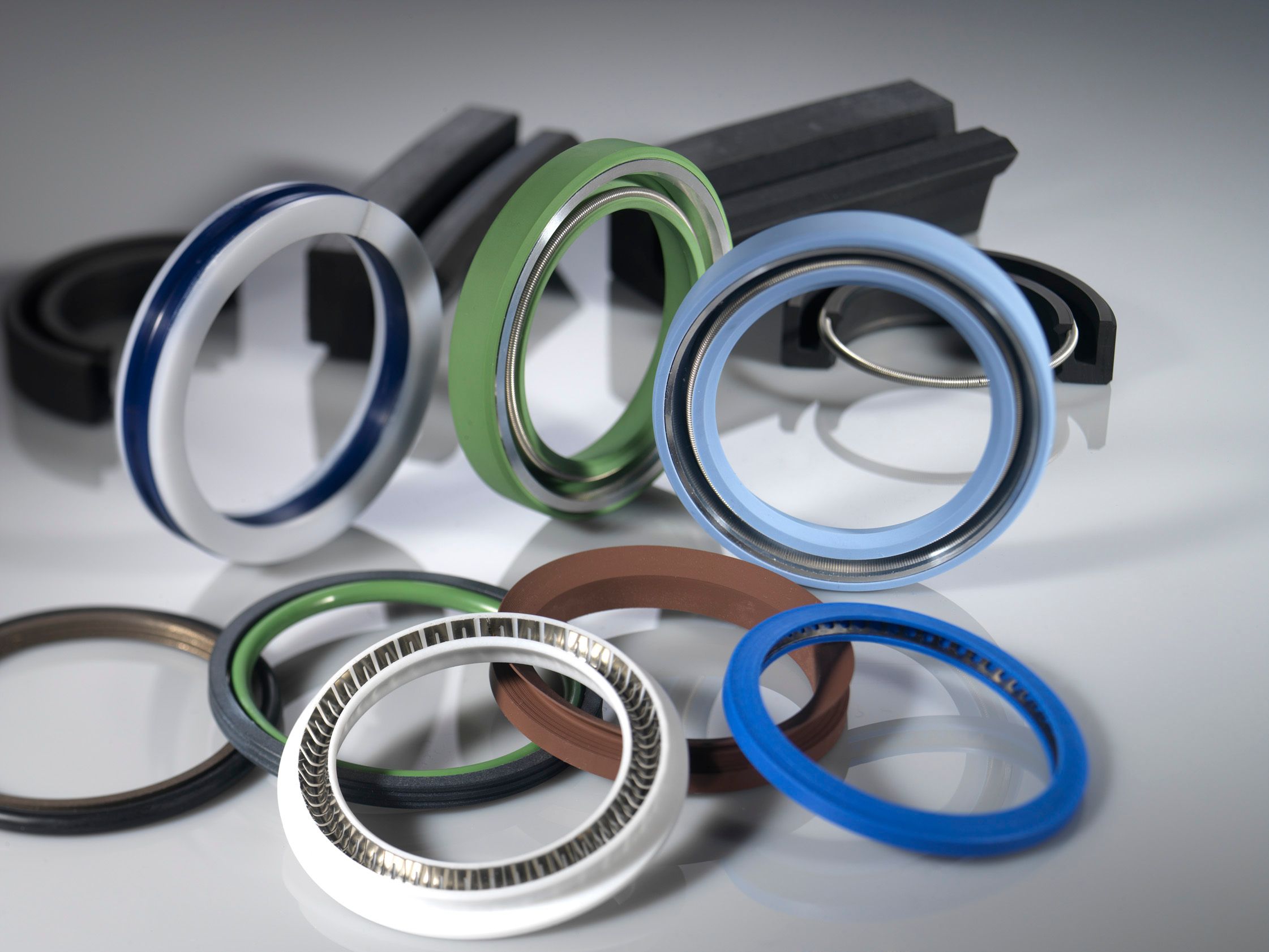
Industrial sealing rings exist in many shapes, materials, and sizes. The design typically depends on the equipment's operating environment, pressure levels, and the types of substances being contained. Common forms include O-rings, gasket rings, metal rings, and composite sealing rings.
Understanding the basics of industrial sealing rings helps engineers, technicians, and manufacturing professionals maintain reliable machinery performance while reducing the risk of operational interruptions.
Importance of Industrial Sealing Rings in Modern Machinery
Industrial sealing rings play a vital role in maintaining safe and efficient equipment operation. These components help ensure that machines function correctly while minimizing the risk of fluid leakage, contamination, and mechanical wear.
Several industries rely heavily on effective sealing technology:
-
Manufacturing equipment systems
-
Hydraulic and pneumatic machinery
-
Chemical processing plants
-
Oil and gas infrastructure
-
Automotive and heavy machinery systems
-
Food processing equipment
One of the main functions of sealing rings is maintaining pressure inside mechanical systems. Hydraulic machines, for example, require consistent pressure levels to operate correctly. If pressure leaks occur, the system may lose efficiency or stop functioning properly.
Sealing rings also help protect internal machine parts. Dust, moisture, and chemicals can enter machinery if seals are not functioning properly. This contamination can lead to corrosion, premature wear, or system malfunction.
Another important benefit is improved equipment longevity. When sealing rings perform correctly, they reduce friction, limit exposure to harmful substances, and maintain lubrication inside moving parts.
The following table highlights common industrial sectors and the typical sealing ring applications used within them.
| Industry Sector | Typical Equipment | Role of Sealing Rings |
|---|---|---|
| Manufacturing | Industrial presses, pumps | Prevent fluid leakage |
| Automotive | Engines, transmissions | Maintain pressure and lubrication |
| Chemical Processing | Reactors, pipelines | Contain chemical substances |
| Oil & Gas | Valves, drilling systems | Seal high-pressure environments |
| Food Processing | Mixers, conveyors | Prevent contamination |
These applications show how sealing rings support reliable machine operation across multiple industrial environments.
Recent Developments and Trends in Sealing Technology
In recent periods, sealing technology has experienced several improvements driven by industrial innovation and increased demand for reliable machinery performance.
One notable development is the advancement of high-performance sealing materials. Manufacturers are increasingly using advanced elastomers, fluoropolymers, and composite materials that offer improved durability and resistance to heat, chemicals, and pressure.
Another important trend involves precision manufacturing methods. Modern production processes such as CNC machining and advanced molding techniques allow sealing rings to achieve higher dimensional accuracy. This precision helps improve sealing effectiveness and reduce leakage risks.
Digital monitoring technologies are also influencing sealing systems. Some industrial facilities now integrate sensors and predictive maintenance tools to monitor seal performance. These monitoring systems can detect changes in pressure or temperature that may indicate potential seal wear.
Sustainability has also become an important topic in sealing technology development. Engineers are exploring materials and designs that reduce friction and energy consumption within machines.
The following simplified chart illustrates factors driving innovation in sealing technology.
| Innovation Driver | Impact on Sealing Rings |
|---|---|
| Advanced Materials | Improved heat and chemical resistance |
| Precision Manufacturing | Better dimensional accuracy |
| Equipment Monitoring | Early detection of seal wear |
| Energy Efficiency Focus | Reduced mechanical friction |
These developments continue to influence how sealing rings are designed and used in modern industrial systems.
Regulatory Considerations and Standards in Industrial Sealing
Industrial sealing rings must often meet specific engineering and safety standards depending on their application. Various industry guidelines exist to ensure sealing components perform reliably under demanding operating conditions.
Engineering standards typically address:
-
Material compatibility with fluids or gases
-
Pressure tolerance limits
-
Temperature resistance
-
Mechanical durability requirements
-
Dimensional specifications
Organizations involved in developing technical standards often publish guidelines that manufacturers follow when producing sealing components.
For example, international mechanical engineering standards frequently define acceptable material properties and testing procedures. These standards help ensure that sealing rings function consistently across different equipment types.
Environmental and safety regulations can also influence sealing design. In industries handling hazardous substances, sealing components must prevent leakage that could harm workers or surrounding environments.
Quality testing procedures are commonly used to evaluate sealing rings before installation. These tests may include pressure resistance testing, chemical compatibility checks, and temperature endurance evaluations.
By following standardized engineering practices, manufacturers and operators can ensure that sealing rings perform safely and reliably in demanding industrial environments.
Tools and Resources for Understanding Sealing Rings
Several technical resources help engineers, technicians, and industrial professionals evaluate and understand sealing ring applications.
These resources support design decisions, performance analysis, and equipment maintenance planning.
Common tools and resources include:
-
Engineering material databases for seal material compatibility
-
Pressure and temperature calculation tools for system design
-
Industrial maintenance software that tracks equipment components
-
Technical manuals from machinery manufacturers
-
Industrial standards documentation used in mechanical engineering
Engineering simulation software is also widely used. These programs allow designers to model sealing performance under different pressure levels and operating conditions.
Another valuable resource is predictive maintenance platforms. These systems collect operational data from machinery and help identify early signs of component wear, including sealing rings.
The following table highlights useful categories of tools related to sealing system analysis.
| Tool Category | Purpose |
|---|---|
| Engineering Calculators | Evaluate pressure and sealing force |
| Material Databases | Compare elastomer and metal properties |
| Simulation Software | Model seal behavior in machinery |
| Maintenance Platforms | Monitor equipment performance |
| Technical Manuals | Provide installation and maintenance guidance |
These tools help improve understanding of sealing systems and support more effective industrial equipment management.
Frequently Asked Questions
What are industrial sealing rings used for?
Industrial sealing rings are used to prevent leakage between machine components. They help maintain pressure, contain fluids, and protect equipment from contamination in mechanical systems.
What materials are commonly used in sealing rings?
Common materials include rubber elastomers, silicone, PTFE, metal alloys, and composite materials. The material selection depends on temperature conditions, pressure levels, and chemical exposure.
What is the difference between O-rings and gasket rings?
O-rings are circular sealing rings typically used in dynamic or static applications involving pressure systems. Gasket rings are usually flat sealing components placed between two surfaces to create a tight seal.
How do sealing rings affect machine efficiency?
Sealing rings help maintain proper pressure and lubrication inside machinery. This improves equipment performance and reduces energy losses caused by leaks or contamination.
How often should sealing rings be inspected?
Inspection frequency depends on operating conditions and equipment type. In many industrial systems, seals are evaluated during routine maintenance cycles to ensure they remain effective.
Conclusion
Industrial sealing rings are fundamental components in many mechanical and industrial systems. They help prevent leakage, maintain pressure, and protect machinery from contamination or damage. Without reliable sealing solutions, many types of industrial equipment would face frequent performance issues and reduced operational lifespan.
The design and material composition of sealing rings vary widely depending on the environment in which they operate. Factors such as pressure, temperature, fluid compatibility, and mechanical movement all influence seal selection and performance.
Recent developments in materials science, precision manufacturing, and equipment monitoring continue to improve sealing technology. These innovations allow modern industrial systems to operate more efficiently and with greater reliability.