
Premium Skincare Products Overview: Basics, Explanation, Facts, and Essential Details to Know
Premium skincare products are formulations positioned at the higher end of the beauty and personal care market. They typically emphasize advanced dermatology research, concentrated active ingredients, refined textures, and detailed product development processes. The concept emerged as consumer awareness around skin health, cosmetic science, and ingredient transparency increased.
Unlike general skincare items, premium skincare often focuses on:
-
Scientifically supported active compounds
-
Clinical-grade formulations
-
Advanced delivery systems
-
Dermatologist-tested claims
-
High-quality packaging designed for ingredient stability
These products exist because skin concerns have become more specific and personalized. Issues such as hyperpigmentation, acne-prone skin, premature aging, dehydration, and environmental damage require targeted skincare solutions. As research in cosmetic dermatology expanded, manufacturers began developing formulations that combine cosmetic science with medical-grade research standards.
Visual Examples of Premium Skincare Products
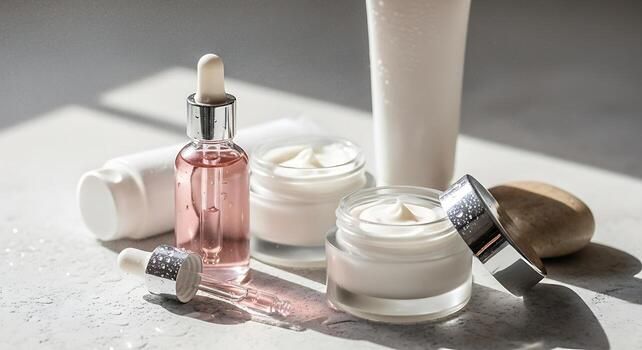
These examples show common packaging styles and product types such as serums, moisturizers, and treatment concentrates often associated with premium skincare.
Why Premium Skincare Products Matter Today
The global beauty industry has shifted toward evidence-based skincare. Consumers increasingly search for high CPC keywords such as anti-aging serum, dermatologist recommended skincare, retinol treatment, hyaluronic acid serum benefits, and clinical skincare solutions. This shift reflects a broader interest in ingredient education and skin barrier health.
Premium skincare matters because:
-
Skin health is closely linked to overall well-being
-
Environmental pollution can impact skin function
-
Digital lifestyles increase blue light exposure
-
Aging populations seek preventive skincare
-
Social media promotes ingredient transparency
These products affect a wide range of individuals:
-
People managing chronic skin concerns
-
Individuals exposed to harsh climates
-
Professionals concerned about long-term skin health
-
Consumers researching cosmetic ingredient safety
Common problems addressed include:
-
Fine lines and wrinkles
-
Loss of skin elasticity
-
Uneven skin tone
-
Acne and breakouts
-
Dryness and sensitivity
Premium formulations often include active ingredients such as retinoids, peptides, niacinamide, ceramides, antioxidants, and stabilized vitamin C. These compounds are widely studied in dermatology literature and used to improve skin texture, hydration, and tone.
From an economic perspective, the premium beauty market represents a growing segment within the global skincare industry. Digital advertising trends indicate high competition for search terms related to clinical skincare, advanced anti-aging treatments, and dermatology-backed formulas.
Recent Updates and Industry Trends
In the past year, several trends have influenced the premium skincare sector:
Ingredient Transparency and Label Clarity
Manufacturers increasingly provide detailed ingredient lists and explanation guides. Consumers now expect clarity regarding active concentrations and formulation science.
Skin Barrier Science Focus
There is a growing emphasis on maintaining the skin barrier through ceramide-rich creams, microbiome-friendly formulations, and gentle exfoliation practices.
AI-Based Skin Analysis
Artificial intelligence tools now analyze skin concerns using smartphone cameras. These digital dermatology tools provide personalized product recommendations based on skin tone, texture, and hydration levels.
Sustainable Packaging Innovations
Brands are transitioning toward recyclable glass containers, refill systems, and reduced plastic usage to address environmental concerns.
Blue Light and Urban Protection Formulas
New formulations target pollution defense and digital exposure stress. Antioxidant-rich serums are marketed as protective solutions against environmental damage.
Clinical Testing Expansion
More companies conduct independent laboratory testing and consumer trials to support claims. Dermatological evaluation has become more common for high-end skincare lines.
These developments reflect a broader shift toward science-driven cosmetic innovation rather than purely aesthetic marketing.
Laws and Regulatory Framework
Premium skincare products are regulated under cosmetic safety laws in many regions. Regulations generally focus on:
-
Ingredient safety evaluation
-
Accurate labeling requirements
-
Claims substantiation
-
Good manufacturing practices (GMP)
-
Prohibited or restricted substances
Cosmetic regulations often require manufacturers to ensure:
-
Products are safe for intended use
-
Ingredients meet safety standards
-
Marketing claims are not misleading
-
Adverse reactions are monitored
Authorities typically oversee product labeling, ingredient disclosure, and marketing language to prevent exaggerated or medically misleading claims. Terms like “clinically proven” must usually be supported by testing data.
In digital advertising, including Google Ads campaigns, skincare content must comply with policies that prohibit:
-
Misleading health claims
-
Unrealistic performance guarantees
-
Before-and-after exaggerations
-
Unsupported medical promises
Regulatory bodies in various regions continue updating cosmetic ingredient databases and safety frameworks as scientific research evolves.
Tools and Resources for Understanding Premium Skincare
Consumers researching advanced skincare often use digital tools and educational platforms to make informed decisions. Helpful resources include:
Ingredient Analysis Databases
Web-based tools that explain cosmetic ingredient functions, safety profiles, and research background.
Dermatology Journals
Academic publications discussing clinical studies on retinoids, peptides, antioxidants, and barrier repair formulations.
Skin Type Assessment Apps
Mobile apps using AI to evaluate dryness, oiliness, and pigmentation levels.
SPF Calculators
Online tools that estimate appropriate sunscreen usage amounts based on body area.
Patch Testing Templates
Printable guides explaining how to safely test new products before full application.
Moisturizer Comparison Table
| Ingredient Type | Primary Function | Common Benefit |
|---|---|---|
| Ceramides | Barrier repair | Reduced moisture loss |
| Hyaluronic Acid | Humectant hydration | Improved skin plumpness |
| Retinol | Cell turnover support | Smoother texture |
| Vitamin C | Antioxidant protection | Brighter appearance |
| Niacinamide | Oil balance support | Reduced redness |
Simplified Skin Routine Framework
| Step | Purpose |
|---|---|
| Cleanser | Remove dirt and oil |
| Treatment | Target specific concerns |
| Moisturizer | Seal hydration |
| Sunscreen | Protect against UV exposure |
These tools support informed decision-making and responsible skincare practices.
Frequently Asked Questions
What makes a skincare product “premium”?
Premium skincare products typically contain higher concentrations of active ingredients, advanced delivery systems, clinical testing data, and refined formulations. Packaging and ingredient sourcing may also reflect higher manufacturing standards.
Are premium skincare products more effective?
Effectiveness depends on formulation quality, ingredient compatibility with skin type, and consistent use. Some premium products incorporate research-backed ingredients that may offer measurable benefits when used appropriately.
Can premium skincare replace dermatological treatment?
Cosmetic skincare products are not substitutes for medical treatment. Persistent or severe skin conditions should be evaluated by a qualified healthcare professional.
How should active ingredients like retinol be introduced?
Retinol should typically be introduced gradually, starting with lower concentrations and limited frequency. Patch testing is recommended before full application.
Why is sunscreen considered essential in premium skincare routines?
Sunscreen protects against ultraviolet radiation, which contributes to premature aging, pigmentation, and skin damage. Many dermatology experts consider daily sun protection foundational for maintaining skin health.
Conclusion
Premium skincare products represent a growing intersection between cosmetic science and dermatological research. As consumer awareness increases, the demand for ingredient transparency, clinical validation, and regulatory compliance continues to shape the market.
Modern skincare emphasizes barrier protection, antioxidant defense, and evidence-based formulations rather than exaggerated claims. Digital tools, AI-powered analysis, and educational resources further support informed skincare decisions.