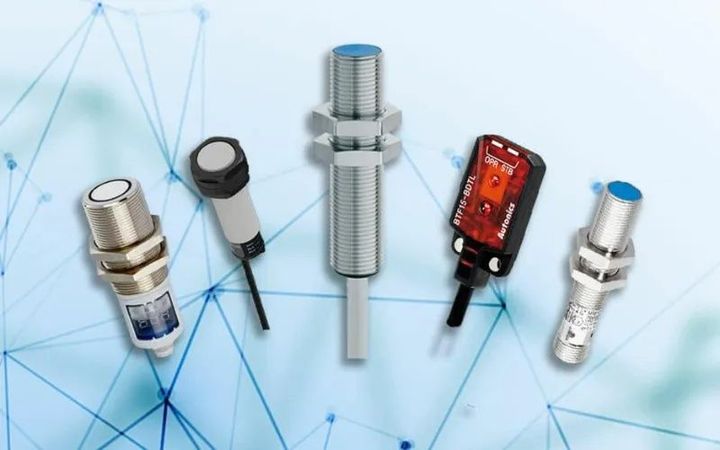
Proximity Sensors Overview: Learn Basics, Discover Facts & Practical Tips
Proximity sensors are electronic devices designed to detect the presence or absence of an object without physical contact. They are widely used in industrial automation, smart manufacturing, automotive systems, and IoT-based monitoring environments.
Unlike mechanical switches that require direct touch, proximity sensors rely on electromagnetic fields, light, sound waves, or changes in capacitance to identify nearby objects. This non-contact detection method improves reliability and reduces wear and tear.
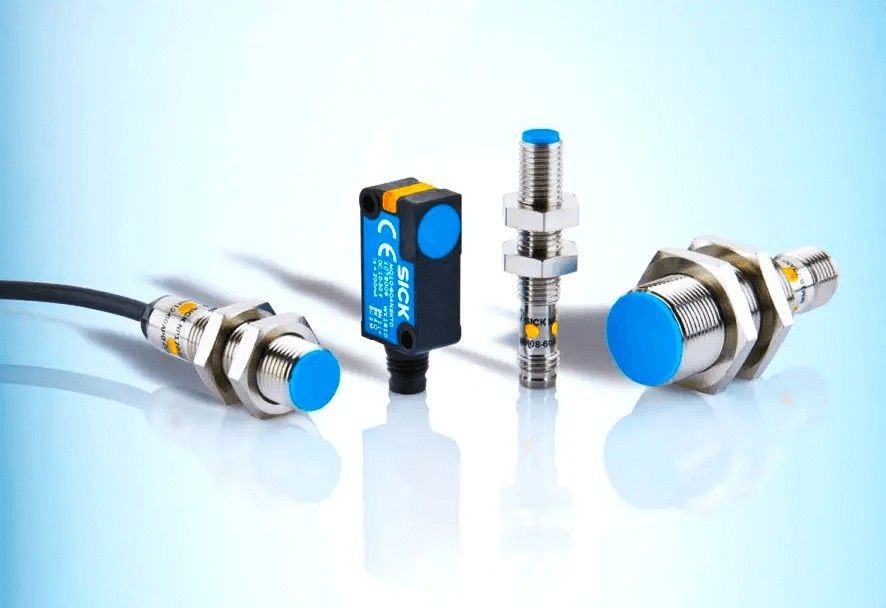
Proximity sensing technology exists to solve a simple but critical challenge: accurately detecting objects in dynamic environments where physical contact may cause damage, contamination, or mechanical failure. From conveyor belt systems to robotics and smart devices, proximity sensors support precise control and monitoring.
Common types include:
-
Inductive proximity sensors (detect metallic objects)
-
Capacitive proximity sensors (detect both metallic and non-metallic materials)
-
Photoelectric sensors (use light beams for detection)
-
Ultrasonic sensors (use sound waves for distance sensing)
These sensors form an essential component of modern PLC systems and embedded electronics used in automated production lines.
Why Proximity Sensors Matter Today
In today’s data-driven manufacturing and automation ecosystem, proximity sensors play a key role in efficiency, safety, and digital transformation.
As industrial automation and Industry 4.0 adoption increases, real-time object detection supports:
-
Machine positioning and alignment
-
Safety interlock systems
-
Robotics movement control
-
Packaging line monitoring
-
Predictive maintenance systems
The following table summarizes how different sensor types support industrial automation environments:
| Sensor Type | Detection Target | Typical Range | Common Applications |
|---|---|---|---|
| Inductive | Metallic objects | Short (mm–cm) | CNC machines, metal detection |
| Capacitive | Liquid, plastic, wood | Short–Medium | Level sensing, packaging |
| Photoelectric | Any object (reflective) | Medium–Long | Conveyor systems, counting |
| Ultrasonic | Solid or liquid | Medium–Long | Tank level monitoring |
The growing integration of IoT sensors into cloud-connected platforms means proximity sensors are no longer isolated components. They now feed data into analytics systems for:
-
Process optimization
-
Equipment health monitoring
-
Energy efficiency analysis
-
Digital twin simulations
This technology affects manufacturing plants, logistics centers, automotive assembly lines, and even consumer electronics industries. By preventing mechanical contact, sensors reduce downtime and improve operational safety standards.
Recent Developments and Technology Trends
Sensor technology continues to evolve with advancements in miniaturization, wireless connectivity, and AI-driven analytics. Recent industry updates highlight several trends:
-
Increased integration with edge computing systems
-
Growth in smart factory deployments
-
Development of compact, high-precision sensor modules
-
Improved electromagnetic interference (EMI) resistance
-
Enhanced environmental durability for harsh conditions
Manufacturers are focusing on sensors compatible with industrial Ethernet protocols and real-time communication standards. This supports seamless integration with programmable logic controllers and industrial IoT gateways.
Another notable shift is the rise of predictive maintenance systems powered by machine learning. Proximity sensor data is used to detect abnormal motion, misalignment, or part displacement before mechanical failure occurs.
Energy-efficient sensor designs are also gaining attention, supporting sustainability initiatives in automated manufacturing environments.
Laws, Regulations, and Compliance Considerations
Proximity sensors are influenced by national and international safety, quality, and environmental standards. While exact regulations differ by region, several general frameworks apply globally across industrial automation and electronics sectors.
Common regulatory areas include:
-
Electrical safety standards
-
Electromagnetic compatibility (EMC) compliance
-
Industrial machinery safety guidelines
-
Environmental and hazardous substance restrictions
-
Workplace safety requirements
Sensors used in industrial machinery often need certification to ensure compliance with equipment safety directives and occupational safety rules. In automated production systems, proper sensor installation is required to meet risk reduction guidelines and machine guarding standards.
Environmental regulations may also influence material selection and electronic component design, particularly in large-scale manufacturing operations.
Organizations adopting proximity sensor systems typically conduct:
-
Risk assessments
-
Functional safety validation
-
Compliance testing
-
Documentation audits
These processes help ensure that automation systems meet required operational and safety benchmarks.
Tools and Resources for Understanding Proximity Sensors
Several tools and resources can support learning and practical implementation of proximity sensing systems.
Technical tools:
-
PLC programming software
-
Industrial automation simulation platforms
-
Sensor configuration utilities
-
Electrical design software
-
Circuit simulation tools
Educational platforms:
-
Online engineering learning portals
-
Technical documentation from sensor manufacturers
-
Industrial automation training modules
-
Standards organization websites
Practical resources:
-
Wiring diagrams and datasheets
-
Industrial safety manuals
-
Application design templates
-
Calibration guides
Engineers and technicians often rely on diagnostic software and signal monitoring tools to test sensor performance in live industrial environments.
The graph below shows a simplified representation of detection range differences among common sensor types:
Detection Range Comparison (Conceptual)
Inductive: ███
Capacitive: ████
Photoelectric: ███████
Ultrasonic: ████████
This illustrates how photoelectric and ultrasonic sensors generally support longer detection distances compared to inductive and capacitive models.
Frequently Asked Questions
What is the main function of a proximity sensor?
A proximity sensor detects the presence or movement of an object without physical contact. It converts physical changes such as electromagnetic disturbance or reflected light into electrical signals used by control systems.
How is a proximity sensor different from a limit switch?
A limit switch requires physical contact to activate, while a proximity sensor uses non-contact detection methods. This reduces mechanical wear and increases durability in automated systems.
Can proximity sensors detect all materials?
Detection capability depends on the type of sensor. Inductive sensors detect metals only, while capacitive and ultrasonic sensors can detect non-metallic materials such as liquids or plastics.
Are proximity sensors suitable for harsh environments?
Many industrial-grade sensors are designed for dust, vibration, moisture, and temperature extremes. Proper selection based on environmental conditions is essential for reliable operation.
How do proximity sensors support predictive maintenance?
They monitor object positioning, alignment, and motion patterns. Abnormal signals can indicate potential mechanical issues, allowing maintenance teams to respond before system failure occurs.
Conclusion
Proximity sensors are foundational components in modern industrial automation, smart manufacturing, and IoT ecosystems. By enabling accurate non-contact detection, they improve safety, reduce equipment wear, and support high-efficiency production systems.
As automation technology advances, proximity sensors are becoming more intelligent, compact, and integrated into digital monitoring platforms. Their role in predictive maintenance, data analytics, and Industry 4.0 transformation continues to expand.
Understanding how these sensors work, where they are applied, and how they align with regulatory standards helps organizations design safer and more efficient automation systems.