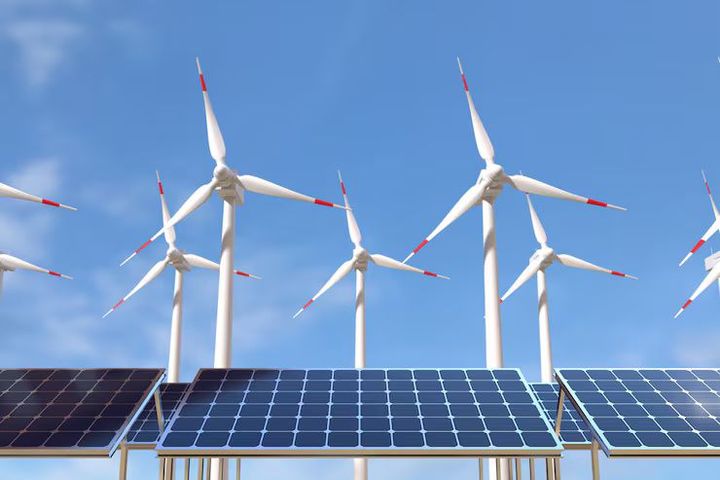
Renewable Power Equipment: Guide to Clean Energy Systems
Renewable power equipment includes the technologies used to generate, convert, store, monitor, and distribute electricity from sources such as solar, wind, hydro, and geothermal energy. Understanding these systems helps households, businesses, utilities, and policymakers plan reliable clean-energy infrastructure.
Renewable power equipment refers to the hardware and supporting technologies used to produce electricity from renewable energy sources. Unlike conventional power systems that primarily depend on fossil fuels, renewable systems use naturally replenished resources such as sunlight, wind, flowing water, and geothermal heat.
The equipment varies according to the energy source. Common examples include:
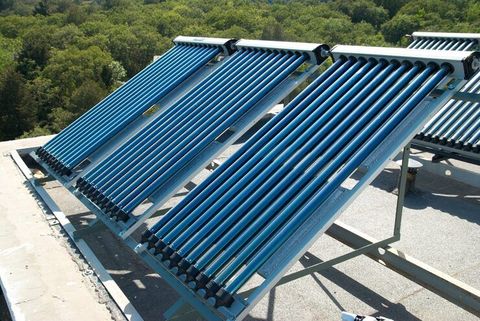
- Solar photovoltaic panels and inverters
- Wind turbines and turbine control systems
- Hydropower turbines and generators
- Battery energy storage systems
- Power conversion equipment
- Transformers and switchgear
- Energy monitoring and management systems
The broader renewable energy equipment market exists because electricity demand continues to grow while power systems need lower-emission generation and greater flexibility. Modern renewable infrastructure therefore combines generation equipment with storage, grid integration, monitoring, and power management technologies.
Importance
Renewable power equipment is increasingly important for electricity generation, industrial facilities, commercial buildings, rural electrification, and utility-scale power projects.
Solar and wind generation are variable, meaning their output can change according to weather and time of day. This creates a need for complementary technologies such as battery energy storage, advanced inverters, forecasting systems, and grid management equipment.
The equipment can help address several practical challenges:
- Increasing electricity demand
- Integration of variable renewable generation
- Energy storage requirements
- Grid reliability and flexibility
- Remote-area electricity access
- Reduction of dependence on conventional generation
Solar PV has become particularly significant. The International Energy Agency reported that global renewable capacity additions reached about 800 GW in 2025, with solar PV representing more than three-quarters of new renewable capacity.
Recent Updates
The renewable power equipment landscape changed considerably during 2025 and 2026.
In its 2026 Global Energy Review, the IEA reported that global renewable capacity additions increased 16% in 2025. Solar PV additions exceeded 600 GW for the first time, while annual wind additions reached approximately 160 GW. India recorded almost 50 GW of new solar PV capacity and more than 6 GW of wind capacity during 2025.
Battery energy storage also expanded rapidly. Global battery storage additions increased by around 40% in 2025, reaching almost 110 GW. This highlights the growing relationship between renewable generation, energy storage systems, and grid flexibility.
The IEA's 2026 electricity outlook also indicates that renewable electricity generation is expected to overtake coal-fired generation globally during 2026, although actual generation can vary with weather and hydropower conditions.
Laws or Policies
In India, renewable power equipment is influenced by policies and technical frameworks administered through national and state-level authorities.
The Ministry of New and Renewable Energy maintains policies and guidelines covering solar, wind, hybrid renewable projects, and renewable projects incorporating energy storage.
Equipment standards and approved-component frameworks are also important. In July 2026, MNRE published updates concerning the Approved Lists of Models and Manufacturers for solar PV cells and modules, along with implementation of the Solar Systems, Devices and Components Goods Order 2025.
Project developers and equipment planners should therefore check the latest national rules, applicable electricity regulations, technical standards, and state-level requirements before making technical decisions.
Tools and Resources
Several general resources can help people understand and evaluate renewable power equipment:
- Solar irradiation and wind-resource assessment tools
- Renewable energy potential maps
- Solar PV system sizing calculators
- Battery storage sizing worksheets
- Electricity-load calculators
- Energy-generation forecasting tools
- Grid-integration planning templates
- Equipment performance datasheets
- Energy monitoring dashboards
- Government renewable-energy policy portals
These resources can help compare technical requirements, estimate generation patterns, understand storage needs, and evaluate how renewable equipment interacts with electrical infrastructure.
FAQs
What is renewable power equipment?
It is equipment used to generate, convert, store, control, monitor, or distribute electricity produced from renewable energy sources.
What equipment is commonly used in solar power systems?
Typical components include photovoltaic modules, inverters, mounting structures, electrical protection equipment, monitoring systems, and, where required, battery storage.
Why is battery storage important for renewable energy?
Storage can retain electricity for later use and help balance changes in renewable generation, particularly when solar or wind output fluctuates.
Is renewable power equipment only used for large power plants?
No. Equipment can be used in utility-scale projects as well as residential, commercial, industrial, agricultural, and remote-area applications.
What should be considered when selecting equipment?
Important considerations include resource availability, electrical characteristics, system capacity, environmental conditions, compatibility, safety requirements, maintenance needs, and applicable regulations.
Conclusion
Renewable power equipment is a central part of the transition toward modern electricity systems. Solar PV, wind turbines, battery energy storage, power electronics, grid equipment, and monitoring technologies increasingly operate as interconnected systems rather than isolated components.
Recent growth shows strong expansion, particularly in solar PV and battery storage, while challenges involving grid integration, supply chains, regulation, and system flexibility remain important. For anyone researching renewable energy infrastructure, understanding how each equipment category works and how the components interact provides a useful foundation for informed planning.
Disclaimer
This article provides general educational information about renewable power equipment and related policies. Regulations, technical standards, and government programs can change, so readers should verify current requirements with the relevant authorities before making technical or infrastructure decisions.