Rubber Sheet Industry Trends and Eco-Friendly Alternatives
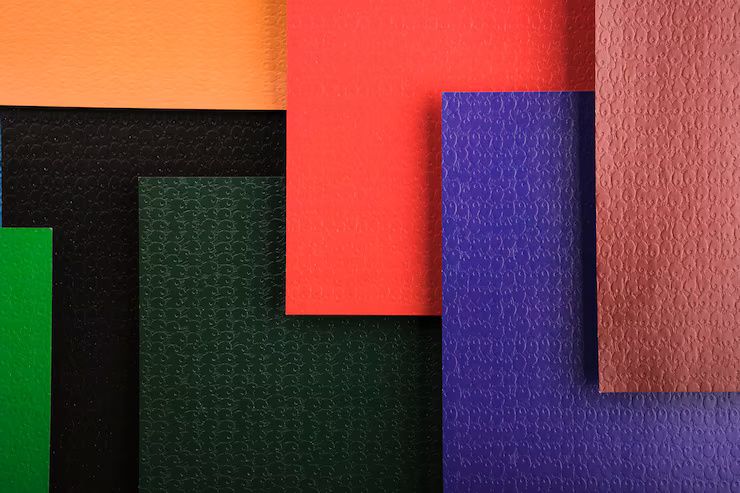
Rubber sheets are flat, durable sheets made of natural or synthetic rubber and are widely used in industries such as construction, motor vehicles, health care and production. They serve dimensions such as sealing, floors, insulation and vibrations.
The demand for rubber sheets exists due to their versatility and durability in everyday applications from machine gaskets to protective floors. Over time, the industry has moved to synthetic rubber from severe addiction to natural rubber and is now moving towards environmentally friendly alternatives.
Importance
The rubber land industry plays an important role in both industrial operations and consumer products. Some of the main reasons is that it includes:
Industrial addiction: Factory equipment uses maintenance, sealing systems and rubber sheets in the floor.
Application of motor vehicles: tires, seals and components under hood requires sustainable rubber content.
Use of health services: Medical equipment and protective surfaces are often dependent on rubber sheets.
Environmental considerations: The industry faces the challenges of stability due to deforestation (natural rubber) and petroleum -based production (synthetic rubber).
This means not only to manufacturers, but also for permanent solutions that try to balance industrial development with environmental responsibility and companies seeking governments.
Newer updates
The rubber sheets have seen many developments over the past year:
Increasing demand for construction (2023–2024): Increased infrastructure projects around the world have promoted the use of industrial rubber sheets for flooring and sealing.
Environmentally friendly innovation (2024): Companies experiment with natural latex, rice shell composite and biodegradable rubber sheets taken from recycled rubber.
Price Instability: Global rubber prices in 2024 swung in the largest rubber-producing area due to disruption in the supply in Southeast Asia.
Changes in circular economy: Manufacturers are beginning to recycle initiatives and encourage companies to reuse and reproduce rubber sheets.
Laws or guidelines
Rubber production and use are affected by many rules in different countries:
Environmental standards: Industries in many countries, including members of the EU, need industries to reduce emissions and use permanent material sourcing.
Reach Regulation (Europe): ensures that chemicals used in rubber sheets are observed safety standards.
BIS Standards (India): Bureau of Indian Standards (BIS) Mandatory quality and safety specifications for rubber sheets used in industrial applications.
Recycling policy: Nations such as Japan and Germany encourage rubber waste recycling during the waste management structure.
Forest harvest control: Countries that produce natural rubber such as Thailand and Indonesia are under global pressure to implement land use rules to reduce deforestation.
Tools and resources
Many tools and resource companies and consumers can help understand better and use rubber sheets:
Material Calculator: Online calculator to assess the required area for the thickness of the sheet and area required for industrial applications.
Test sets: Rubber equipment equipment, resistance and quality control.
Industry Cord: Market Survey Forum (eg Statistical, Grand View Research) provides detailed insight.
Organizations such as ECO-Promotion Body: FSC (One Stewardship Council) certifies sustainable rubber production.
Government Portals: Many Ministry of Trade Publish Import/Export Guidelines and Quality Standards for Rubber Products.
Table: Comparison of rubber sheets
| Type of Rubber Sheet | Key Material | Applications | Sustainability Level |
|---|---|---|---|
| Natural Rubber | Latex (plant-based) | Gaskets, flooring, insulation | Moderate (deforestation risk) |
| Synthetic Rubber | Petroleum-based | Automotive, heavy machinery | Low (fossil fuel use) |
| Recycled Rubber | Reprocessed scrap | Sports flooring, mats | High (circular economy) |
| Biodegradable Rubber | Natural blends, composites | Consumer products, eco-mats | Very High |
question to ask
Q1. What is the main use of rubber sheets?
Rubber sheets are used to reduce sealing, flooring, insulation and vibration in industries. They are also common in health care, motor vehicles and consumer products.
Q2. Is environmentally friendly rubber sheets widely available?
Yes, biodegradable and recycled rubber sheets gain popularity, especially in floors, mats and general applications. Accessibility depends on regional markets.
Q3. How does synthetic rubber stand out from natural rubber?
Synthetic rubber is petroleum -based, which provides high resistance to heat and chemicals, while natural rubber is plant -based and is known for elasticity and strength.
Q4. Does rules affect rubber sheets?
Politics such as the EU series, BIS in India and recycling instructions in Europe and Asia affect how rubber sheets are produced and distributed.
Q5. Is the recycled rubber durable?
Yes, recycled rubber is durable and works well for floors, sports mats and outdoor applications, although it may not always match the elasticity of natural rubber.
Final thoughts
The rubber land industry is at a junction where traditional production methods meet the growing demand for environmentally friendly alternatives. With strict rules, global stability goals and consumers' preference for green products, the industry is inward to biodegradable and recycled materials. For companies, engineers and decision makers, this change presents both challenges and opportunities to balance performance, costs and environmental impact.