Smart Home Lighting Overview: Learn the Basics, Insights, and Practical Tips
Smart home lighting refers to lighting systems that can be controlled digitally instead of using only traditional wall switches. These systems often connect through wireless technologies such as Wi-Fi, Bluetooth, or dedicated home automation protocols. Users can manage lighting through mobile applications, voice assistants, or automated schedules.
The concept exists to improve control, flexibility, and efficiency in everyday lighting use. Traditional lighting provides basic on-off functionality, while smart lighting adds features like dimming, color adjustment, motion response, and remote access. These capabilities allow lighting to adapt more closely to daily routines, environmental conditions, and user preferences.
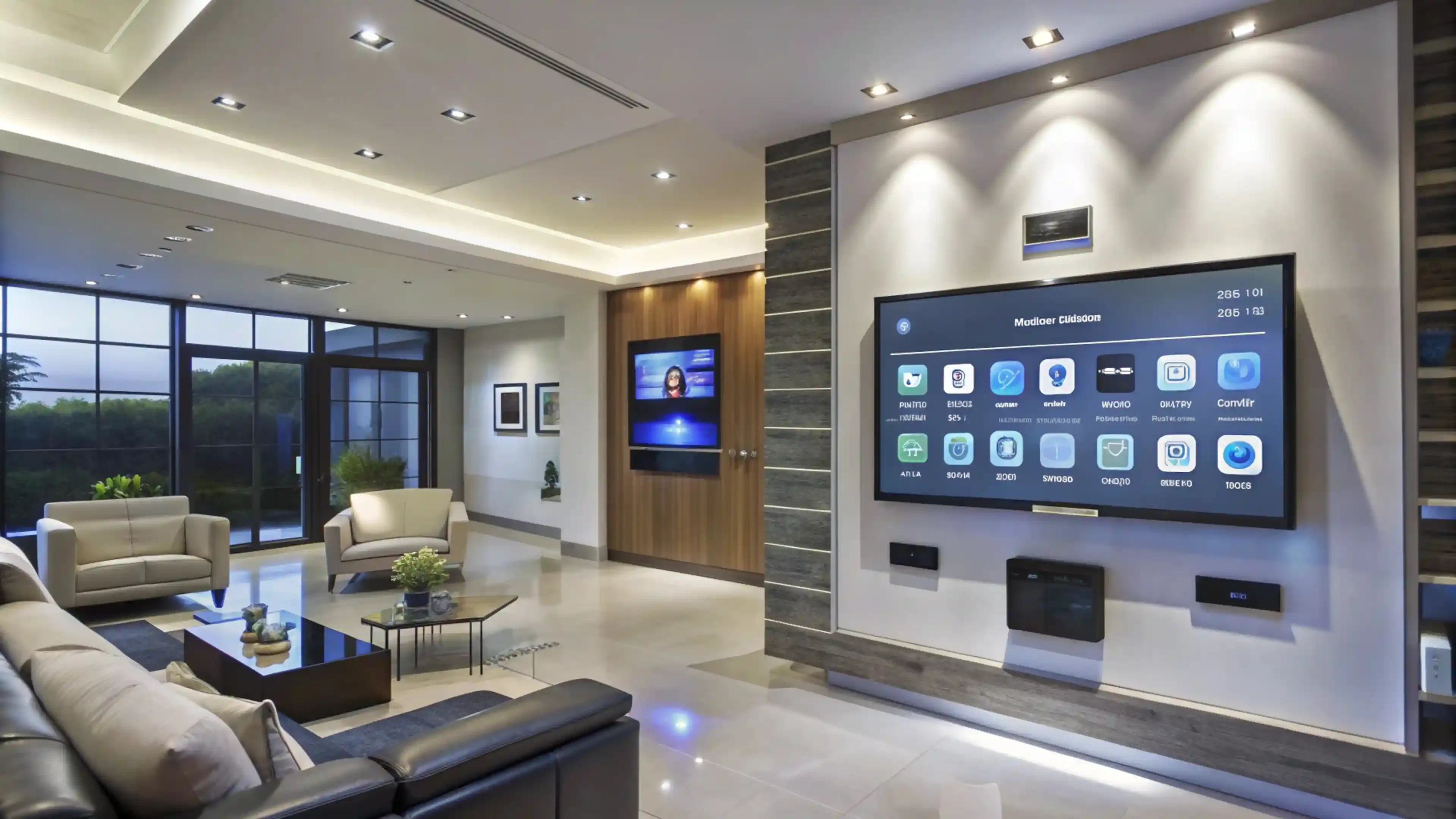
Smart lighting is commonly used in homes, apartments, offices, and mixed-use buildings. It often forms a foundational part of broader smart home systems that include security, climate control, and energy monitoring.
Importance: Why Smart Home Lighting Matters Today
Lighting plays a major role in comfort, productivity, and energy usage. Smart home lighting addresses several modern challenges related to these areas.
For households, it improves convenience by reducing manual effort and allowing centralized control. For property managers and building operators, it supports better energy optimization and monitoring. For individuals with accessibility needs, smart lighting can reduce physical strain by enabling hands-free control.
Key problems it helps solve include:
-
Inefficient energy usage caused by lights being left on
-
Limited control over brightness and ambiance
-
Difficulty managing lighting across multiple rooms
-
Lack of automation for daily routines
Smart lighting also supports sustainable living goals by enabling more precise energy consumption patterns. When combined with sensors and schedules, lighting is used only when needed, which reduces unnecessary power use.
Recent Updates: Trends and Developments in Smart Lighting
Recent developments in smart home lighting focus on improved interoperability, smarter automation, and enhanced user experience.
One notable trend is the wider adoption of unified connectivity standards. These standards allow devices from different manufacturers to work together more reliably, reducing compatibility issues for users.
Another update is the increased use of adaptive lighting. Systems now adjust brightness and color temperature automatically based on time of day, ambient light, or user behavior patterns. This supports comfort and visual well-being.
Artificial intelligence features are also becoming more common. Learning algorithms analyze usage patterns to suggest or apply lighting adjustments without manual input.
Common recent improvements include:
-
Faster device response times
-
Improved app interfaces
-
Expanded voice assistant integration
-
More accurate motion and occupancy detection
Laws or Policies: How Regulations Influence Smart Lighting
Smart home lighting is influenced by general safety, energy efficiency, and data protection regulations rather than lighting-specific laws. Electrical safety standards govern how lighting devices are designed and installed to reduce fire and electrical risks.
Energy efficiency guidelines encourage the use of low-consumption lighting technologies, such as LED-based smart bulbs and fixtures. These guidelines influence product design and labeling practices.
Privacy and data protection policies also affect smart lighting systems that collect usage data. Manufacturers are typically required to implement safeguards for data handling, storage, and user consent.
While regulations vary by region, the overall policy direction supports safer, more efficient, and more transparent smart lighting solutions.
Tools and Resources: Helpful Platforms and Learning Aids
Several tools and resources help users understand and manage smart home lighting effectively.
Commonly used tools include:
-
Smart lighting mobile applications for centralized control
-
Home automation dashboards for multi-device management
-
Energy usage monitoring platforms
-
Voice assistant ecosystems for hands-free interaction
-
Lighting planning templates for room-by-room setup
Example comparison table of control methods:
| Control Method | Main Function | Typical Use Case |
|---|---|---|
| Mobile App | Full customization | Daily control and automation |
| Voice Control | Hands-free commands | Accessibility and convenience |
| Motion Sensors | Automatic activation | Hallways and entry areas |
| Schedules | Time-based control | Routine lighting patterns |
These resources help users make informed decisions and improve everyday lighting experiences without technical complexity.
Practical Insights: How Smart Lighting Works in Daily Life
Smart lighting systems operate through a combination of hardware and software. The hardware includes bulbs, switches, hubs, and sensors. The software includes apps, automation rules, and cloud or local processing.
A typical setup allows users to:
-
Adjust brightness and color temperature
-
Group lights by room or function
-
Create routines such as morning or evening modes
-
Respond automatically to motion or daylight changes
Simple automation example:
| Trigger | Action | Outcome |
|---|---|---|
| Motion detected | Light turns on | Improved safety |
| No movement | Light turns off | Reduced energy use |
| Sunset | Warm lighting activates | Improved comfort |
These features make lighting more responsive and aligned with real-world behavior.
FAQs: Common Questions About Smart Home Lighting
What is required to start using smart home lighting?
Most systems require compatible light fixtures, a wireless connection, and a control application or hub.
Does smart lighting work during power interruptions?
Basic lighting functions resume when power returns, while advanced features may depend on network availability.
Is smart lighting suitable for large homes?
Yes. Many systems are designed to scale across multiple rooms and floors using grouped controls.
Can smart lighting operate without voice assistants?
Yes. Voice control is optional, and most systems work through apps or automated rules.
How secure are smart lighting systems?
Security depends on encryption, authentication methods, and regular software updates provided by manufacturers.
Conclusion: Understanding the Value of Smart Home Lighting
Smart home lighting represents a shift from static illumination to adaptive, intelligent environments. By combining digital control, automation, and energy awareness, it enhances everyday living without adding complexity.
As technology continues to evolve, smart lighting is becoming more intuitive, interoperable, and efficient. Understanding its basics, importance, and practical use helps users make informed choices and build lighting setups that align with modern living needs.