Space-Saving Office Layout Furniture: Explore Guide, Tips, Insights, and Smart Design Ideas
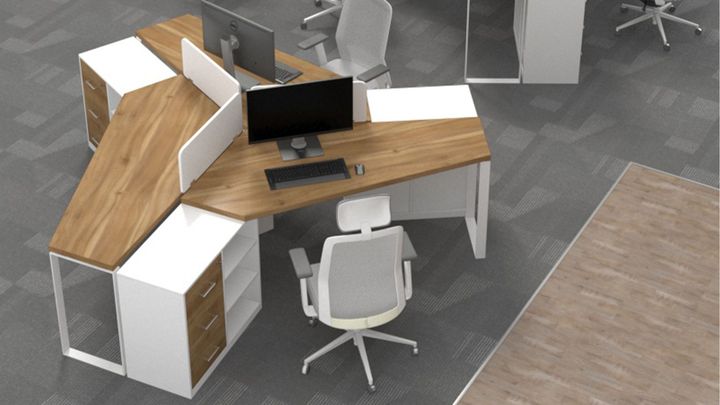
Space-saving office layout furniture refers to furniture designs and workspace arrangements that help maximize available office space while maintaining comfort, productivity, and organization. In modern workplaces, efficient use of space has become a central element of office planning and workplace management.
Offices today vary widely in size and structure, ranging from compact home workspaces to open-plan corporate environments. As businesses adapt to flexible work models and hybrid work schedules, the need for adaptable furniture and efficient layouts has increased. Space-saving furniture includes items such as modular desks, foldable workstations, wall-mounted storage systems, and compact ergonomic seating.
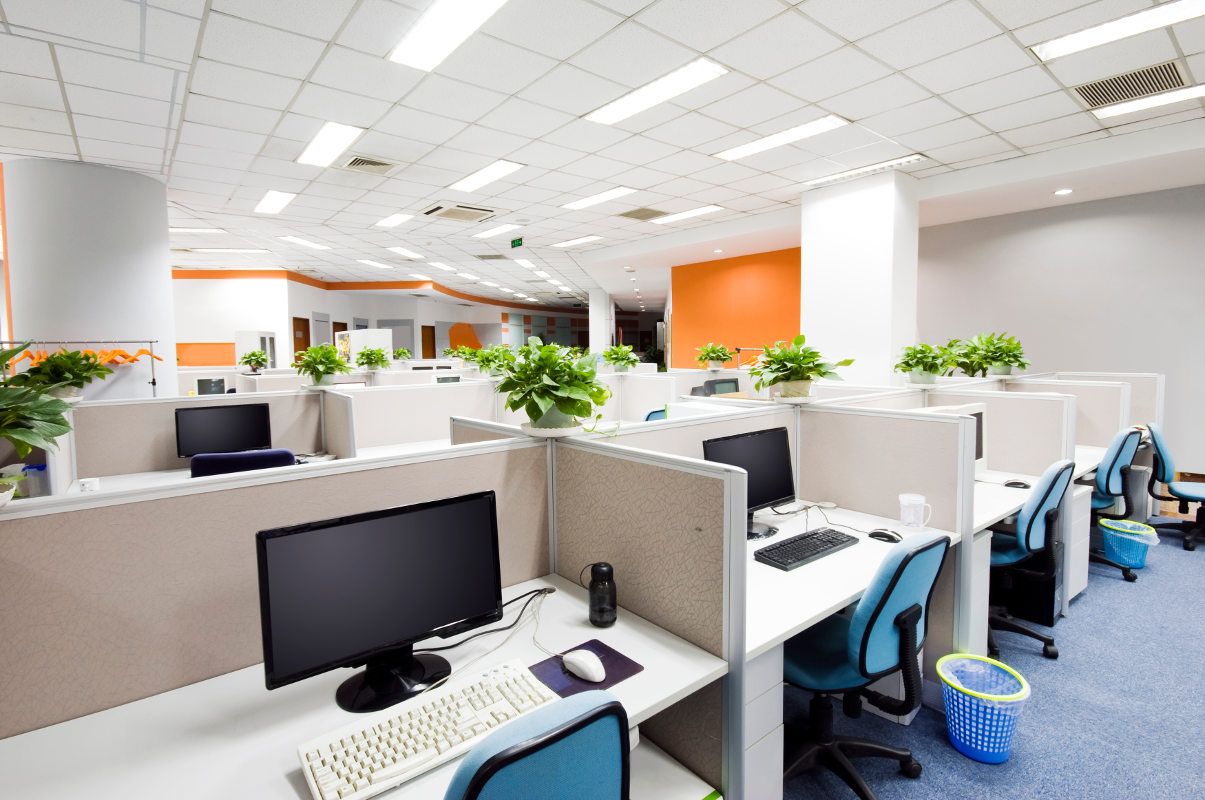
The concept exists because traditional office layouts often consumed large amounts of floor space and limited flexibility. Earlier workplace designs frequently relied on bulky desks, fixed cubicles, and large filing cabinets. These setups worked well in large buildings but became inefficient in smaller offices or shared workspaces.
Modern workspace planning focuses on functionality and efficient spatial design. Furniture manufacturers and workplace designers now develop solutions that combine storage, ergonomics, and flexibility. Examples include desks with built-in cable management, mobile storage units, stackable seating, and collaborative workspace tables.
Another reason this topic has gained attention is the rise of home offices. As remote work became more common during the early 2020s, individuals began exploring compact furniture that fits comfortably within residential spaces. Space-saving furniture allows small rooms to function as productive work areas without overcrowding the environment.
Overall, space-saving office layout furniture represents a shift toward smarter workspace planning. Instead of simply filling a room with desks and chairs, modern layouts consider movement, comfort, accessibility, and efficient use of space.
Why Space-Saving Office Layout Furniture Matters Today
Efficient workspace design has become increasingly important as organizations attempt to improve productivity, employee well-being, and operational efficiency. Office environments influence how people collaborate, concentrate, and manage daily tasks.
Several factors explain why space-saving office layouts are relevant today.
First, many businesses operate in urban locations where office space is limited. Cities often have higher property costs and smaller floor areas, encouraging companies to use every square meter effectively. Space-saving layouts allow organizations to accommodate more workstations without overcrowding employees.
Second, hybrid work models have changed how offices are used. Many companies now rotate employees between remote and in-office work schedules. As a result, workspaces must support shared desks, collaborative areas, and flexible seating arrangements.
Third, workspace design affects employee comfort and productivity. Cluttered environments can reduce concentration and create unnecessary stress. By contrast, well-planned layouts with ergonomic furniture and organized storage systems help create calm, efficient work environments.
The following table highlights how space-saving furniture contributes to workplace efficiency.
| Workspace Element | Traditional Office Setup | Space-Saving Layout |
|---|---|---|
| Desk Design | Large fixed desks | Compact modular desks |
| Storage | Filing cabinets | Vertical shelving |
| Seating | Static seating rows | Flexible seating zones |
| Collaboration Areas | Separate meeting rooms | Shared multipurpose tables |
| Movement Space | Limited circulation | Open pathways |
Space-saving layouts also support modern workplace technology. Many contemporary desks integrate cable management channels, monitor mounts, and charging stations. These features help reduce clutter from wires and devices, creating a cleaner workspace.
Another advantage is improved collaboration. Flexible furniture arrangements allow teams to reorganize spaces for meetings, brainstorming sessions, or focused individual work.
In general, efficient office layouts solve several common problems:
-
Limited workspace in urban offices
-
Clutter caused by equipment and documents
-
Lack of flexibility in traditional office layouts
-
Inefficient movement within the workplace
By addressing these challenges, space-saving office design helps create environments that support both productivity and comfort.
Recent Trends and Developments in Workspace Design
Workspace design trends have evolved rapidly over the past few years as organizations rethink how offices function. Several developments during 2024 and 2025 have influenced space-saving furniture strategies.
One notable trend is the growing use of modular office furniture. Modular systems allow desks, storage units, and workstations to be rearranged easily. Companies can adapt layouts as team sizes or project requirements change.
In early 2025, several global workplace research reports highlighted a rise in compact workstation solutions designed for hybrid offices. These workstations often combine desks, shelving, and acoustic panels within a small footprint.
Another trend involves multifunctional furniture. Designers are increasingly developing desks that serve multiple purposes. Examples include adjustable standing desks with integrated storage or meeting tables that convert into collaborative workspaces.
Flexible office zones have also become common. Instead of assigning fixed desks to employees, offices often include a mix of workspace types:
-
Focus zones for individual tasks
-
Collaboration areas for team discussions
-
Quiet pods for virtual meetings
-
Shared tables for group projects
Sustainability has also become a major consideration. Many furniture manufacturers now use recyclable materials, low-emission coatings, and environmentally responsible production processes. In 2024 and 2025, sustainability certifications gained importance in workplace procurement policies.
The chart below summarizes key workspace design trends observed in recent workplace planning research.
| Trend | Description |
|---|---|
| Modular furniture systems | Adjustable layouts and movable components |
| Multifunctional desks | Desks that combine storage, technology, and workspace |
| Hybrid office design | Flexible seating and shared workstations |
| Sustainable materials | Environmentally responsible furniture production |
| Compact ergonomic seating | Chairs designed for comfort in smaller spaces |
These trends indicate that office layouts are shifting toward adaptability and efficiency rather than rigid structural design.
Regulations and Policies Affecting Office Layout Design
Workspace design is often influenced by national or regional regulations related to workplace safety, ergonomics, and accessibility. These rules help ensure that office environments remain safe and comfortable for employees.
In India, workplace design is influenced by several regulatory frameworks. Occupational safety standards emphasize safe working conditions, adequate lighting, ventilation, and ergonomic considerations.
The Occupational Safety, Health and Working Conditions Code (OSH Code), implemented in 2020 and gradually adopted across sectors, provides guidelines for workplace safety and employee welfare. Although it does not focus specifically on furniture design, it encourages safe workplace layouts that reduce hazards and promote employee well-being.
Accessibility standards also influence office layouts. Public offices and large corporate workplaces often follow accessibility guidelines that ensure individuals with disabilities can navigate workspaces comfortably. These standards may include requirements for walkway width, desk accessibility, and barrier-free movement.
Fire safety regulations also affect office planning. Layouts must maintain clear exit pathways and avoid obstructing emergency routes. Space-saving furniture can actually help meet these requirements by reducing clutter and improving movement through the office.
Some organizations also follow international ergonomic standards such as ISO guidelines related to office workstations and human interaction with computer equipment. These guidelines encourage proper seating posture, adjustable desk height, and appropriate monitor placement.
Overall, regulations focus on creating workspaces that balance efficiency with employee safety and accessibility.
Tools and Resources for Office Layout Planning
Designing a space-efficient office layout often involves digital tools, planning software, and practical resources that help visualize and organize workspaces effectively.
Several workspace planning tools are widely used by designers, facility managers, and individuals setting up home offices.
Workspace design tools often include features such as floor plan creation, furniture placement simulations, and ergonomic assessments. These tools help visualize how different furniture arrangements affect movement and space utilization.
Common categories of helpful resources include:
Workspace Planning Software
-
Floor plan design platforms
-
3D office layout visualization tools
-
Workspace simulation software
Productivity and Workspace Organization Tools
-
Digital desk layout planners
-
Workspace organization templates
-
Ergonomic workstation checklists
Reference Resources
-
Office ergonomics guidelines
-
workspace design research reports
-
architecture and workplace design publications
The following table summarizes common resource types used in office layout planning.
| Resource Type | Purpose |
|---|---|
| Floor planning software | Visualizing room layouts |
| Ergonomic assessment tools | Evaluating desk and chair positioning |
| Workspace templates | Planning desk arrangements |
| Interior design references | Exploring workspace design concepts |
| Organization systems | Improving document and equipment storage |
Using these tools allows individuals and organizations to experiment with different layouts before physically rearranging furniture. This reduces design errors and helps optimize workspace efficiency.
Frequently Asked Questions
What is space-saving office layout furniture?
Space-saving office layout furniture refers to furniture designed to maximize available workspace while maintaining comfort and functionality. Examples include modular desks, wall-mounted shelves, and foldable workstations.
How does office layout affect productivity?
Workspace design influences movement, comfort, and organization. Efficient layouts reduce clutter, improve accessibility to equipment, and create environments that support concentration and collaboration.
Is space-saving furniture useful for home offices?
Yes. Compact furniture designs are particularly helpful for home offices where space may be limited. Many modern desks and storage units are designed specifically for small rooms.
What features are common in modern office furniture?
Modern office furniture often includes ergonomic seating, modular designs, cable management systems, adjustable desk heights, and integrated storage solutions.
Why are modular office layouts becoming popular?
Modular layouts allow organizations to reconfigure office spaces easily as teams grow or work patterns change. This flexibility supports hybrid work environments and collaborative work styles.
Conclusion
Space-saving office layout furniture plays an important role in modern workspace design. As office environments evolve, organizations and individuals increasingly prioritize layouts that maximize space, support productivity, and maintain comfort.
Efficient workspace planning involves more than simply selecting smaller furniture. It requires thoughtful arrangement of desks, storage systems, and collaborative areas to ensure that movement, accessibility, and ergonomics are properly balanced.
Recent trends in modular furniture, hybrid office layouts, and sustainable design highlight how workspace planning continues to evolve. At the same time, workplace safety regulations and ergonomic guidelines ensure that office environments remain safe and functional.