A Complete Guide to Metal Furniture and Its Benefits
Metal furniture, offices and industrial goods are mainly made of materials such as steel, aluminum, iron or alloys. These pieces range from chairs, desks and storage devices to bed frames, cold bags and outdoor sets.
The emergence of metal furniture began during the industrial age when stability and mass production became priorities. Over time, it developed in a reliable alternative for homes, businesses and public places, valued for their strength, long service life and adaptability.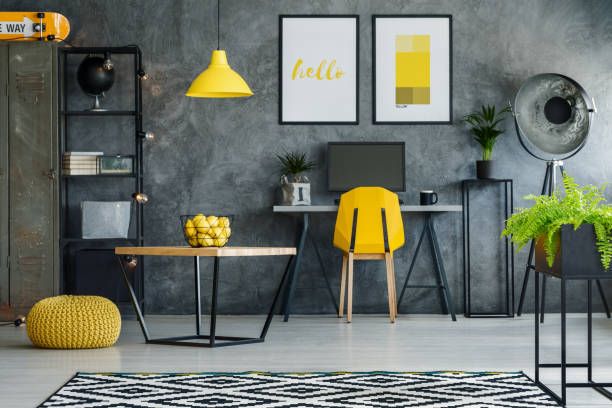
Today, there are metal furniture in almost all surroundings - from modern minimum apartments to schools, hospitals and business offices. Its popularity is associated with both practical characteristics and developed design trends.
Importance
Metal furniture plays an important role in contemporary life and fields. Its significance derives from many factors:
Cleanliness: Unlike wood or plastic, metal war is resistant to cracks and insect damage.
Safety: In a fire-prone or highly utilized environment, the non-combustible nature of the metal gives an extra layer of protection.
Low maintenance: Metal furniture often requires only basic cleaning and current examination for war or scratches.
Cost skills: Although sometimes in the beginning, expensive life reduces the need for frequent replacement.
Design flexibility: Metals can be cast, coated and eliminated in countless ways, so that they can be suitable for both traditional and modern aesthetics.
This combination of functions makes metal furniture relevant to homeowners, businesses, institutions and even external applications.
Newer updates
Over the past year, trends in the furniture market have postponed the metal as the selected content, especially in combination with other materials such as glass, wood or upholstery.
Hybrid design (2024–2025): A rising trend combines a metal frame with a tree top or fabric pad, and offers both power and comfort.
Stability focus: Manufacturers use recycled metals to reduce environmental effects.
POWDER-COTING Innovation: Powder expands the life of metal furniture and offers more color and texture options in the anti-restored finish.
Lightweight solutions: New aluminum alloys make furniture easier to transport and gather without giving up strength.
Smart integration: In office settings, metal desks and cabinets with underlying charging gates or cable administration features now come.
This development shows how metal furniture is suitable for lifestyle changes, stability goals and workplace needs.
Laws or guidelines
The production and use of metal furniture is subject to different laws and standards based on land. The purpose of these guidelines is to ensure safety, quality and stability.
Safety standards: Rules such as ANSI/BIFMA (I U.S.) sets the shelf life and stability of scale for office furniture including metal -based products.
Environmental rules: Many fields encourage the use of recycled metals and need safe settlement practices for industrial waste.
Fire safety code: Because metal is fireproof, it often meets strict security code in public institutions such as schools and hospitals.
Import and business policy: Some governments regulate the import of metal furniture to support local industries or implement quality controls.
Guidelines for workplaces: In the office and the industrial environment, furniture must meet ergonomic standards to protect workers' health.
Awareness of these guidelines ensures that manufacturers and buyers choose furniture that are obedient, safe and durable.
Tools and resources
Many tools and resource companies and individuals can help make appropriate decisions on metal furniture:
Furniture Standard guides: Organizations such as BIFMA and ISO provide downloadable documents that describe quality and safety requirements.
Cost calculator: Online tools estimate the cost of metal furniture life compared to alternatives such as wood or plastic.
Interior design apps: Platform users such as sketchups or room styles let users imagine how metal furniture will look in one place.
Sustainability Database: Sites such as Green Seal or Ecolabel highlight manufacturers using recycled or environmentally friendly materials.
Retail and auction platforms: Online marketplaces show both new and renewed metal furniture options, and help buyers compare durability and value.
Using these resources simplifies decision-making and ensures that the chosen furniture matches budget, safety and stability goals.
Comparison of furniture material
To better understand the unique place of metal furniture, it helps to compare it with other common materials:
| Feature | Metal | Wood | Plastic |
|---|---|---|---|
| Durability | Very high; long lifespan | Moderate; can warp or crack | Moderate; may weaken over time |
| Maintenance | Low; occasional rust check | Regular polishing needed | Easy cleaning, less repairable |
| Fire Resistance | Non-combustible | Combustible | Melts at high temperatures |
| Sustainability | Recyclable | Renewable if responsibly sourced | Often non-recyclable |
| Design Flexibility | Wide variety of coatings/finishes | Traditional and versatile | Limited structural strength |
This table shows why metal is often selected for highly utilized environments where there is durability and security priorities.
question to ask
What type of metal is most often used in furniture?
Steel, aluminum and coined iron are the most common. Steel is strong, aluminum is light and rust resistant, and coined iron is often used for decorative exterior pieces.
Are metal furniture suitable for external use?
Yes, especially when treated with powder or corrosion resistant finish. Aluminum is especially popular for external furniture.
Does metal furniture require special care?
Generally no. Most metal furniture only requires regular dust or wipe. For external use, a check for rust or sticky coating is sometimes recommended.
Are metal furniture environmentally friendly?
Metal furniture can be environmentally friendly if made of recycled materials. Unlike plastic, it is heavily recycled at the end of the life cycle.
How are metal furniture compared to wood?
The pre -calculation cost can be higher, but its long life often makes it more cost -effective over time.
Final thoughts
Metal Furniture has served its place as a reliable and versatile alternative to homes, offices and public places. Its durability, safety and design adaptation make it suitable for a variety of environments.
Recent innovations - from permanent materials to smart office integration - explain how this type of furniture develops with modern needs. Supported by security and environmental policy, offers metal furniture both practical and long-lasting values.
For those who want to balance durability, style and stability, metal furniture is still a strong alternative worth considering.