Concrete Screeds Explained: Learn Basics, Details & Advice
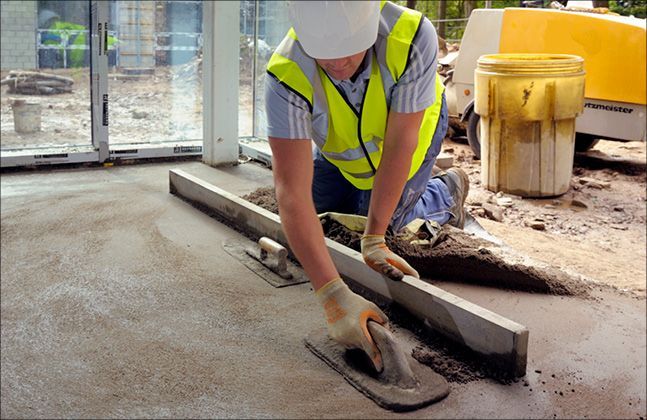
Concrete screeds are thin layers of material applied over a structural concrete slab to create a smooth, level surface. They serve as a finishing base for floor coverings such as tiles, wood flooring, vinyl, carpet, or polished concrete systems.
In construction, the base slab often has minor unevenness. Screeding corrects these irregularities and provides the precise flatness required for modern flooring systems. The screed layer may also embed underfloor heating systems, improve load distribution, and enhance durability.
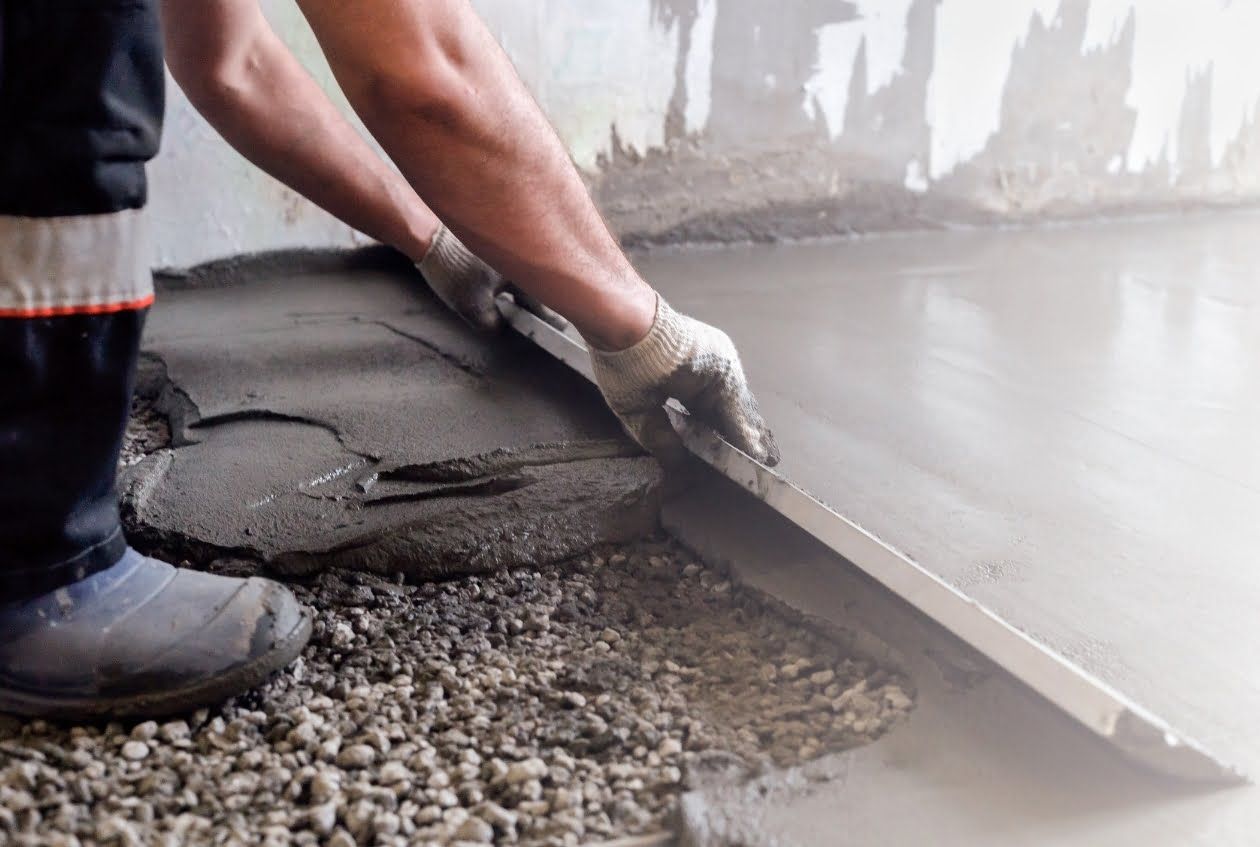
Screeds are usually made from a mixture of cement, sand, and water. Depending on performance requirements, additives or fibers may be included to improve strength, flexibility, or drying time.
Common types include:
-
Bonded screed (attached directly to the concrete slab)
-
Unbonded screed (separated by a membrane)
-
Floating screed (installed over insulation layers)
-
Self-leveling screed (flowing, cementitious or gypsum-based compounds)
-
Fiber-reinforced screed (improved crack resistance)
Traditional screeds are semi-dry and manually leveled. Modern systems may use pump-applied or laser-guided techniques for precision floor leveling.
Below is a simplified comparison of common screed types:
| Screed Type | Typical Thickness | Main Use Case | Key Feature |
|---|---|---|---|
| Bonded Screed | 25–40 mm | Industrial and commercial floors | Strong adhesion |
| Unbonded Screed | 50+ mm | Areas needing moisture barrier | Isolation from base slab |
| Floating Screed | 65+ mm | Over insulation or heating systems | Thermal and acoustic control |
| Self-Leveling Screed | 3–50 mm | Interior finishing applications | Smooth surface finish |
These systems are part of broader floor finishing process strategies in residential, commercial, and industrial construction.
Importance: Why Concrete Screeds Matter Today
Concrete screeds play a critical role in modern building performance. With growing emphasis on precision engineering, energy efficiency, and sustainable construction materials, properly installed screeds contribute to:
-
Surface flatness and floor durability
-
Improved thermal performance with underfloor heating
-
Reduced cracking and structural stress
-
Moisture control and vapor barrier protection
-
Compliance with building standards compliance frameworks
High-performance buildings depend on accurate floor tolerances. Even small deviations can affect tile alignment, large-format flooring systems, and equipment installation in industrial facilities.
For residential properties, screeds enhance comfort by supporting radiant heating systems. In commercial settings such as warehouses and hospitals, they ensure level surfaces for machinery and mobility equipment.
Screeds also help solve common construction challenges:
-
Uneven base slabs
-
Differential settlement
-
Surface dusting
-
Moisture-related flooring failure
-
Acoustic transmission issues
In infrastructure and large-scale real estate projects, quality screeding reduces long-term maintenance concerns and structural wear.
Recent Updates: Trends and Developments in Concrete Screeding
Over the past year, several trends have shaped the concrete screed industry.
Growth in Self-Leveling and Pumped Screeds
Contractors increasingly use pump-applied self-leveling systems for faster installation and improved precision. These systems reduce labor intensity and improve consistency across large surfaces.
Increased Focus on Low-Carbon Cement Alternatives
Environmental concerns have led to the development of cementitious screed mix design formulations using supplementary cementitious materials. These reduce carbon emissions associated with traditional Portland cement.
Improved Moisture Testing Standards
There has been broader adoption of digital moisture meters and in-situ humidity probes to ensure proper drying before floor covering installation. Accurate moisture testing methods reduce flooring failure risks.
Integration with Underfloor Heating Systems
Energy-efficient building designs are increasing the use of floating screeds over insulation boards. Enhanced thermal conductivity additives are being introduced to improve heating performance.
Digital Construction Monitoring
Laser leveling tools and digital floor flatness measurement systems are becoming more common. These tools align with Building Information Modeling (BIM) workflows for precision documentation.
Laws or Policies: Regulatory Influence on Concrete Screeds
Concrete screeds are affected by national building codes and construction standards. While exact regulations differ by region, several general compliance areas apply internationally.
Building Codes and Structural Standards
Most countries require adherence to established concrete performance standards covering strength, curing time, and load capacity.
Moisture and Vapor Barrier Requirements
Regulations often require damp-proof membranes when installing unbonded or floating screeds, particularly in ground-level applications.
Fire Resistance Standards
In commercial and multi-story buildings, screed systems may contribute to floor fire rating requirements.
Thermal and Energy Efficiency Policies
Energy conservation regulations influence screed selection when integrated with insulation and radiant heating systems.
Workplace Safety Guidelines
Occupational safety standards regulate handling of cement-based materials, dust exposure, and safe mixing practices.
Compliance with these rules ensures long-term structural safety and durability. Contractors typically consult national building authorities and engineering standards for approved specifications.
Tools and Resources: Helpful References for Concrete Screeding
Professionals and property owners rely on various tools to plan and assess screed applications.
Useful tools include:
-
Concrete mix design calculators
-
Floor area and volume calculators
-
Moisture testing devices (digital hygrometers and probes)
-
Laser leveling instruments
-
Construction project management software
-
BIM modeling platforms
-
Building code reference portals
-
Technical data sheets from material manufacturers
Commonly referenced resources:
-
National building code documentation
-
Construction standards organizations
-
Cement industry technical publications
-
Engineering research journals
These tools support accurate cementitious screed mix design, performance evaluation, and regulatory compliance.
FAQs About Concrete Screeds
What is the difference between concrete and screed?
Concrete is a structural material used for slabs and foundations. Screed is a thinner layer applied on top of concrete to level and prepare the surface for floor finishes.
How long does a screed need to dry before flooring installation?
Drying time depends on thickness, mix design, and environmental conditions. Traditional screeds may require several weeks, while advanced formulations can dry faster. Moisture testing methods should confirm readiness.
Can screed crack over time?
Cracking can occur due to shrinkage, poor curing, or structural movement. Fiber-reinforced screeds and controlled curing reduce cracking risks.
Is screed suitable for underfloor heating systems?
Yes. Floating screeds are commonly used to encase heating pipes. Proper mix design ensures efficient heat transfer and durability.
What thickness is required for different applications?
Bonded screeds may be thinner, while floating screeds over insulation require greater thickness for stability. Structural engineers determine appropriate specifications.
Conclusion
Concrete screeds are essential components of modern floor construction. They create smooth, durable, and level surfaces that support a wide range of floor finishes and structural demands.
With growing emphasis on energy efficiency, sustainable construction materials, and precise floor leveling techniques, screeds have evolved beyond simple finishing layers. Modern innovations such as self-leveling systems, fiber reinforcement, and digital moisture testing improve reliability and performance.
Understanding screed types, installation principles, regulatory considerations, and available tools ensures better decision-making in construction planning. Whether for residential buildings, commercial facilities, or industrial environments, well-designed screeds contribute to structural stability, surface precision, and long-term durability.