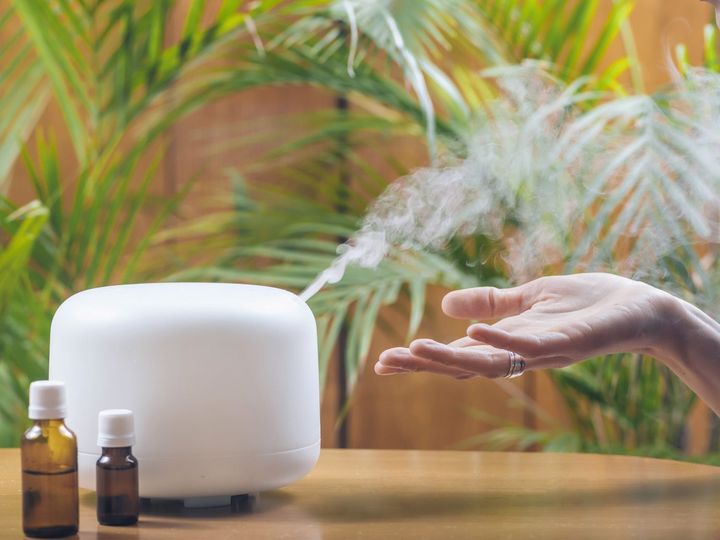
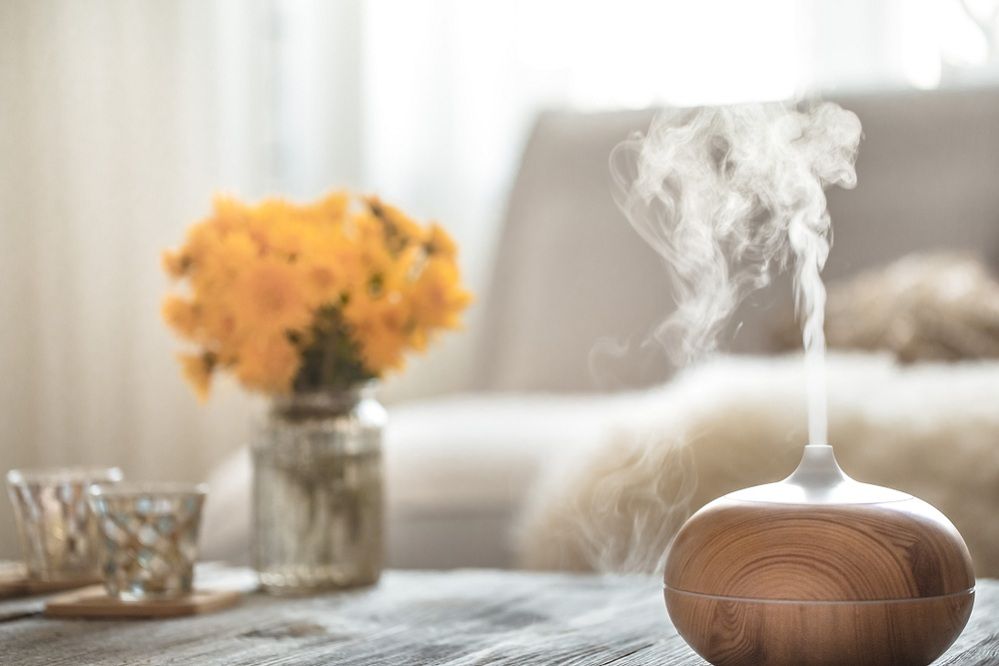
There are several main types of humidifiers:
-
Evaporative humidifiers: Use a wick filter and fan to disperse moisture naturally.
-
Ultrasonic humidifiers: Use high-frequency vibrations to create a fine mist.
-
Steam vaporizers: Heat water to produce steam.
-
Whole-house humidifiers: Integrated into HVAC systems for consistent coverage.
Each type serves the same purpose but operates differently depending on space size and environmental conditions.
Why Humidifiers Matter Today
Modern lifestyles involve extended time indoors. Offices, homes, and commercial spaces often rely on centralized heating or air conditioning, which can lower humidity significantly. This makes indoor air quality improvement an increasingly discussed topic in health and environmental conversations.
Low humidity affects multiple groups:
-
Individuals with respiratory sensitivities
-
Children and older adults
-
People with skin conditions
-
Workers in climate-controlled environments
Proper humidity control systems can contribute to:
-
Reduced throat and nasal dryness
-
Support for respiratory comfort
-
Protection of wooden furniture and flooring
-
Decreased static electricity
-
Improved sleep comfort
Below is a simplified comparison of indoor humidity effects:
| Humidity Level | Possible Effects |
|---|
| Below 30% | Dry skin, irritated sinuses, static shocks |
| 30–50% | Comfortable range for most people |
| Above 60% | Increased risk of mold growth |
Balanced humidity can also enhance energy efficiency. When air contains adequate moisture, it may feel warmer at lower temperatures, potentially supporting more efficient heating usage without overstating its impact.
Recent Developments and Trends
In recent months, several notable trends have emerged in the humidifier and indoor air quality space.
One development is the integration of smart home technology. Many new humidifier models now connect to mobile applications, allowing users to monitor humidity levels remotely. These devices often include automatic shut-off features and real-time data tracking.
Energy efficiency standards have also been emphasized. Manufacturers increasingly design energy efficient humidifiers that consume less power while maintaining optimal performance.
Another trend is combination devices. Some models combine humidification with air purification features to address both moisture balance and airborne particles in a single unit. This reflects a broader consumer focus on comprehensive home air quality solutions.
Public awareness about airborne health concerns has further increased attention to humidity management. Research continues to explore how proper humidity levels influence respiratory comfort and indoor environmental quality.
Digital hygrometers with integrated humidity calculators are becoming more common, helping households measure and adjust moisture levels more accurately.
Laws, Regulations, and Policy Considerations
Humidifiers are generally regulated as household electrical appliances and must comply with safety standards set by national regulatory authorities. These standards typically focus on:
-
Electrical safety compliance
-
Product labeling accuracy
-
Energy efficiency requirements
-
Material safety guidelines
Energy conservation programs in many regions promote efficient appliances to reduce overall electricity consumption. Devices labeled under certified energy standards must meet specific performance benchmarks.
Indoor air quality guidelines from public health agencies often recommend maintaining humidity within a safe range to prevent mold growth and minimize health risks. While guidelines do not usually mandate household humidifier use, they provide recommendations about environmental control in residential and commercial buildings.
Manufacturers are also required to provide clear instructions for cleaning and maintenance to reduce risks of microbial growth within water tanks.
Consumers should review product manuals carefully to ensure compliance with local appliance safety regulations and recommended usage practices.
Helpful Tools and Resources
Several tools support effective humidity management and informed decision-making:
-
Digital Hygrometers – Measure real-time indoor humidity levels.
-
Humidity Calculators – Estimate ideal humidity based on room size and climate.
-
Smart Home Apps – Track moisture trends over time.
-
Energy Efficiency Rating Databases – Compare appliance performance.
-
Indoor Air Quality Monitoring Platforms – Provide broader environmental data.
-
Maintenance Checklists – Help ensure proper cleaning schedules.
Frequently Asked Questions
What is the ideal indoor humidity level?
Most public health recommendations suggest maintaining indoor relative humidity between 30% and 50%. This range supports comfort while reducing mold risk.
Can humidifiers help with dry skin and throat irritation?
Balanced air moisture may reduce dryness in skin and airways by preventing excessive evaporation of natural moisture from the body.
Are ultrasonic humidifiers safe?
Ultrasonic humidifiers are generally safe when used according to manufacturer guidelines. Proper cleaning is important to prevent mineral or microbial buildup.
How often should a humidifier be cleaned?
Cleaning frequency depends on usage, but regular cleaning—often every few days during continuous operation—is recommended to maintain hygiene.
Do humidifiers increase energy consumption significantly?
Energy efficient humidifiers are designed to use minimal electricity. Whole-house systems may use more energy than small portable units, depending on usage patterns.
Practical Advice for Everyday Use
To maximize indoor air quality improvement:
-
Monitor humidity with a reliable hygrometer.
-
Avoid exceeding 50% relative humidity.
-
Use distilled water if recommended to reduce mineral residue.
-
Place the device on a stable, elevated surface.
-
Keep doors and windows closed when operating in a specific room.
-
Follow cleaning guidelines carefully.
For larger homes, integrated humidity control systems connected to HVAC units may provide more consistent coverage than portable devices.
It is also important to balance humidification with ventilation. Proper airflow helps maintain healthy indoor conditions and prevents moisture accumulation.
Conclusion
Humidifiers exist to address a simple but important environmental challenge: maintaining appropriate moisture levels indoors. As indoor air quality becomes a growing concern, humidity control systems play a supportive role in promoting comfort and respiratory health support.
Modern advancements, including smart monitoring technology and improved energy efficiency standards, have expanded their functionality. Regulatory frameworks ensure that these devices meet safety and labeling requirements, while public health guidelines emphasize maintaining balanced humidity to prevent complications.
By understanding how humidifiers function, monitoring moisture levels carefully, and maintaining equipment properly, households can create a more comfortable indoor environment without overcomplicating the process.