Discover Pharma Liquid Filling Machines: Types, Strategies, Solutions & Industry Insights
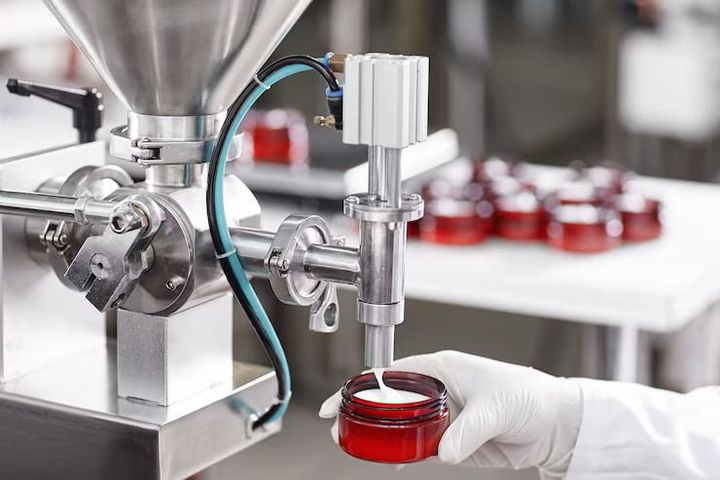
Pharma liquid filling machines are specialized systems used to accurately dispense liquid formulations into containers such as vials, ampoules, bottles, and syringes. These machines are a core part of pharmaceutical manufacturing because liquid dosage forms require precise volume control, contamination prevention, and repeatable processes.
They exist to address challenges that manual filling cannot reliably manage at scale. Liquids can vary in viscosity, sensitivity to air, and interaction with container materials. A controlled filling environment helps maintain product integrity while supporting consistent batch output. Over time, these machines have evolved from mechanically driven units to automated systems with electronic controls, sensors, and validation-ready data capture.
Why Pharma Liquid Filling Machines Are Important Today
Pharma liquid filling machines matter because they directly affect product quality, patient safety, and regulatory compliance. Liquid medicines are widely used across healthcare settings, including oral solutions, injectables, ophthalmic drops, and topical formulations.
This topic affects multiple groups:
-
Manufacturing teams responsible for daily operations
-
Quality assurance professionals monitoring consistency
-
Regulatory authorities overseeing compliance
-
End users relying on accurate dosing
The machines help solve practical problems such as dosage variation, cross-contamination risk, and production inefficiency. As demand for sterile and non-sterile liquid formulations continues to grow, filling accuracy and process control have become even more critical.
Key areas where these machines add value include:
-
Maintaining uniform fill volumes
-
Supporting aseptic and cleanroom operations
-
Reducing human contact with sensitive products
-
Enabling scalable production with traceability
Recent Updates and Industry Developments
In the past year, pharma liquid filling technology has focused on automation, contamination control, and digital monitoring.
In February 2025, several equipment manufacturers introduced updated peristaltic pump systems designed to improve accuracy for low-volume fills. These systems aim to reduce shear stress on sensitive formulations such as biologics.
By July 2025, increased adoption of restricted access barrier systems (RABS) and isolator-compatible filling machines was reported across regulated markets. This trend reflects a broader industry move toward enhanced sterility assurance.
Another notable update in November 2025 involved the integration of machine vision systems. These systems automatically inspect fill levels and container integrity during operation, supporting real-time quality checks.
The comparison below highlights how recent systems differ from earlier designs:
| Feature Area | Earlier Designs | Recent Developments (2025) |
|---|---|---|
| Filling Accuracy | Mechanical adjustment | Sensor-driven control |
| Contamination Control | Open or semi-closed | Isolator and RABS-ready |
| Monitoring | Manual sampling | In-line inspection |
| Data Handling | Paper-based logs | Digital batch records |
These updates emphasize reliability and transparency rather than higher speed alone.
Regulatory Influence and Policy Framework in India
In India, pharma liquid filling machines are governed by regulations tied to drug manufacturing standards. The Drugs and Cosmetics Act, 1940, along with its associated rules, forms the legal foundation.
Schedule M outlines Good Manufacturing Practices and includes requirements related to equipment design, cleaning, and validation. During 2024–2025, regulatory communications reinforced expectations around contamination control and documentation, especially for sterile liquid products.
Machines used in regulated environments are expected to support:
-
Equipment qualification activities
-
Cleaning and sterilization validation
-
Controlled access during operation
-
Reliable record generation for audits
For organizations involved in exports, alignment with international guidelines such as WHO GMP and PIC/S recommendations further shapes equipment expectations, even though these are not domestic laws.
Types of Pharma Liquid Filling Machines
Pharma liquid filling machines are classified based on filling principle, container type, and level of automation. Understanding these categories helps clarify their application scope.
Common types include:
-
Volumetric filling machines using pistons or pumps to deliver fixed volumes
-
Peristaltic filling machines suitable for sterile and sensitive liquids
-
Gravity-based filling machines often used for low-viscosity solutions
-
Time-pressure filling machines designed for controlled flow rates
A simplified overview is shown below:
| Machine Type | Typical Application |
|---|---|
| Volumetric | Syrups, suspensions |
| Peristaltic | Injectables, biologics |
| Gravity | Simple aqueous solutions |
| Time-Pressure | Ophthalmic preparations |
Each type addresses different formulation characteristics and compliance needs.
Operational Strategies and Process Approaches
Effective use of pharma liquid filling machines depends on clear operational strategies. These strategies focus on consistency, monitoring, and preventive control rather than output volume alone.
Key approaches include:
-
Standardized setup procedures to reduce variability
-
Routine calibration of filling mechanisms
-
Environmental monitoring in clean areas
-
Defined changeover protocols between batches
A typical process flow can be summarized as:
| Step | Purpose |
|---|---|
| Container Preparation | Cleanliness assurance |
| Filling Operation | Accurate volume dispensing |
| In-Process Checks | Early deviation detection |
| Closing or Sealing | Product protection |
| Batch Documentation | Traceability support |
These structured steps help maintain predictable outcomes across production cycles.
Tools and Resources Supporting Liquid Filling Operations
A range of technical tools and reference resources support the effective use of pharma liquid filling machines. These tools are focused on analysis, validation, and continuous improvement.
Helpful resources include:
-
Fill volume calculation worksheets for formulation planning
-
Environmental monitoring templates for cleanroom control
-
Process capability analysis tools
-
Regulatory guidance documents issued by authorities
-
Digital audit trail systems integrated with equipment controls
Below is an example of commonly tracked performance indicators:
| Parameter | Monitoring Purpose |
|---|---|
| Fill Volume Deviation | Dosage accuracy |
| Line Rejection Rate | Process stability |
| Environmental Particle Count | Contamination control |
| Downtime Frequency | Operational reliability |
Such tools support data-driven decision-making and regulatory readiness.
Frequently Asked Questions About Pharma Liquid Filling Machines
What determines the choice of filling method for a liquid product?
The choice depends on viscosity, sensitivity to shear, sterility requirements, and target fill volume. These factors influence machine selection and setup.
How is sterility maintained during liquid filling?
Sterility is maintained through controlled environments, validated cleaning procedures, and limited human intervention using barriers or isolators.
Why is in-line inspection important during filling?
In-line inspection helps detect deviations early, reducing the risk of batch-level issues and supporting consistent quality.
Can one filling machine handle multiple container types?
Many modern systems are designed for flexibility, but changeovers must follow validated procedures to ensure continued compliance.
What role does documentation play in liquid filling operations?
Documentation supports traceability, regulatory review, and continuous improvement by providing a clear record of each batch.
Conclusion
Pharma liquid filling machines are essential components of pharmaceutical manufacturing, supporting accurate dosing, contamination control, and regulatory alignment. Their importance extends beyond operational efficiency to patient safety and product reliability.
Recent industry developments show a strong focus on automation, inspection, and environmental control. At the same time, regulatory frameworks in India continue to emphasize validation, documentation, and controlled operations.
By understanding the types, strategies, regulatory context, and supporting tools associated with pharma liquid filling machines, readers gain a clear and balanced view of how these systems contribute to modern pharmaceutical production. This knowledge encourages informed discussion and responsible process management without relying on promotional claims.