Explore Drum Sanders: Basics, Explanation, and Useful Information
A drum sander is a woodworking and industrial finishing machine designed to smooth, level, and prepare surfaces using a rotating cylindrical drum wrapped with abrasive material. As material passes beneath the rotating drum, the surface is evenly sanded to a consistent thickness and texture. Drum sanders exist to solve a long-standing challenge in material finishing: achieving uniform smoothness over large or delicate surfaces without causing damage.
Unlike handheld sanding tools, drum sanders provide controlled pressure and consistent results. They are commonly used on wood panels, boards, veneers, composites, and engineered materials where precision and surface quality matter. Their design helps reduce uneven sanding, gouging, and manual inconsistencies that often occur with traditional methods.
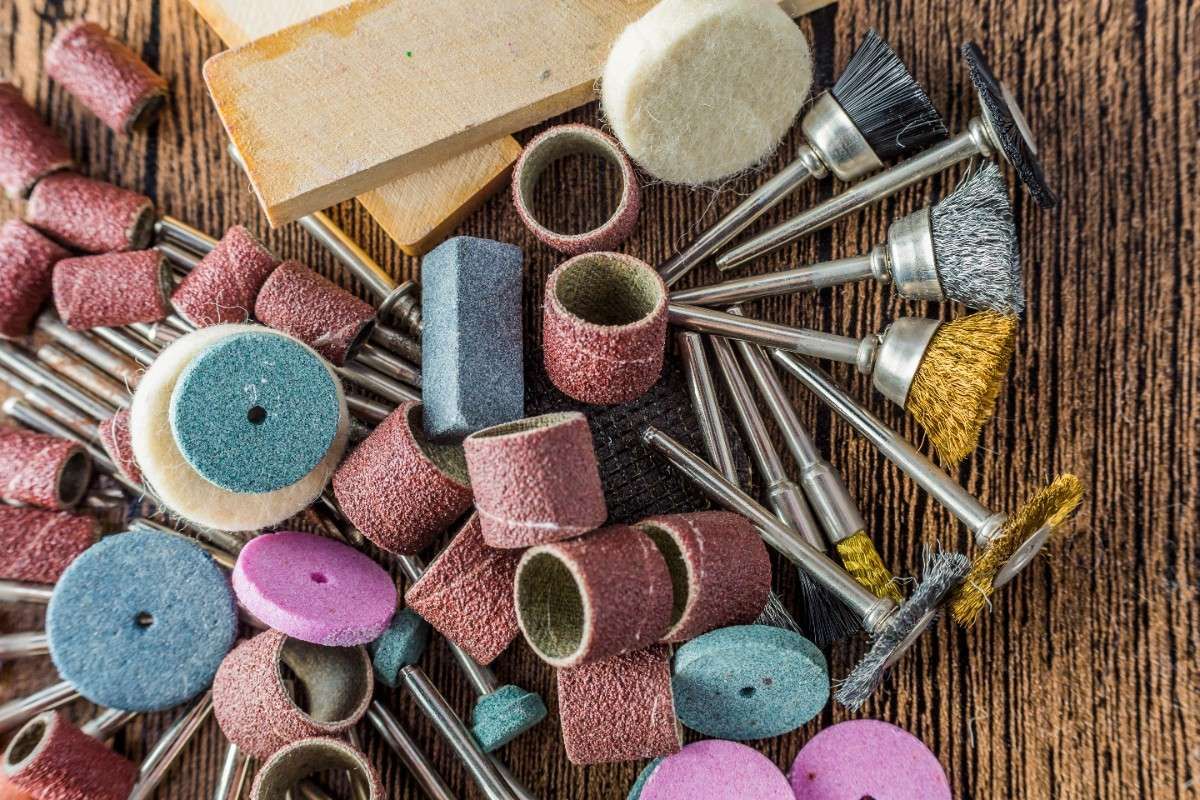
At a basic level, the machine combines mechanical rotation, abrasive action, and controlled feed speed. This combination allows users to focus on accuracy, repeatability, and surface preparation rather than manual effort.
Importance: Why Drum Sanders Matter Today
Drum sanders play an important role in modern woodworking, manufacturing, and fabrication environments. They directly affect surface quality, dimensional accuracy, and production efficiency.
Their importance is visible in several areas:
-
Surface consistency: They help achieve even thickness across wide panels and boards.
-
Material protection: Controlled sanding reduces the risk of tear-out or surface burns.
-
Time efficiency: Automated feeding and sanding shorten finishing cycles.
-
Skill accessibility: Results depend more on machine setup than operator strength.
Industries and individuals influenced by drum sanders include:
-
Furniture and cabinet workshops
-
Interior panel and decorative surface production
-
Educational and training environments
-
Small-scale fabrication units
Problems commonly addressed by drum sanders include uneven surfaces, glue residue after lamination, raised grain, and preparation for coatings or bonding. In many workflows, sanding accuracy directly influences the durability and appearance of the final product, making this equipment highly relevant.
Recent Updates: Trends and Developments
Over the past year, drum sander design and usage have seen incremental but meaningful improvements driven by efficiency and safety considerations.
Key developments include:
-
Improved dust management systems with better airflow design to reduce airborne particles.
-
Variable speed control enhancements allowing finer adjustment for different materials.
-
Compact footprint models designed for limited workshop spaces.
-
Hybrid sanding drums that support quick abrasive changes without complex tools.
There has also been increased attention to energy efficiency and noise reduction. Manufacturers and workshop operators alike are focusing on reducing operational strain while maintaining performance. Digital thickness indicators and calibration guides have become more common, improving setup accuracy and repeatability.
These updates reflect a broader trend toward precision-focused, operator-friendly industrial equipment rather than purely high-powered machines.
Laws or Policies: Regulatory Influence on Drum Sanders
Drum sanders are influenced by general machinery safety and workplace standards rather than topic-specific legislation. Regulations typically focus on:
-
Operator safety and guarding of moving parts
-
Dust control and air quality requirements
-
Electrical and mechanical compliance standards
-
Noise exposure limits in work environments
Many regions require proper dust extraction systems and emergency stop mechanisms for sanding equipment. Training guidelines often emphasize safe operation, maintenance routines, and correct use of personal protective equipment.
While these rules vary by jurisdiction, the shared goal is to reduce occupational hazards and ensure machines operate within defined safety limits. Compliance affects how drum sanders are designed, installed, and maintained across professional and educational settings.
Tools and Resources: Helpful Support Materials
Several tools and resources can help users better understand, operate, and maintain drum sanders:
Technical resources
-
Equipment manuals and setup guides
-
Abrasive grit selection charts
-
Thickness calibration reference sheets
Digital tools
-
Feed rate calculators for sanding passes
-
Dust airflow estimation tools
-
Maintenance scheduling templates
Educational resources
-
Workshop safety checklists
-
Machine alignment diagrams
-
Surface finish comparison guides
Below is a simplified table showing how abrasive grit selection impacts surface results:
| Grit Range | Typical Use | Surface Outcome |
|---|---|---|
| 36–60 | Initial leveling | Heavy material removal |
| 80–120 | Intermediate sanding | Balanced smoothness |
| 150–220 | Final preparation | Fine surface finish |
These resources support informed decision-making and help extend machine life while improving output quality.
Frequently Asked Questions (FAQs)
What materials can a drum sander handle?
Drum sanders are commonly used on solid wood, plywood, veneers, and engineered panels. Some models also support composites and soft non-metal materials, depending on abrasive choice and feed settings.
How is a drum sander different from a belt sander?
A drum sander focuses on uniform thickness and surface leveling using a cylindrical drum, while belt sanders are often used for shaping and edge work. Drum sanders emphasize precision over aggressive material removal.
Does a drum sander replace all sanding steps?
No. Drum sanders are usually part of a broader finishing process. They prepare surfaces for finer sanding, coating, or bonding but may not replace final hand-finishing steps.
How often should abrasive wraps be changed?
This depends on material type, feed speed, and grit. Signs such as reduced cutting efficiency, burn marks, or uneven sanding indicate it may be time for replacement.
What safety practices are essential when using a drum sander?
Key practices include proper dust extraction, avoiding loose clothing, maintaining correct feed rates, and ensuring the machine is fully stopped before adjustments.
Conclusion
Drum sanders are essential tools for achieving consistent, high-quality surface finishes in woodworking and related fields. By combining controlled abrasive action with mechanical precision, they address common challenges such as uneven thickness, surface defects, and inefficient manual sanding.
Their continued relevance is supported by ongoing improvements in safety, usability, and efficiency. Understanding how drum sanders work, why they matter, and how they are regulated helps users make informed decisions and operate them responsibly. As surface quality standards continue to rise, drum sanders remain a foundational component of modern material finishing workflows.