Explore Industrial Ear Piercings: Overview, Facts, Insights, Advice, and Helpful Resources
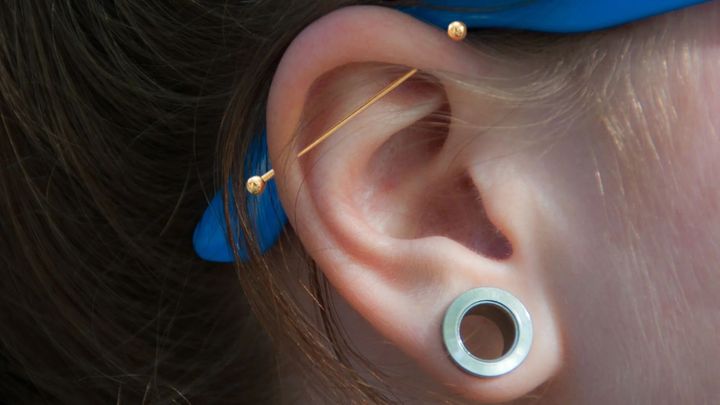
Industrial ear piercings are a distinctive form of cartilage piercing where two separate holes in the upper ear cartilage are connected with a single straight barbell. The jewelry typically passes through both piercings, creating a straight line across the ear. This design gives the piercing its recognizable appearance and differentiates it from standard lobe piercings or single cartilage piercings.
The concept of industrial piercing developed from broader body piercing practices that expanded in popularity during the late twentieth century. As body art and personal expression became more widely accepted, piercers began experimenting with different placements and jewelry arrangements. The industrial style emerged as a way to connect two piercings visually using a single piece of jewelry.
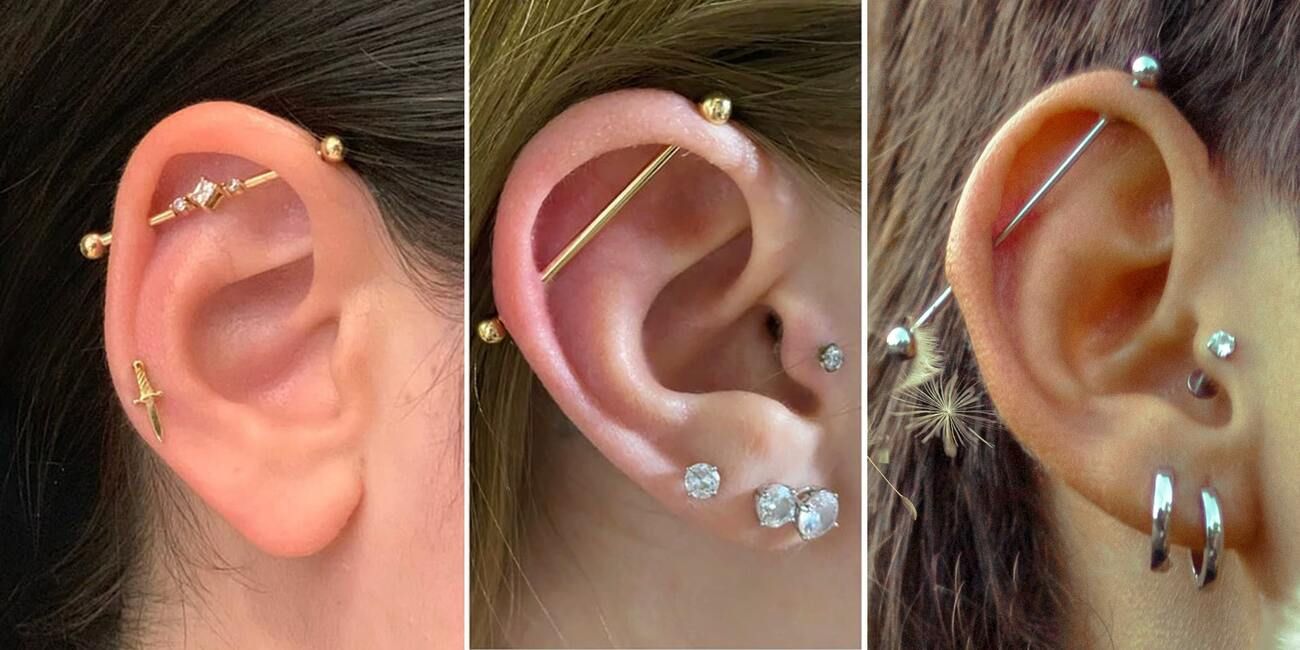
Cartilage piercings differ from earlobe piercings because cartilage tissue is firmer and has less blood circulation. This biological difference means the healing process is typically slower and requires careful hygiene practices. Because the two piercings are linked by one barbell, the alignment and spacing must be carefully planned before piercing.
Common materials used for industrial jewelry include:
-
Implant-grade titanium
-
Surgical stainless steel
-
Biocompatible gold
-
Medical-grade plastics
These materials are chosen for their compatibility with skin and their resistance to corrosion. Jewelry quality is an important factor in reducing irritation and supporting healthy healing.
The industrial piercing also has cultural significance in the broader field of body modification and aesthetic expression. Many individuals choose it for its symmetrical look, while others appreciate the ability to customize jewelry styles and shapes.
A basic overview of industrial piercing placement is shown below.
| Feature | Description |
|---|---|
| Piercing Type | Cartilage piercing connecting two holes |
| Typical Jewelry | Straight barbell |
| Tissue Location | Upper ear cartilage |
| Healing Duration | Often several months or longer |
| Key Consideration | Proper alignment of both piercings |
Understanding these fundamentals helps explain why the procedure requires planning, precision, and proper aftercare.
Why Industrial Ear Piercings Matter in Modern Body Art
Industrial ear piercings play an important role in modern personal style and body art culture. Over time, body modification has become a recognized form of self-expression across different communities. Ear piercings, in particular, are among the most widely practiced forms of body adornment.
One reason the topic remains relevant is the growing interest in cartilage piercing styles beyond traditional earlobe piercings. Social media platforms, digital style guides, and online communities frequently showcase creative ear arrangements, sometimes called curated ear designs. Industrial piercings often appear as a centerpiece in these designs.
From a health and safety perspective, the topic also matters because cartilage piercings require informed care. Improper techniques, low-quality jewelry, or inadequate hygiene can lead to complications such as irritation or infection. Educational information helps individuals understand the biological aspects of cartilage healing.
Industrial piercings also intersect with the fields of:
-
Dermatology and skin health
-
Professional piercing standards
-
Sterilization and hygiene protocols
-
Jewelry material science
By understanding these factors, individuals can make informed decisions about piercing placement, jewelry materials, and long-term care.
Another reason the topic is important is the role of professional training in piercing studios. Skilled piercers evaluate ear anatomy before performing the procedure. Not every ear shape supports the correct alignment needed for an industrial piercing, so anatomical assessment is an essential step.
The following table summarizes common motivations and considerations related to industrial piercings.
| Aspect | Explanation |
|---|---|
| Personal expression | Unique ear aesthetic |
| Cultural trend | Popular in curated ear styling |
| Health considerations | Cartilage healing and hygiene |
| Professional standards | Proper sterilization procedures |
| Jewelry design | Wide variety of barbell styles |
This combination of artistic expression and health awareness explains why educational resources about industrial piercings continue to attract attention.
Recent Developments and Trends in Industrial Piercing
In recent periods, several trends have influenced how industrial ear piercings are discussed and practiced.
One notable trend is the increased focus on implant-grade jewelry materials. Professional piercing organizations and dermatology experts frequently recommend materials that reduce allergic reactions and irritation. Titanium and other biocompatible metals have become widely preferred in professional settings.
Another development involves the growing use of digital aftercare guidance. Many piercing studios now provide digital care instructions through mobile platforms or QR-based guides. These resources explain cleaning routines, healing expectations, and common signs of irritation.
Educational content about body piercing has also expanded across online platforms. Video tutorials, dermatology blogs, and body art communities share information about:
-
Cartilage healing timelines
-
Jewelry sizing and gauge measurements
-
Ear anatomy considerations
-
Hygiene and sterilization standards
In addition, curated ear styling has become a prominent trend. Instead of single piercings, many individuals combine multiple cartilage piercings such as helix, conch, and industrial placements to create symmetrical designs.
Research discussions in dermatology and cosmetic medicine have also emphasized infection prevention and skin compatibility in body piercings. These conversations highlight the importance of sterile tools, safe jewelry materials, and responsible aftercare practices.
The evolution of jewelry design is another notable trend. Straight barbells remain the traditional jewelry for industrial piercings, but designers now produce decorative variations with geometric shapes, chains, and minimalist finishes.
These developments illustrate how industrial piercings continue to evolve within modern body art culture while maintaining a focus on safety and education.
Regulatory Guidelines and Professional Standards
Body piercing practices are typically influenced by health and sanitation regulations established by public health authorities. These regulations are designed to reduce the risk of infection and ensure hygienic procedures in professional studios.
While regulations vary across regions, many guidelines commonly include requirements such as:
-
Use of sterilized piercing equipment
-
Autoclave sterilization for reusable tools
-
Single-use sterile needles
-
Proper disposal of medical sharps
-
Hygienic work surfaces and gloves
Professional piercing studios often follow protocols developed by international or regional body art safety organizations. These organizations publish guidelines on sterilization, jewelry materials, and client safety.
In many regulated environments, studios must maintain documentation that demonstrates compliance with hygiene standards. Health inspectors may review sterilization logs, equipment maintenance records, and sanitation procedures.
Educational certification programs are also available for professional piercers. Training may include topics such as:
-
Ear anatomy and tissue structure
-
Infection prevention techniques
-
Jewelry sizing and placement methods
-
Skin health and wound care basics
Understanding these regulatory and professional standards helps explain how safety practices are integrated into the modern body piercing industry.
Helpful Tools and Educational Resources
Individuals researching industrial ear piercings often rely on a variety of digital resources and educational tools. These tools help people understand anatomy, jewelry sizing, and aftercare routines.
Common resources include:
• Body piercing anatomy charts – visual guides explaining cartilage structure and safe placement areas
• Jewelry gauge measurement charts – reference tables showing barbell thickness and length options
• Aftercare tracking apps – digital reminders for cleaning routines and healing monitoring
• Dermatology information websites – educational articles about skin healing and infection prevention
• Studio sterilization guides – documents explaining safe piercing practices and equipment hygiene
The following table summarizes several commonly used informational resources.
| Resource Type | Purpose |
|---|---|
| Piercing anatomy diagrams | Understanding cartilage placement |
| Jewelry gauge charts | Selecting correct barbell size |
| Skin care references | Learning about wound healing |
| Hygiene guidelines | Safe cleaning routines |
| Professional training materials | Piercing safety education |
Access to reliable information supports better understanding of the procedure and helps individuals maintain proper hygiene practices during the healing process.
Frequently Asked Questions About Industrial Ear Piercings
What exactly is an industrial ear piercing?
An industrial piercing is a type of cartilage piercing where two separate holes in the upper ear are connected with a straight barbell. The jewelry passes through both piercings to create a single connected design.
How long does cartilage healing usually take?
Cartilage tissue typically heals more slowly than earlobe tissue. Healing time can vary depending on individual factors, but it often takes several months or longer for full stabilization.
Why is alignment important in industrial piercings?
Proper alignment ensures that the barbell sits comfortably and does not place unnecessary pressure on the cartilage. A professional piercer evaluates ear anatomy to determine whether the placement is suitable.
What jewelry materials are commonly recommended?
Implant-grade titanium, surgical stainless steel, and high-quality gold are commonly used materials. These materials are valued for their durability and compatibility with skin.
What hygiene practices are usually recommended during healing?
Common guidance includes gentle cleaning with saline solution, avoiding unnecessary touching, and protecting the piercing from pressure or friction.
Conclusion
Industrial ear piercings represent a distinctive form of cartilage piercing that combines aesthetic design with anatomical considerations. By connecting two piercings with a single barbell, the style creates a recognizable visual line across the upper ear.
The topic continues to attract interest within the broader fields of body art, skin health, and jewelry design. Educational information about cartilage healing, jewelry materials, and hygiene practices helps individuals understand how the piercing process works and why professional standards matter.
Recent developments such as improved jewelry materials, digital aftercare resources, and curated ear styling trends illustrate how industrial piercings continue to evolve. At the same time, hygiene regulations and professional training programs emphasize safety and responsible piercing practices.