Explore Metal Stamping Machines: Overview, Tips & Knowledge
Cylindrical grinding machines are specialized industrial manufacturing equipment used to shape and finish cylindrical components with high precision. These machines remove small amounts of material from a rotating workpiece using an abrasive grinding wheel. The result is a smooth surface finish and tight dimensional accuracy.
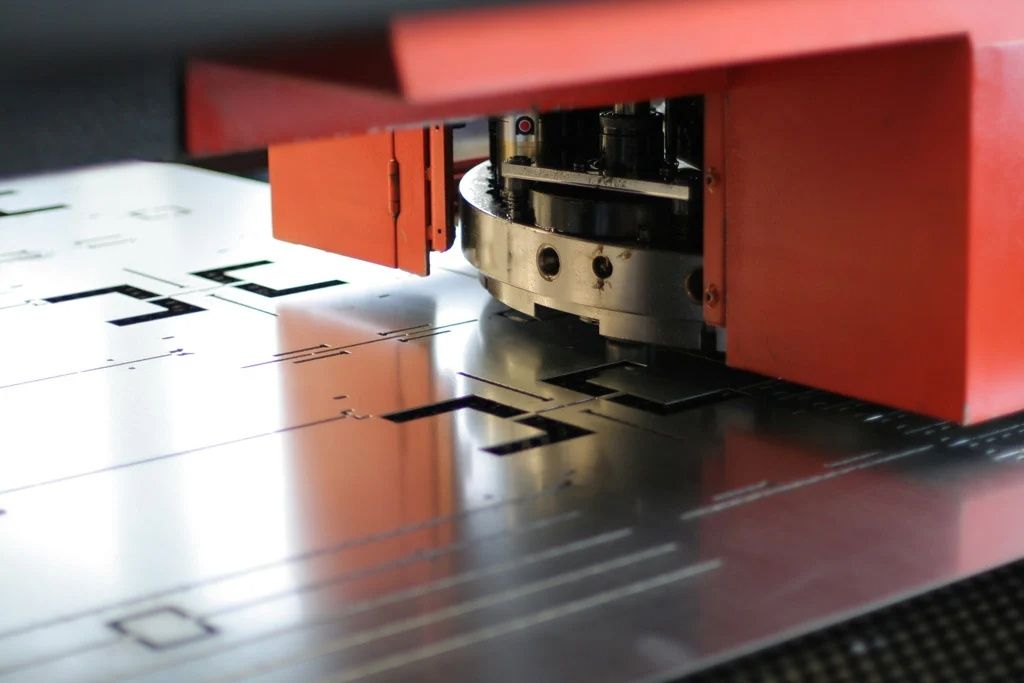
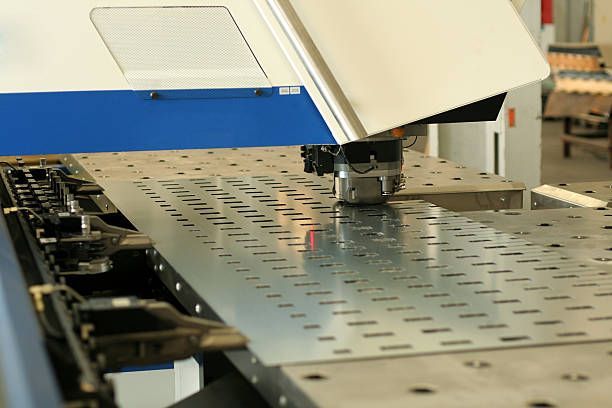
The concept exists because many industries require high volumes of identical metal parts. Manual fabrication is slow and inconsistent, while stamping technology ensures speed, uniformity, and repeatable accuracy. Over time, mechanical press technology and hydraulic press systems have evolved to handle complex geometries and stronger materials.
Metal stamping is commonly applied in:
-
Automotive body panels and brackets
-
Electrical connectors and enclosures
-
Aerospace structural components
-
Consumer electronics frames
-
Appliance housings
By integrating CNC metal forming and automated feed systems, modern stamping machines reduce production errors and improve output efficiency.
Why Metal Stamping Machines Matter Today
Metal stamping plays a central role in industrial production. As global manufacturing shifts toward digital transformation, companies rely on automated press systems to maintain production efficiency and quality control.
Industries affected by metal stamping machines include:
-
Automotive manufacturing
-
Renewable energy equipment production
-
Electronics and semiconductor industries
-
Construction materials fabrication
-
Defense and transportation sectors
These machines help solve several production challenges:
-
Maintaining dimensional accuracy in large batches
-
Reducing material waste
-
Increasing throughput in high-volume manufacturing
-
Supporting lightweight metal component design
-
Enhancing workplace safety through automation
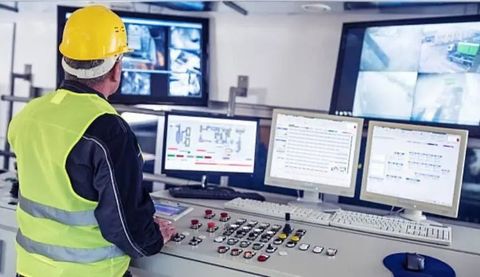
The integration of industrial IoT (IIoT) systems and predictive maintenance tools also improves industrial equipment maintenance planning. Sensors monitor vibration, pressure, and temperature, reducing unexpected downtime.
Metal stamping machines also support sustainability goals by optimizing raw material usage and enabling recyclable metal component production.
Recent Updates and Industry Trends
In recent months, several advancements have influenced the metal stamping industry.
Smart factory integration has increased. Manufacturers are embedding cloud-based monitoring systems into hydraulic press systems. These platforms track press force, cycle time, and machine health in real time.
Energy-efficient servo presses are gaining attention. Unlike traditional mechanical press technology, servo-driven systems allow precise speed control and reduced energy consumption.
Automation adoption has expanded further. Robotic arms now handle feeding and unloading processes, minimizing human intervention and improving consistency.
Material innovation is another notable trend. Lightweight alloys and high-strength steel grades are being used more frequently in automotive and renewable energy applications.
Digital twins are also becoming part of advanced manufacturing. Virtual simulations allow engineers to test stamping designs before physical production, reducing trial-and-error adjustments.
Laws and Regulatory Considerations
Metal stamping operations must follow industrial safety and environmental regulations. These rules are designed to protect workers, ensure product quality, and reduce environmental impact.
Key regulatory areas include:
-
Workplace safety standards for press operation
-
Noise exposure limits
-
Emission control guidelines
-
Hazardous material handling regulations
-
Electrical safety compliance
Manufacturing compliance frameworks often require regular inspection of hydraulic press systems and mechanical components. Emergency stop systems, protective guards, and operator training are essential for meeting industrial safety codes.
Environmental regulations may address:
-
Metal scrap recycling practices
-
Waste lubricant disposal
-
Air quality management in production facilities
Quality certifications such as ISO-based manufacturing standards also guide documentation, traceability, and process control. Compliance ensures consistent production and reduces operational risk.
Types of Metal Stamping Machines
Understanding the main machine types helps clarify how different manufacturing needs are addressed.
| Machine Type | Power Source | Typical Application | Key Advantage |
|---|---|---|---|
| Mechanical Press | Flywheel-driven | High-speed production | Fast cycle times |
| Hydraulic Press | Fluid pressure | Heavy-duty forming | High force control |
| Servo Press | Electric motor | Precision components | Adjustable motion profile |
| Pneumatic Press | Compressed air | Light-duty tasks | Compact design |
Mechanical press technology is ideal for mass production runs. Hydraulic press systems provide greater control over pressure, making them suitable for thicker metals.
Servo-driven machines combine flexibility with digital control, supporting advanced CNC metal forming operations.
Tools and Resources for Metal Stamping
Several tools and digital resources support stamping operations and planning.
Design and Simulation Tools
-
CAD software for die design
-
Finite Element Analysis (FEA) simulation tools
-
Digital twin modeling platforms
Maintenance and Monitoring Tools
-
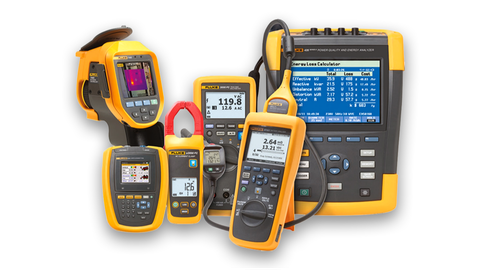
Predictive maintenance dashboards
-
Vibration analysis sensors
-
Press tonnage monitoring systems
Educational and Technical Resources
-
Industry standards documentation portals
-
Manufacturing research journals
-
Engineering handbooks on sheet metal fabrication
Process Calculation Tools
-
Tonnage calculation worksheets
-
Material thickness conversion charts
-
Press capacity reference tables
Below is a simplified tonnage estimation example used in planning:
| Material Type | Thickness (mm) | Estimated Tonnage Factor |
|---|---|---|
| Mild Steel | 1.0 | Low |
| Stainless Steel | 1.0 | Medium |
| Aluminum Alloy | 1.0 | Low |
| High-Strength Steel | 1.0 | High |
These values vary depending on die design and part geometry. Engineers rely on accurate tonnage calculators to prevent overloading equipment.
Workflow of a Metal Stamping Process
The stamping process typically follows a structured workflow:
Material Preparation
Metal sheets or coils are selected based on mechanical properties and thickness requirements.
Feeding System
Automated feeders guide the sheet into the stamping die with precise alignment.
Press Operation
The punch applies force, shaping or cutting the metal.
Part Removal
Finished components are removed through conveyor systems or robotic arms.
Inspection and Quality Control
Parts are checked for dimensional accuracy and surface finish.
This streamlined process ensures repeatability and supports large-scale manufacturing demands.
Frequently Asked Questions
What is the difference between stamping and forging?
Stamping shapes sheet metal using dies and presses, while forging reshapes heated metal through compressive force. Stamping is typically used for thinner materials and high-volume production.
How does a hydraulic press system differ from a mechanical press?
A hydraulic press uses fluid pressure to generate force, allowing adjustable speed and pressure control. A mechanical press relies on a flywheel mechanism, which provides faster cycle times but less motion flexibility.
What industries use metal stamping machines most frequently?
Automotive, aerospace, electronics, appliance manufacturing, and construction sectors rely heavily on metal stamping for consistent component production.
How is production efficiency improved in stamping operations?
Efficiency improves through automation, predictive maintenance systems, optimized die design, and servo-driven motion control.
Are metal stamping machines suitable for complex designs?
Yes. With CNC metal forming, advanced die engineering, and simulation software, stamping machines can produce intricate geometries with high precision.
Safety and Operational Best Practices
Maintaining safe and efficient stamping operations requires consistent monitoring and training.
Best practices include:
-
Regular equipment inspection
-
Operator safety training programs
-
Calibration of tonnage monitoring systems
-
Proper die alignment checks
-
Implementation of lockout-tagout procedures
Industrial equipment maintenance strategies reduce downtime and extend machine lifespan. Predictive analytics tools are increasingly used to detect wear before failure occurs.
Conclusion
Metal stamping machines remain fundamental to modern manufacturing. By combining mechanical press technology, hydraulic press systems, and digital automation, these machines deliver high-speed, high-precision metal forming.
Recent developments in industrial IoT, servo-driven motion control, and predictive maintenance have strengthened production efficiency and safety compliance. Regulatory standards continue to shape operational procedures, ensuring worker protection and environmental responsibility.