Explore Office Wall Desk Concepts: A Practical Guide with Design Insights
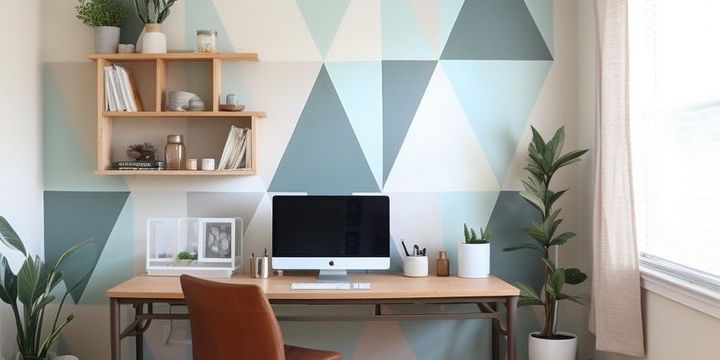
Office wall desk concepts refer to work surfaces that are mounted directly onto walls rather than standing freely on the floor. These desks are designed to maximize usable space, improve organization, and create efficient work zones within offices, homes, and shared environments. The idea emerged from the need to use limited floor areas more effectively while still maintaining comfort and functionality.
Wall-mounted desks exist in many forms, from compact fold-down panels to extended wall-length workstations. They are commonly used in offices where space optimization, visual cleanliness, and flexibility are important. As work environments evolve, wall desk designs have expanded beyond simple shelves into thoughtfully engineered workspace systems.
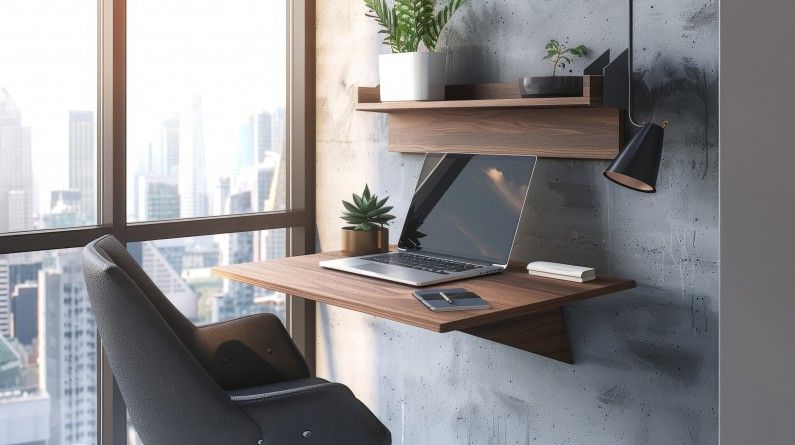
These concepts are closely linked with workspace optimization, office interior design ideas, and ergonomic workspace planning, all of which aim to improve how people interact with their work environment on a daily basis.
Importance: Why Office Wall Desks Matter Today
Modern offices face challenges related to space constraints, changing work habits, and employee comfort. Wall desk concepts address these challenges by providing adaptable and efficient solutions.
Key reasons these desks matter include:
-
Increasing usable floor space without reducing work capacity
-
Supporting cleaner and more organized layouts
-
Encouraging focused work zones in shared environments
-
Adapting to hybrid and flexible working arrangements
Office wall desks affect a wide range of users, including professionals working in small offices, remote workers setting up home offices, and organizations redesigning collaborative spaces. They help solve problems such as cluttered floors, limited desk placement options, and inefficient use of wall areas.
From a design perspective, wall-mounted desks also contribute to visual balance and minimalism. They align with modern office furniture design principles that prioritize simplicity, function, and adaptability.
Recent Updates: Design and Usage Trends
Over the past year, office wall desk concepts have continued to evolve alongside broader workplace trends. Designers and planners are focusing on flexibility, comfort, and modularity rather than fixed layouts.
Notable developments include:
-
Increased use of modular wall desk systems that can be adjusted or expanded
-
Integration of cable management channels to support digital devices
-
Greater emphasis on ergonomic height alignment and posture support
-
Preference for neutral finishes that blend with multiple interior styles
There has also been growing attention to acoustic considerations, with wall desks often paired with sound-absorbing panels. This reflects a shift toward quieter, more focused work environments within open-plan offices.
Sustainability has influenced material choices as well, with designers favoring durable surfaces and long-life components that reduce frequent replacement.
Laws or Policies: General Regulatory Influence
Office wall desk concepts are indirectly shaped by building standards and workplace guidelines that focus on safety, accessibility, and ergonomics. While regulations differ by region, general principles tend to remain consistent across professional environments.
Common regulatory considerations include:
-
Structural safety requirements for wall-mounted installations
-
Accessibility guidelines for reach and clearance
-
Ergonomic recommendations for desk height and spacing
-
Fire safety standards affecting wall fixtures and materials
These frameworks encourage responsible design and ensure that wall desks support user well-being. They also influence how desks are installed, maintained, and adapted over time.
Tools and Resources: Helpful Design Aids
Planning and implementing office wall desk concepts is easier with the right digital and informational tools. These resources help visualize layouts see how desks fit into available spaces.
Useful tools and resources include:
-
Office layout planning software for space visualization
-
Ergonomic desk height calculators
-
Interior design reference platforms
-
Workspace measurement templates
-
Digital mood boards for material and color coordination
These tools support office space planning, interior layout optimization, and workstation design analysis without requiring advanced technical expertise.
Key Design Variations Explained
Office wall desk concepts vary widely depending on intended use and available space. Understanding the main categories helps clarify their practical applications.
Common variations include:
-
Fixed wall desks designed for permanent workstations
-
Foldable wall desks for occasional use
-
Wall-length shared desks for collaborative environments
-
Floating desks with concealed supports for clean aesthetics
Each type serves different workspace goals, from focused individual tasks to shared team activities.
Table: Comparison of Wall Desk Types
| Desk Type | Space Usage | Flexibility | Common Use Case |
|---|---|---|---|
| Fixed Wall Desk | Moderate | Low | Dedicated work areas |
| Foldable Wall Desk | Very High | High | Compact or multipurpose spaces |
| Shared Wall Desk | High | Medium | Team-based environments |
| Floating Wall Desk | High | Medium | Minimalist office layouts |
Ergonomics and Usability Considerations
Ergonomic design plays a crucial role in the effectiveness of wall desks. Proper alignment supports comfort and reduces physical strain during extended work periods.
Important ergonomic factors include:
-
Desk height aligned with seated or standing posture
-
Adequate leg clearance where applicable
-
Proper placement of screens and input devices
-
Reachable storage and accessories
When thoughtfully planned, wall desks contribute positively to ergonomic workspace solutions and long-term usability.
FAQs: Common Questions Answered
What is an office wall desk?
An office wall desk is a work surface mounted directly onto a wall, designed to save space and create an organized workstation.
Are wall desks suitable for long work sessions?
Yes, when designed with proper ergonomics, wall desks can support extended periods of work comfortably.
Do wall desks work in shared offices?
They are often used in shared environments, especially when designed as continuous or modular systems.
How do wall desks affect office layout planning?
They free up floor space, allowing more flexibility in movement and furniture placement.
Can wall desks support modern technology needs?
Many designs include integrated cable management and device support features.
Visual Insight: Workspace Efficiency Comparison
| Layout Style | Floor Space Usage | Visual Clarity |
|---|---|---|
| Traditional Desk Layout | Higher | Moderate |
| Wall Desk Layout | Lower | High |
This comparison highlights how wall-mounted solutions contribute to efficient and visually balanced environments.
Conclusion: Practical Value of Office Wall Desk Concepts
Office wall desk concepts represent a thoughtful response to modern workspace challenges. By focusing on space efficiency, ergonomic support, and adaptable design, they offer practical advantages for a wide range of work environments.
Their growing relevance reflects broader shifts toward flexible layouts and intentional design choices. When planned carefully and aligned with ergonomic principles, wall desks support productivity while maintaining visual simplicity.
As offices continue to evolve, wall desk concepts remain a reliable and adaptable element of contemporary workspace planning.