Explore Pipe Inspection Robots: Overview, Explanation, Tips, and Insights
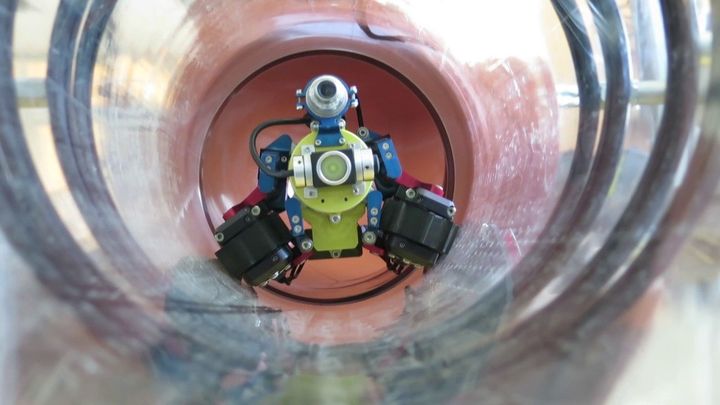
Pipe inspection robots are specialized machines designed to travel inside pipelines to examine their condition. These systems use cameras, sensors, and remote-control technology to detect cracks, leaks, corrosion, and blockages. They are commonly used in industries such as water management, oil and gas, construction, and municipal infrastructure.
The need for these robots comes from the difficulty of manually inspecting pipelines. Many pipelines run underground, underwater, or in hazardous environments where human access is limited or unsafe. Traditional inspection methods often required excavation or shutdowns, which could interrupt operations and increase risks.
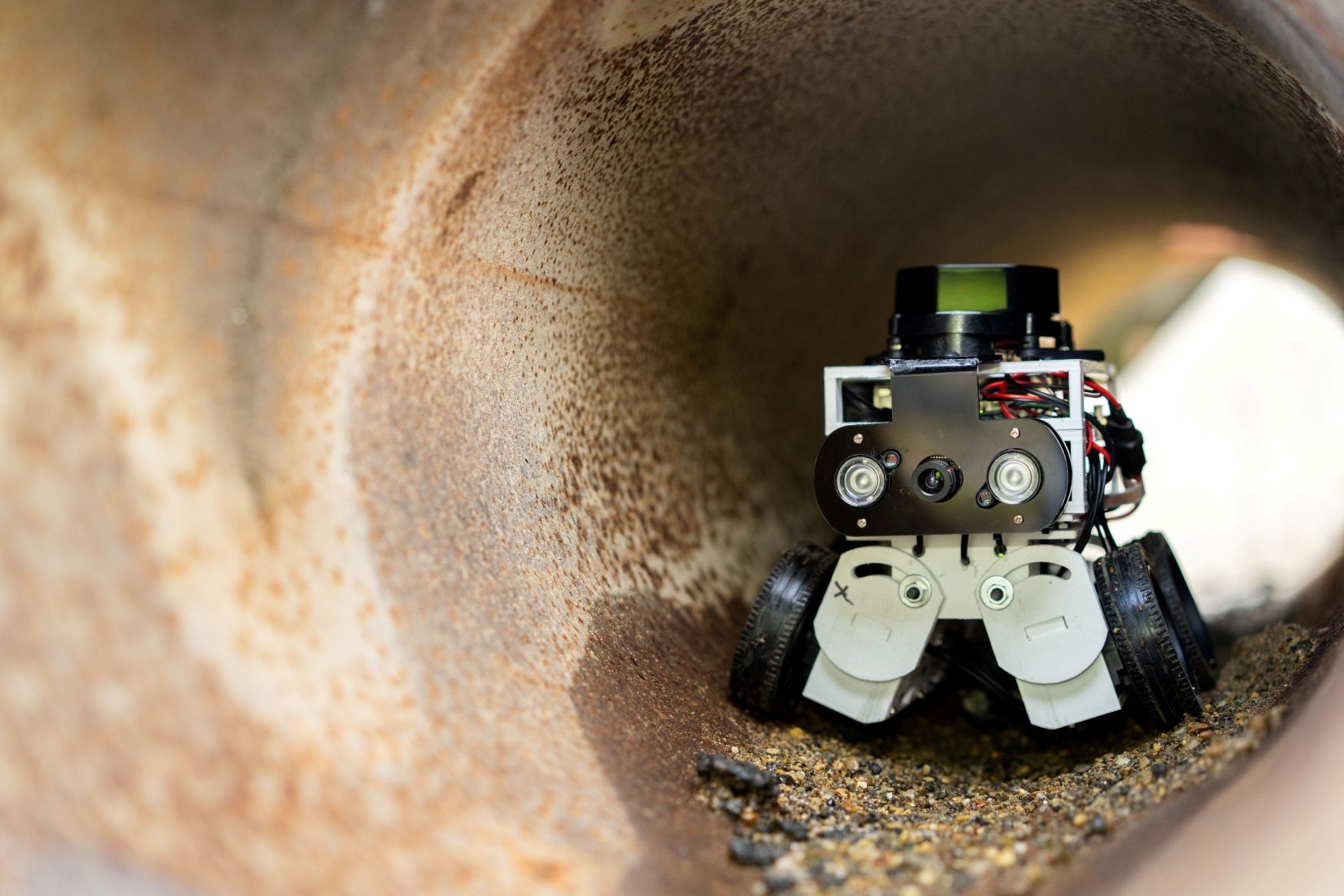
Pipe inspection robots provide a safer and more efficient alternative. By sending a robotic device into the pipeline, operators can gather real-time data without disrupting normal flow. This approach supports better decision-making and helps maintain system reliability.
In simple terms, these robots act as “eyes inside pipelines,” allowing engineers to monitor conditions without direct physical entry.
Why Pipe Inspection Robots Matter Today
Modern infrastructure systems are expanding rapidly, and pipelines are a critical part of that network. From transporting water and wastewater to carrying industrial fluids, pipelines must remain in good condition to avoid failures.
Pipe inspection robots play an important role in addressing several challenges:
-
Aging infrastructure: Many pipelines are decades old and require regular monitoring
-
Environmental protection: Early detection of leaks helps prevent contamination
-
Operational efficiency: Identifying issues early reduces downtime
-
Worker safety: Minimizes the need for manual entry into confined or hazardous spaces
These robots are relevant across multiple sectors:
-
Municipal systems for water and sewage
-
Industrial plants handling chemicals or fluids
-
Energy networks including oil and gas pipelines
-
Construction and maintenance projects
The technology also supports data-driven maintenance strategies. Instead of reacting to failures, organizations can use predictive insights to plan repairs and upgrades.
Below is a simple comparison showing how robotic inspection improves outcomes:
| Aspect | Traditional Inspection | Robotic Inspection |
|---|---|---|
| Accessibility | Limited | High |
| Safety | Moderate risk | Low risk |
| Data Accuracy | Basic | High-resolution, real-time |
| Operational Disruption | Often required | Minimal |
| Efficiency | Time-consuming | Faster |
This shift toward automation aligns with broader trends in digital transformation and smart infrastructure management.
Recent Updates and Emerging Trends
Pipe inspection robotics has seen steady innovation, with advancements focused on improving accuracy, mobility, and data analysis.
One major trend is the integration of artificial intelligence (AI). AI-powered systems can analyze inspection footage automatically, identifying defects such as cracks or corrosion with greater precision. This reduces the need for manual review and speeds up reporting.
Another development is the use of advanced sensors. Modern robots can now measure:
-
Wall thickness
-
Temperature variations
-
Gas presence
-
Structural integrity
Wireless communication has also improved. Newer systems can transmit high-definition video and data over longer distances, even in complex pipeline networks.
Miniaturization is another important change. Smaller robots can navigate narrow or curved pipes that were previously difficult to inspect. At the same time, larger robotic systems are being designed for long-distance inspections in major pipeline networks.
There is also growing interest in autonomous robots. These systems can move through pipelines with minimal human control, using sensors and mapping technology to navigate independently.
A simple trend overview is shown below:
| Trend | Description |
|---|---|
| AI-based analysis | Automated defect detection |
| Advanced sensors | Multi-parameter monitoring |
| Wireless communication | Improved data transmission |
| Miniaturization | Access to smaller pipelines |
| Autonomous navigation | Reduced manual control requirements |
These innovations are making pipe inspection more reliable and scalable, supporting better infrastructure management worldwide.
Regulations and Safety Frameworks
Pipe inspection robotics operates within a framework of safety standards and regulatory guidelines. These rules are designed to ensure safe operation, accurate reporting, and environmental protection.
Key areas influenced by regulations include:
-
Pipeline safety standards: Guidelines for inspection frequency and reporting
-
Environmental protection rules: Requirements to detect and prevent leaks
-
Workplace safety protocols: Reducing risks in confined spaces
-
Data compliance: Proper handling and storage of inspection data
Organizations often follow established engineering standards and industry codes to maintain compliance. These standards define how inspections should be conducted and how results should be documented.
Regulatory frameworks also encourage the adoption of advanced inspection technologies. By promoting safer and more efficient methods, they support the use of robotics as part of modern infrastructure management.
In many cases, inspection data must be recorded and analyzed to demonstrate compliance with safety requirements. This makes accurate and reliable robotic systems essential for meeting these expectations.
Tools, Software, and Helpful Resources
Pipe inspection robotics relies on a combination of hardware and software tools. These tools help operators control robots, analyze data, and generate reports.
Common tools and resources include:
-
Inspection software platforms
-
Video recording and playback
-
Defect annotation and reporting
-
Data storage and management
-
-
Mapping and visualization tools
-
Pipeline mapping systems
-
3D visualization of inspection data
-
-
Analytics solutions
-
AI-based defect detection
-
Predictive maintenance models
-
-
Remote control interfaces
-
Joystick or touchscreen controls
-
Real-time monitoring dashboards
-
-
Training and simulation platforms
-
Virtual environments for operator training
-
Scenario-based learning modules
-
A simple workflow of how these tools interact:
-
Robot enters pipeline and collects data
-
Data is transmitted to a control system
-
Software analyzes and visualizes findings
-
Reports are generated for decision-making
These tools improve efficiency and accuracy, making it easier to manage large-scale inspection programs.
Frequently Asked Questions
What are pipe inspection robots used for?
Pipe inspection robots are used to examine the internal condition of pipelines. They help detect issues such as cracks, leaks, corrosion, and blockages without requiring manual entry.
How do these robots move inside pipelines?
They use wheels, tracks, or crawler mechanisms to navigate through pipes. Some advanced models can adapt to different pipe sizes and shapes.
Are pipe inspection robots suitable for all pipe types?
Most robots are designed for specific pipe sizes and materials. Different models are used for small pipes, large pipelines, or complex network systems.
What kind of data do these robots collect?
They collect video footage, images, and sensor data such as temperature, pressure, and structural measurements. This data helps assess pipeline condition.
Do pipe inspection robots require skilled operators?
Yes, trained operators are needed to control the robot, interpret data, and ensure accurate inspections. Training programs and simulation tools are often used to build these skills.
Final Thoughts
Pipe inspection robots have become an essential part of modern infrastructure management. They provide a practical solution for monitoring pipelines in environments that are difficult or unsafe for manual inspection.
By combining robotics, sensors, and data analytics, these systems offer a more efficient and reliable way to detect issues early. This supports better maintenance planning and helps prevent larger problems over time.
As technology continues to evolve, pipe inspection robots are expected to become even more advanced, with greater automation and improved data capabilities. Their role in ensuring safety, efficiency, and environmental protection will remain significant in the years ahead.