Explore PVC Pipes: Overview, Uses, and Key Insights
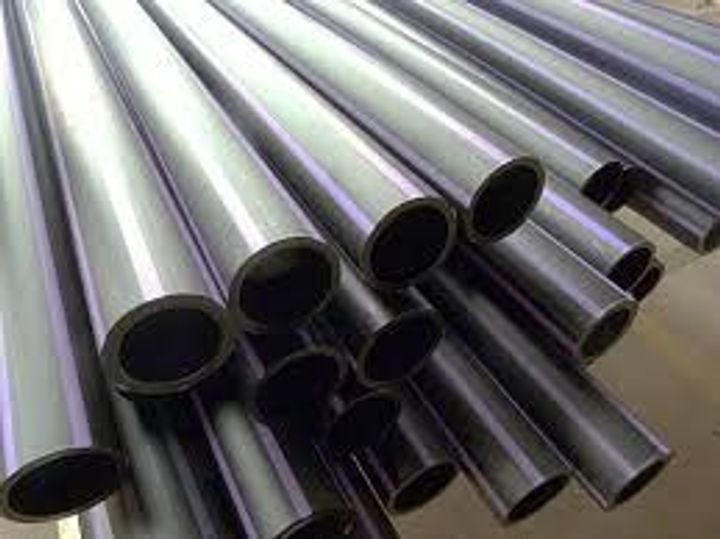
PVC pipes are among the most commonly used materials in modern plumbing, construction, and industrial systems. Known for their durability, versatility, and resistance to corrosion, these pipes play a crucial role in water supply, drainage, and irrigation. PVC, or polyvinyl chloride, has been widely adopted due to its balance between cost-effectiveness and performance.
What Are PVC Pipes and Why They Exist
PVC (polyvinyl chloride) is a synthetic plastic polymer that has been used in pipe manufacturing since the mid-20th century. The material was developed to replace metal pipes, which were prone to rust and heavy maintenance. Over time, PVC became the preferred choice for both residential and industrial applications due to its long life, lightweight structure, and smooth inner surface that improves fluid flow.
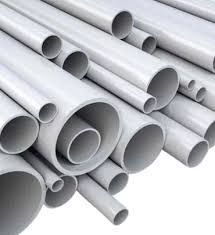
PVC pipes are produced in various thicknesses and diameters, depending on their use. Common forms include pressure pipes, non-pressure pipes, and conduits for electrical wiring. The flexibility of PVC technology also allows for customization, making it suitable for multiple industries such as construction, agriculture, and infrastructure.
Importance of PVC Pipes Today
PVC pipes have become essential for efficient water management and infrastructure development. Their resistance to corrosion makes them ideal for water supply and wastewater systems, especially in areas with varying environmental conditions.
They also contribute to sustainability by offering long service life and recyclability. Unlike metal alternatives, PVC pipes do not corrode or leak easily, reducing maintenance and preventing water loss — a growing global concern.
Industries benefiting from PVC pipes include:
-
Plumbing: Used for household and commercial water lines.
-
Irrigation: Supports agricultural irrigation networks for efficient water use.
-
Construction: Acts as conduits for electrical cables and drainage.
-
Industrial applications: Used in chemical handling and process systems due to chemical resistance.
PVC pipes also support smart water infrastructure, where monitoring and sensor systems are integrated to detect leaks and optimize flow — an emerging trend in sustainable urban design.
Recent Updates and Industry Trends
Over the past year, several updates and advancements have shaped the PVC pipe industry.
-
Sustainability Focus (2024–2025): Manufacturers are increasingly adopting recyclable PVC materials and eco-friendly additives to reduce environmental impact.
-
Improved Standards: In 2024, updates to global standards like ISO 1452 and ASTM D1785 emphasized quality control, ensuring better performance and safety in water distribution.
-
Growth in Smart Infrastructure: Many cities, especially in developing countries, are shifting toward PVC-based smart pipeline networks to manage water efficiently.
-
Innovation in Material Science: Modified PVC compounds, such as CPVC (Chlorinated PVC), have been gaining traction for high-temperature applications.
According to a 2025 industry report, the global demand for PVC pipes is expected to grow steadily due to urbanization and the replacement of outdated metal systems with lightweight, durable alternatives.
Laws, Policies, and Government Programs
Government regulations play a key role in determining the quality, safety, and sustainability of PVC pipe production and use.
In many countries, PVC pipes must comply with environmental and building standards to ensure public health and structural safety. Some examples include:
-
Bureau of Indian Standards (BIS): Specifies requirements under IS 4985 for unplasticized PVC pipes used for water supply.
-
Environmental Protection Guidelines: Encourage the use of lead-free stabilizers in PVC to prevent contamination.
-
Water Conservation Policies: Support the installation of leak-resistant piping systems to reduce water loss in agriculture and municipal networks.
-
Green Building Certifications: Programs like LEED (Leadership in Energy and Environmental Design) promote the use of recyclable and energy-efficient materials, including PVC pipes.
These frameworks ensure PVC products meet performance expectations while aligning with global goals for sustainability and public safety.
Tools and Resources for Understanding PVC Pipes
There are several helpful resources and tools for engineers, students, and builders to better understand and use PVC pipes effectively:
| Tool/Resource | Purpose | Website/Organization |
|---|---|---|
| PPI Handbook of Polyolefin Pipe | Technical reference for standards and applications | Plastic Pipe Institute (PPI) |
| PVC Pipe Flow Calculator | Estimates flow rates and pressure loss | Engineering Toolbox |
| BIS Standards Online | Access official Indian pipe standards | Bureau of Indian Standards |
| Water Supply Design Tool | Assists in planning irrigation and water systems | FAO Water Resources Portal |
| PVC4Pipes.org | Global information hub on sustainable PVC use | The European Council of Vinyl Manufacturers |
Using these resources, professionals can evaluate material selection, pipe sizing, and compliance requirements more effectively.
FAQs About PVC Pipes
Q1: What are the main advantages of PVC pipes?
PVC pipes are lightweight, corrosion-resistant, easy to install, and long-lasting. They provide smooth water flow and require minimal maintenance, making them suitable for both domestic and industrial applications.
Q2: How long do PVC pipes last?
Under normal conditions, PVC pipes can last 50 years or more. Their longevity depends on factors like water pressure, temperature, and environmental exposure.
Q3: Are PVC pipes safe for drinking water?
Yes, most PVC pipes designed for potable water meet strict safety standards, such as BIS or ASTM specifications. They are tested to ensure they do not leach harmful chemicals.
Q4: Can PVC pipes be recycled?
Yes. Modern recycling programs can repurpose old PVC materials into new pipes, flooring, or fittings, reducing environmental waste.
Q5: What is the difference between PVC and CPVC?
CPVC (Chlorinated PVC) is modified to handle higher temperatures and is often used for hot water supply lines, whereas standard PVC is suited for cold water and drainage.
Conclusion
PVC pipes remain one of the most practical and sustainable choices for modern infrastructure. They offer an effective balance between durability, performance, and environmental responsibility. With evolving technology, recycling methods, and global standards, PVC continues to adapt to meet the world’s growing water and construction needs.
As infrastructure expands and smart systems evolve, understanding the features, benefits, and latest advancements of PVC pipes helps communities, engineers, and policymakers make informed decisions for a sustainable future.