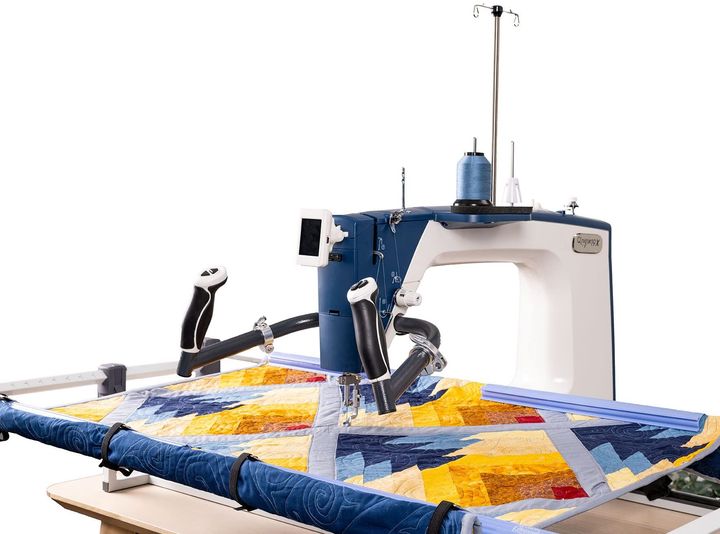
Explore Quilting Machines: Basics, Explanation, and Key Information
Quilting machines are specialized devices designed to stitch together multiple layers of fabric, usually a top layer, batting, and backing, into a finished quilt. Unlike basic sewing machines, quilting machines are built to handle thicker materials, larger fabric surfaces, and longer stitching sessions with greater stability and precision.
The concept of quilting has existed for centuries as a practical method to create warm and durable textiles. Quilting machines emerged to simplify and standardize this process, allowing consistent stitching patterns and reducing the physical effort required for hand quilting. Over time, these machines have evolved from simple mechanical systems to advanced, computer-assisted equipment capable of intricate designs.
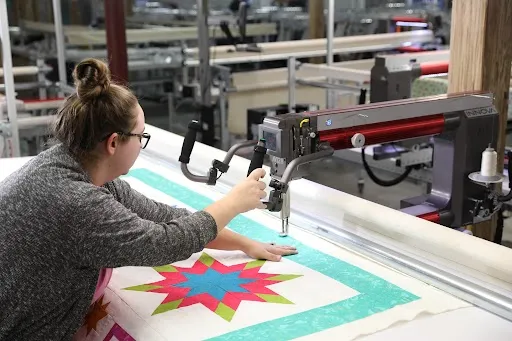
Today, quilting machines are used in home environments, educational settings, textile workshops, and manufacturing units. Their purpose remains centered on efficiency, accuracy, and repeatability in fabric layering and stitching tasks.
Importance: Why Quilting Machines Matter
Quilting machines play a significant role in modern textile creation and fabric craftsmanship. They support both creative expression and functional production, making quilting more accessible and scalable.
Key reasons quilting machines are important include:
-
Efficiency in textile work by reducing manual stitching time
-
Consistency in stitch quality across large fabric surfaces
-
Accessibility for beginners and learners through guided controls
-
Support for professional workflows in textile and fabric industries
These machines address common challenges such as uneven stitching, physical strain from hand quilting, and limitations in fabric size handling. They impact a wide range of users, including hobbyists, educators, designers, and small-scale textile producers, by improving workflow reliability and output quality.
Recent Updates: Trends and Developments
Recent developments in quilting machines focus on automation, precision control, and user-friendly interfaces. Manufacturers have introduced systems with enhanced stitch regulation, touch-based displays, and pattern libraries that allow users to execute complex designs with minimal manual adjustment.
Notable trends include:
-
Increased use of computerized pattern guidance
-
Improved stitch consistency through sensor-based regulation
-
Integration of digital design compatibility for custom patterns
-
Greater emphasis on ergonomic machine frames
Updates released in recent months highlight ongoing innovation toward simplifying machine operation while maintaining professional-level results. These changes reflect broader trends in textile machinery where digital assistance and precision engineering are becoming standard expectations.
Laws or Policies: Regulatory Considerations
Quilting machines are generally governed under broader equipment and textile manufacturing guidelines rather than specific standalone regulations. Policies related to electrical safety, machinery standards, and workplace equipment usage indirectly influence how quilting machines are designed and operated.
Common regulatory considerations include:
-
Compliance with electrical safety standards
-
Adherence to machinery operation guidelines
-
Alignment with textile production quality norms
Educational institutions and manufacturing units often follow additional internal policies to ensure safe handling, proper maintenance, and responsible use of quilting machines. These frameworks help promote safe operation without restricting creative or productive applications.
Tools and Resources: Helpful Support Options
A variety of tools and resources assist users in understanding, operating, and maintaining quilting machines. These resources focus on education, planning, and technical guidance rather than commercial activity.
Useful tools and resources include:
-
Digital quilting design software for pattern visualization
-
Stitch calculators to estimate stitch density and spacing
-
Instructional manuals and guides from machine manufacturers
-
Fabric planning templates for layout accuracy
-
Online knowledge libraries dedicated to quilting techniques
The following table outlines common resource categories and their purpose:
| Resource Type | Primary Use | Skill Level |
|---|---|---|
| Design Software | Pattern planning | Intermediate |
| Stitch Guides | Accuracy reference | Beginner |
| Maintenance Charts | Machine care | All levels |
| Fabric Templates | Layout alignment | Beginner |
| Technical Manuals | Operational clarity | Advanced |
These tools support informed decision-making and help users achieve consistent results.
Frequently Asked Questions
What makes a quilting machine different from a regular sewing machine?
A quilting machine is designed to handle thicker fabric layers and larger work areas, offering better stability and stitch control than standard sewing machines.
Are quilting machines suitable for beginners?
Yes, many quilting machines include guided features, adjustable settings, and clear controls that make them accessible to beginners while still supporting advanced techniques.
How do computerized quilting machines work?
Computerized quilting machines use digital patterns and automated controls to guide stitching paths, helping maintain consistency and accuracy throughout the quilting process.
What types of projects use quilting machines?
They are used for quilts, textile panels, padded fabrics, decorative wall hangings, and layered fabric products in both creative and functional contexts.
Do quilting machines require regular maintenance?
Routine maintenance such as cleaning, inspection, and calibration helps ensure smooth operation and consistent stitch quality over time.
Visual Overview: Common Quilting Machine Types
| Machine Type | Key Feature | Typical Application |
|---|---|---|
| Domestic Quilting Machine | Compact design | Home quilting |
| Long-Arm Quilting Machine | Extended frame | Large quilts |
| Computerized Quilting Machine | Digital patterns | Precision designs |
| Industrial Quilting Machine | High durability | Textile production |
Conclusion
Quilting machines represent a vital advancement in textile craftsmanship, bridging traditional quilting practices with modern mechanical precision. They exist to simplify complex fabric layering tasks, enhance stitch consistency, and support both creative and structured textile work.
Their importance continues to grow as technology improves usability, accuracy, and accessibility. With ongoing updates in automation and digital integration, quilting machines remain relevant tools for a broad audience. Supported by educational resources, planning tools, and clear operational guidelines, they offer a reliable foundation for learning, creating, and refining quilting techniques in a modern context.