Explore Smart Construction Robots: Overview, Tips, Knowledge & Key Details
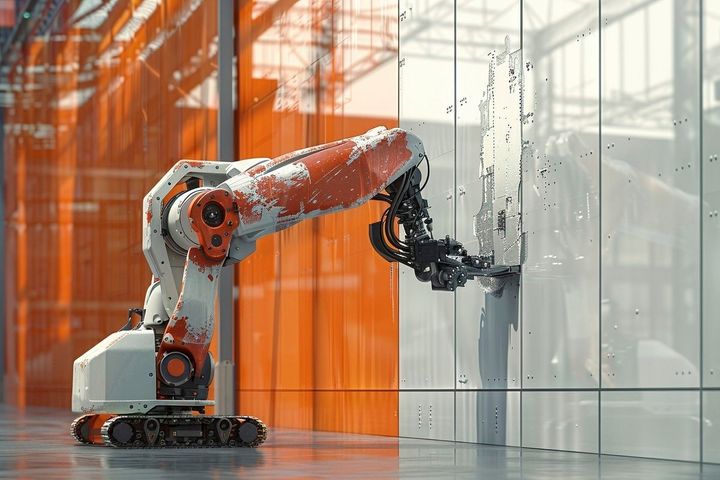
Smart construction robots are advanced machines designed to perform building and infrastructure tasks using automation, artificial intelligence, and sensor-based systems. These robots assist or replace manual labor in repetitive, risky, or highly precise activities such as bricklaying, welding, demolition, and site inspection.
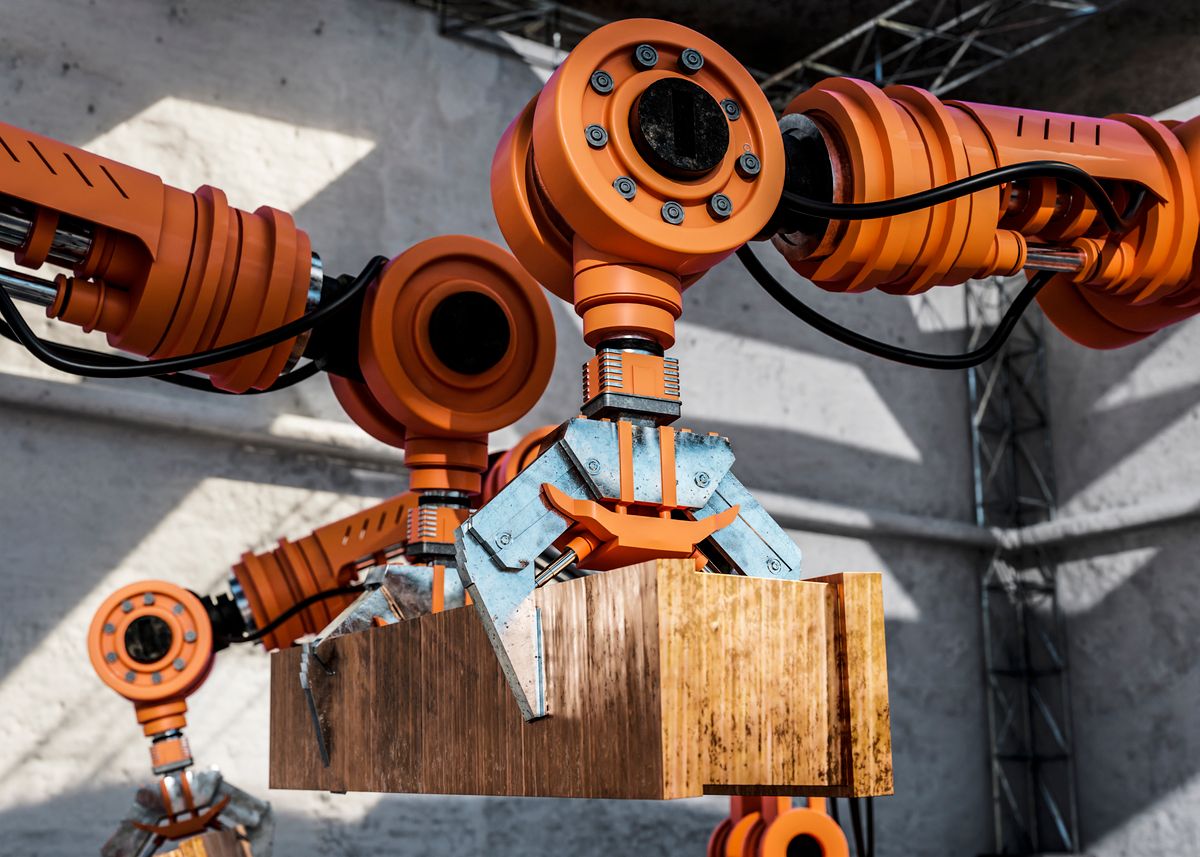
The concept exists because the construction industry often faces challenges like labor shortages, safety risks, delays, and inconsistent quality. Traditional methods rely heavily on human effort, which can vary in efficiency and accuracy. Smart robotics introduces consistency, precision, and data-driven decision-making into construction workflows.
These systems typically combine technologies such as:
-
Artificial intelligence and machine learning
-
Computer vision for object detection and navigation
-
Internet of Things (IoT) for real-time monitoring
-
Building Information Modeling (BIM) for planning and coordination
Together, these technologies enable robots to work autonomously or semi-autonomously, improving project execution across various construction stages.
Importance – Why Smart Construction Robots Matter
Smart construction robots play a significant role in modern infrastructure development. Their importance is growing due to increasing urbanization, demand for faster project delivery, and the need for safer work environments.
They affect multiple stakeholders, including:
-
Construction companies aiming for operational efficiency
-
Engineers and project managers seeking accuracy and predictability
-
Workers who benefit from reduced exposure to hazardous tasks
-
Governments focusing on infrastructure growth and sustainability
Key problems they help address include:
-
Labor shortages and skill gaps
-
Workplace accidents and safety risks
-
Project delays and cost overruns
-
Material waste and inefficiency
By improving productivity and reducing errors, these robots support better resource management and long-term project sustainability.
A simple comparison table highlights their impact:
| Aspect | Traditional Construction | Smart Construction Robots |
|---|---|---|
| Labor Dependency | High | Moderate to Low |
| Accuracy | Variable | High |
| Safety Risk | Higher | Lower |
| Speed of Work | Moderate | Faster |
| Data Utilization | Limited | Advanced Analytics |
Recent Updates – Trends and Developments
Recent developments show rapid advancements in smart construction robotics, driven by innovation in AI and automation technologies.
Some key trends include:
-
Increased use of autonomous equipment such as self-operating excavators and loaders
-
Growth of 3D printing robots capable of constructing building components layer by layer
-
Expansion of drone-based site monitoring for real-time progress tracking
-
Integration of digital twins and BIM with robotic systems for predictive planning
There is also a noticeable shift toward collaborative robots (cobots), which work alongside human workers rather than replacing them entirely. These systems improve productivity while maintaining human oversight.
Another emerging trend is sustainability-focused robotics. Robots are now being used to reduce material waste, optimize energy use, and support eco-friendly construction practices.
Laws or Policies – Regulatory Considerations
Smart construction robots are influenced by various regulations and standards related to safety, technology use, and labor practices.
Important areas of regulation include:
-
Workplace safety standards that ensure robots operate without endangering workers
-
Equipment certification requirements for automated machinery
-
Data privacy and cybersecurity rules for connected devices and IoT systems
-
Environmental guidelines for sustainable construction practices
Governments and regulatory bodies are gradually adapting policies to accommodate automation in construction. This includes setting guidelines for:
-
Human-robot interaction safety
-
Liability in case of system errors
-
Training requirements for operating robotic systems
Public infrastructure projects may also encourage the use of advanced construction technologies through innovation-driven frameworks and digital transformation initiatives.
Tools and Resources – Useful Platforms and Technologies
Smart construction robotics relies on a range of tools and digital resources that support planning, execution, and monitoring.
Common tools and platforms include:
-
Building Information Modeling (BIM) software for digital project planning
-
AI-powered project management tools for scheduling and forecasting
-
Robotics simulation software for testing automated workflows
-
Drone mapping tools for site inspection and surveying
-
IoT dashboards for real-time equipment monitoring
A simple overview table of tools:
| Tool Type | Purpose |
|---|---|
| BIM Software | Design and planning integration |
| AI Analytics Platforms | Predictive insights and risk analysis |
| Robotics Control Systems | Automation and machine operation |
| Drone Technology | Site mapping and inspection |
| IoT Monitoring Systems | Real-time tracking of equipment and data |
These resources help construction teams make informed decisions and improve overall project efficiency.
FAQs – Common Questions About Smart Construction Robots
What are smart construction robots used for?
They are used for tasks such as bricklaying, excavation, demolition, welding, and site inspection. Their main goal is to improve efficiency, accuracy, and safety.
Do smart construction robots replace human workers?
They typically assist rather than replace workers. Many robots handle repetitive or hazardous tasks, allowing humans to focus on supervision and complex decision-making.
Are these robots safe to use on construction sites?
Yes, when properly designed and regulated, they follow safety standards and reduce risks associated with manual labor.
How do smart construction robots improve efficiency?
They work with consistent precision, operate for longer durations, and use data-driven insights to optimize workflows and reduce errors.
What skills are needed to work with these robots?
Basic knowledge of digital tools, robotics systems, and data interpretation is helpful. Training programs are often required to operate and manage these systems effectively.
Conclusion
Smart construction robots represent a significant advancement in the construction industry. By combining automation, artificial intelligence, and digital tools, they address long-standing challenges such as labor shortages, safety risks, and inefficiencies.
Their growing adoption reflects a broader shift toward technology-driven infrastructure development. While challenges such as regulation and workforce adaptation remain, the overall impact of these systems is positive, supporting more reliable, efficient, and sustainable construction practices.