Flare Systems Overview: Basics, Explanation, and Key Information Guide
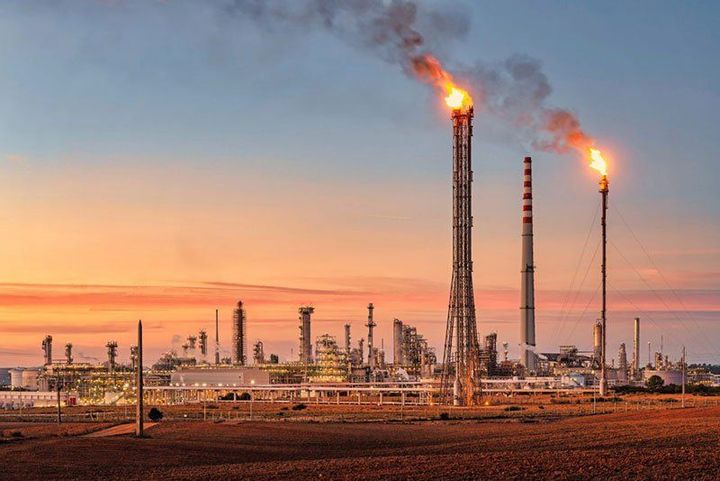
Flare systems are engineered safety and environmental control systems used in industrial facilities to safely burn off excess gases. They are most commonly found in oil and gas processing plants, refineries, petrochemical complexes, and large chemical manufacturing units.
When gases cannot be reused, stored, or processed immediately, releasing them directly into the atmosphere could create safety hazards or environmental harm. Flare systems exist to manage these situations by directing gases to a controlled combustion point, where they are ignited and converted into less harmful byproducts. This process reduces the risk of explosions, pressure buildup, and uncontrolled emissions.
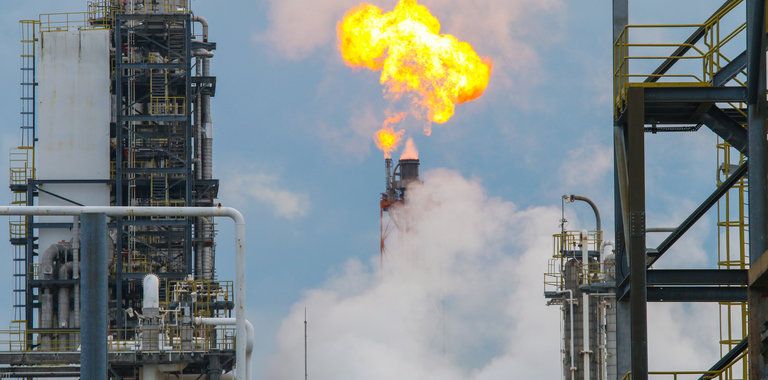
At their core, flare systems act as a safeguard. They operate during routine operations, maintenance activities, and emergency conditions. By providing a controlled outlet for gases, they help facilities maintain stable operations while protecting workers, surrounding communities, and infrastructure.
Importance: Why Flare Systems Matter Today
Flare systems play a critical role in modern industrial operations due to increasing energy demand, stricter environmental oversight, and higher expectations for workplace safety.
Key reasons flare systems remain important include:
-
Operational safety by preventing overpressure in pipelines and vessels
-
Environmental protection through controlled combustion instead of raw gas release
-
Regulatory alignment with emission and safety standards
-
Process reliability during startup, shutdown, or unexpected disruptions
Industries that handle volatile hydrocarbons rely on flare systems to manage risks associated with high-pressure and high-temperature processes. Without them, facilities would face higher chances of fires, toxic releases, or mechanical failure.
From an environmental perspective, flare systems help reduce the release of methane and other harmful gases. Although flaring still produces emissions, controlled combustion is generally safer than venting unburned gases directly into the air.
Recent Updates: Technology and Industry Trends
In the past year, flare system design and monitoring have continued to evolve, driven by environmental performance goals and digital transformation trends.
Notable developments include:
-
Improved flare efficiency monitoring using optical sensors and infrared cameras
-
Digital flare management systems integrated with plant control software
-
Advanced burner designs that improve combustion stability
-
Increased focus on flare gas recovery integration
Facilities are increasingly adopting real-time analytics to track flare performance. These systems help operators detect incomplete combustion, reduce smoke formation, and improve overall efficiency. There has also been a growing emphasis on transparent reporting of flaring activity as part of broader environmental performance frameworks.
Another trend is the modernization of older flare infrastructure. Many facilities are upgrading flare stacks, ignition systems, and control valves to meet updated performance expectations and operational reliability standards.
Laws or Policies: Regulatory Influence on Flare Systems
Flare systems are strongly influenced by safety and environmental regulations, even though requirements vary by jurisdiction. In general, governments and regulatory bodies require industries to limit uncontrolled emissions and manage hazardous gases responsibly.
Common regulatory themes include:
-
Limits on routine flaring where alternatives exist
-
Requirements for safe combustion efficiency
-
Monitoring and documentation of flaring events
-
Emergency preparedness and risk mitigation standards
International guidelines from organizations such as International Organization for Standardization and environmental frameworks inspired by agencies like Environmental Protection Agency often shape national rules. These policies encourage industries to adopt best practices, improve transparency, and reduce environmental impact without referencing any single country’s laws.
Tools and Resources: Helpful Support for Understanding Flare Systems
A wide range of technical tools and educational resources support engineers, safety professionals, and researchers working with flare systems. These resources help with system design, performance evaluation, and compliance documentation.
Useful tools and resources include:
-
Flare system simulation software for pressure and flow analysis
-
Emission estimation calculators used in environmental reporting
-
Process safety management platforms
-
Industry technical standards and handbooks
-
Academic and professional training modules
Below is a simplified table showing common flare system components and their functions:
| Component | Purpose |
|---|---|
| Flare Stack | Provides height for safe dispersion of combustion gases |
| Knockout Drum | Removes liquids before gas reaches the flare |
| Seal Drum | Prevents air ingress into the flare system |
| Ignition System | Ensures reliable and continuous flame |
| Control Valves | Regulate gas flow during flaring events |
These tools and references are often used alongside high-value technical documentation and process optimization guides, which are common in industrial engineering and environmental compliance research.
Understanding Flare System Types
Flare systems come in different configurations depending on facility size, gas composition, and safety requirements. The most common types include:
-
Elevated flares, which disperse combustion products at higher altitudes
-
Ground flares, designed with enclosed or semi-enclosed structures
-
Marine flares, used in offshore installations
Each type is selected based on land availability, noise considerations, visibility, and environmental conditions.
Performance Metrics and Monitoring
Modern flare systems are evaluated using several performance indicators. These metrics help operators understand efficiency and environmental impact.
Commonly monitored parameters include:
-
Combustion efficiency
-
Smoke and visible flame characteristics
-
Heat radiation levels
-
Frequency and duration of flaring events
The use of digital dashboards and automated alerts has made performance tracking more precise and data-driven.
FAQs: Common Questions About Flare Systems
What is the main purpose of a flare system?
The main purpose is to safely dispose of excess or unwanted gases through controlled combustion, reducing safety risks and environmental harm.
Are flare systems used only in emergencies?
No. While they are essential during emergencies, flare systems are also used during routine operations such as maintenance, startup, and shutdown processes.
Do flare systems eliminate all emissions?
Flare systems reduce the release of unburned gases, but combustion still produces byproducts such as carbon dioxide and water vapor.
How are flare systems monitored?
They are monitored using sensors, cameras, and control systems that track flame presence, combustion efficiency, and emission characteristics.
What industries rely most on flare systems?
Oil and gas processing, petrochemical manufacturing, chemical production, and large-scale energy facilities rely heavily on flare systems.
Conclusion
Flare systems are a foundational element of industrial safety and environmental management. They exist to manage risk, protect infrastructure, and ensure that excess gases are handled in a controlled and predictable way. As industries evolve, flare systems continue to adapt through improved monitoring, smarter controls, and better integration with process management technologies.
Understanding how flare systems work, why they matter, and how they are regulated provides valuable insight into modern industrial operations. With continued focus on safety, efficiency, and transparency, flare systems remain a critical tool in balancing industrial activity with environmental responsibility.