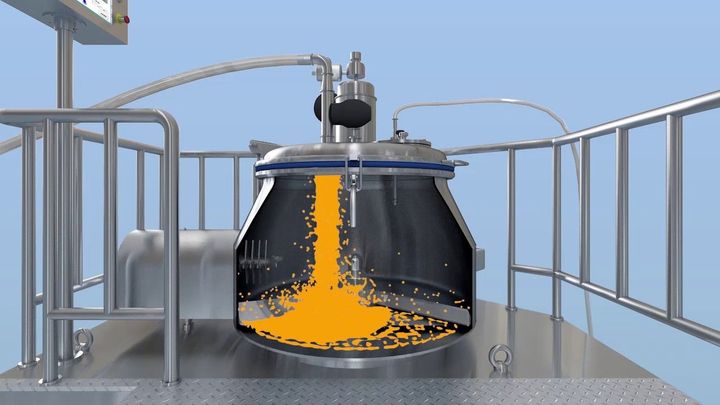
Granulation Machines: An Informative Guide to Basics, Working Process, and Key Insights
Granulation machines are widely used in manufacturing environments where raw materials must be transformed into uniform particles or granules. Industries such as pharmaceuticals, plastics recycling, chemicals, and food processing rely on granulation to improve material handling, consistency, and processing efficiency.
The concept of granulation exists because many raw materials begin as powders, flakes, or irregular fragments. These forms can be difficult to transport, measure, or process accurately. Granulation technology converts them into consistent particle sizes, improving flowability, reducing dust, and enhancing product stability. Over time, advancements in industrial machinery, automation, and process monitoring have expanded the capabilities of granulation systems, making them a fundamental part of modern manufacturing operations.
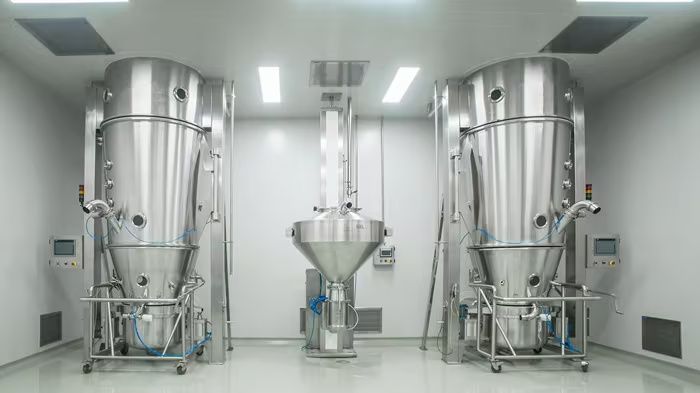
Understanding Granulation Machines
A granulation machine is a type of industrial equipment designed to break down or reform materials into granules. The process can involve cutting, crushing, compacting, or agglomerating particles depending on the application.
Granulation is generally divided into two major categories:
| Granulation Type | Description | Typical Applications |
|---|---|---|
| Dry Granulation | Material is compressed and broken into granules without liquids | Pharmaceuticals, chemicals |
| Wet Granulation | Liquid binders are used to form larger particles | Food processing, fertilizers |
| Plastic Granulation | Plastic waste is shredded and reduced into small pellets | Recycling and polymer processing |
Granulation machines typically contain rotating blades, screens, or rollers that control particle size and consistency. The design varies based on the material being processed and the required final granule size.
Basic Working Process of Granulation Machines
Although machine designs vary, the core working principle follows a sequence of material preparation, size reduction, and particle classification.
Material Feeding
Raw materials such as plastic scraps, powder blends, or chemical compounds are fed into the granulation chamber. Feeding systems may use hoppers, conveyors, or automated dosing equipment.
Size Reduction or Particle Formation
Inside the machine, rotating knives, rollers, or mixing paddles perform the primary granulation action. Depending on the machine type:
-
Cutting blades reduce larger pieces into smaller fragments
-
Compression rollers compact powders into granules
-
Mixing paddles agglomerate particles using moisture or binders
This step determines the final particle structure and consistency.
Screening and Classification
Granulation machines often use perforated screens to ensure uniform granule size. Particles that are too large remain inside the chamber for additional processing until they meet the desired specifications.
Collection and Handling
Once the particles reach the required size, they exit through discharge ports and are collected in containers or conveyed to the next stage of production.
The efficiency of the process depends on several operational factors, including rotor speed, screen size, feed rate, and material characteristics.
Why Granulation Machines Matter in Modern Manufacturing
Granulation technology plays an important role in multiple industries because it helps standardize materials and improve production efficiency.
In pharmaceutical manufacturing, granulation ensures uniform mixing of active ingredients and excipients. Consistent particle size improves tablet compression and dosage accuracy.
In plastic recycling systems, granulators convert large pieces of polymer waste into reusable pellets. This process supports circular manufacturing practices and reduces material waste.
Chemical production facilities also rely on granulation to stabilize powders and prevent segregation during transportation or storage.
Several operational benefits make granulation machines valuable in industrial processes:
-
Improved material flow during handling and packaging
-
Reduced airborne dust and workplace contamination
-
Enhanced mixing uniformity in multi-component formulations
-
Increased surface area for chemical reactions or dissolution
-
Greater control over particle size distribution
These advantages support both manufacturing efficiency and product quality control.
Industrial Sectors That Use Granulation Technology
Granulation machines are widely integrated across several industrial sectors.
| Industry | Common Materials Processed | Purpose of Granulation |
|---|---|---|
| Pharmaceuticals | Powder formulations | Tablet and capsule production |
| Plastics Recycling | Polymer waste, plastic scrap | Material recovery and pelletization |
| Agriculture | Fertilizers and nutrients | Controlled nutrient release |
| Food Processing | Flavor powders, instant drink mixes | Improved mixing and solubility |
| Chemical Manufacturing | Catalysts and compound powders | Particle stability and transport |
Each industry adapts granulation technology according to its material properties and processing requirements.
Developments and Trends in Granulation Technology
Granulation equipment has evolved significantly in recent years due to the integration of digital monitoring and automation technologies.
One of the most noticeable developments is the adoption of process analytical technology (PAT) systems in industrial granulators. These systems allow operators to monitor particle size, moisture levels, and density during production. Improved monitoring supports consistent quality and reduces material waste.
Another trend involves the use of energy-efficient motor systems and optimized rotor designs. Industrial equipment manufacturers have focused on improving energy consumption while maintaining high throughput.
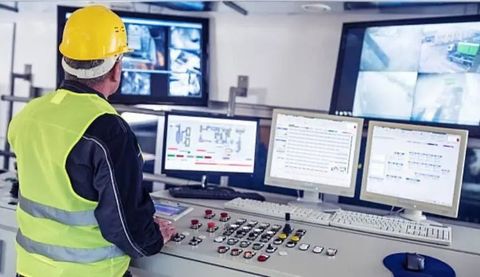
Automation has also influenced modern granulation systems. Advanced machines may include programmable control systems that adjust rotor speed, feed rate, and temperature in real time.
Environmental considerations are shaping equipment design as well. Manufacturers increasingly incorporate noise reduction, dust extraction systems, and enclosed processing chambers to improve workplace safety and reduce emissions.
In addition, recycling industries are expanding the use of high-capacity plastic granulators capable of processing diverse polymer types such as PET, HDPE, and polypropylene. These developments reflect broader industrial efforts toward resource efficiency and sustainable material management.
Regulatory Considerations in Industrial Granulation
Granulation processes often operate within regulated manufacturing environments. Regulations typically focus on safety, environmental protection, and product quality standards.
Industrial machinery used in processing environments must follow general safety guidelines related to mechanical operation, electrical systems, and operator protection. These guidelines often require:
-
Emergency stop mechanisms
-
Protective guards around rotating components
-
Noise and vibration control
-
Dust collection or filtration systems
In pharmaceutical manufacturing, additional quality frameworks influence granulation processes. Production systems must follow validated procedures that ensure consistent product formulation and traceability throughout the manufacturing cycle.
Environmental policies may also influence granulation facilities, particularly when processing plastics or chemical materials. Dust management, waste handling, and emissions control are common regulatory considerations in industrial plants.
While regulations vary across regions, most frameworks emphasize worker safety, environmental protection, and quality assurance.
Helpful Tools and Resources for Understanding Granulation Systems
Various digital tools and informational resources support engineers, students, and industry professionals who want to understand granulation technology more deeply.
Common resources include:
• Particle Size Distribution Calculators – Used to analyze and compare particle measurements during testing.
• Industrial Process Simulation Software – Helps model material flow and machine performance.
• Equipment Maintenance Checklists – Structured templates used to monitor wear, lubrication, and component conditions.
• Engineering Databases and Technical Journals – Provide research articles and technical documentation about material processing.
• Manufacturing Workflow Templates – Useful for documenting production stages and quality control procedures.
Many universities and industrial training institutions also publish technical guides explaining particle engineering, powder technology, and mechanical processing methods.
Operational Factors That Influence Granulation Performance
The effectiveness of granulation machines depends on several technical variables.
| Factor | Description | Impact on Process |
|---|---|---|
| Rotor Speed | Speed of rotating blades or paddles | Determines particle size and throughput |
| Screen Size | Diameter of perforations in classification screens | Controls final granule dimensions |
| Feed Rate | Amount of material entering the machine | Influences production efficiency |
| Moisture Level | Presence of liquid binders or humidity | Affects particle cohesion |
| Material Hardness | Mechanical resistance of raw material | Determines required cutting force |
Optimizing these factors helps maintain consistent product quality while preventing excessive wear on machine components.
Frequently Asked Questions
What is the main purpose of a granulation machine?
A granulation machine converts powders, flakes, or irregular materials into uniform particles. This improves material flow, mixing consistency, and processing efficiency in manufacturing environments.
What industries commonly use granulation equipment?
Industries such as pharmaceuticals, plastics recycling, chemical production, agriculture, and food processing frequently use granulation systems to standardize material particle size.
What is the difference between granulation and grinding?
Grinding primarily reduces materials into fine powders, while granulation focuses on producing controlled particle sizes that improve handling and product stability.
How does particle size affect manufacturing processes?
Particle size influences mixing behavior, dissolution rates, chemical reactions, and flow characteristics. Uniform particle distribution often improves process consistency.
Are granulation machines automated?
Many modern granulation systems include automated controls and monitoring technologies. These systems allow operators to adjust parameters such as speed, feed rate, and temperature to maintain consistent production conditions.
Conclusion
Granulation machines represent a crucial technology in industrial material processing. By transforming powders, flakes, and scrap materials into uniform granules, these machines improve production efficiency, material handling, and product consistency across multiple industries.
Advancements in automation, monitoring systems, and energy-efficient designs continue to shape modern granulation equipment. At the same time, regulatory frameworks emphasize safe operation, environmental responsibility, and quality control.