Industrial Fasteners Overview: Detailed Explanation, Types, Uses, and Key Insights
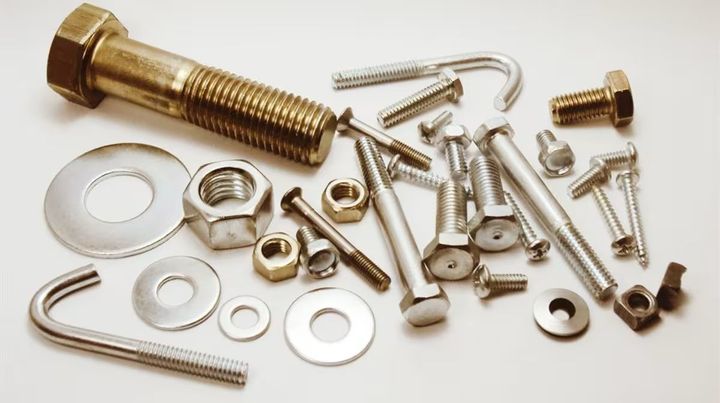
Industrial fasteners are mechanical components used to join, secure, or assemble two or more parts together. They exist to create stable connections in structures, machines, and equipment while allowing controlled disassembly when required. Unlike welding or bonding, fasteners provide flexibility in maintenance, repair, and upgrades.
Fasteners are designed to handle different loads, materials, environments, and performance requirements. From heavy industrial equipment to precision electronics, these components support both structural integrity and functional reliability. Their standardized designs make them interchangeable across industries, supporting efficient manufacturing and global compatibility.
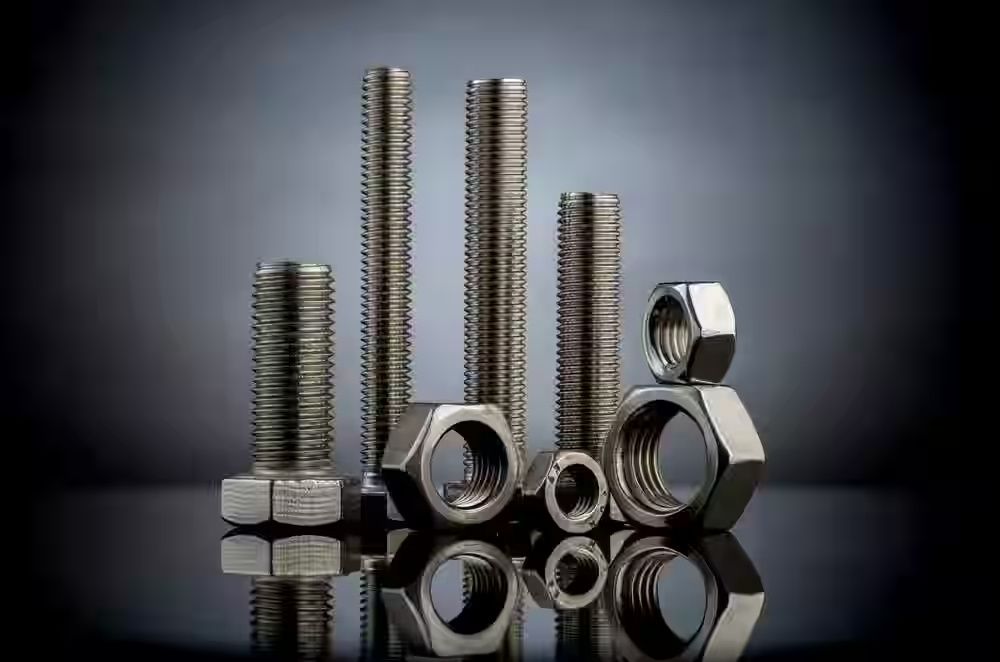
At a basic level, industrial fasteners convert applied torque or force into clamping pressure. This pressure holds components together, resisting movement caused by vibration, temperature changes, or mechanical stress. Over time, fasteners have evolved to meet higher safety, durability, and efficiency expectations.
Importance
Industrial fasteners play a foundational role in modern infrastructure and manufacturing systems. They directly affect safety, performance, and longevity across multiple sectors.
Key reasons this topic matters today include:
-
Increased demand for modular and maintainable systems
-
Growing use of lightweight and advanced materials
-
Higher safety and compliance expectations
-
Expansion of automation and precision engineering
Industries that rely heavily on industrial fasteners include:
-
Construction and infrastructure development
-
Automotive and transportation systems
-
Energy and power generation equipment
-
Aerospace and heavy engineering
-
Electronics and industrial machinery
Fasteners solve several practical challenges, such as:
-
Maintaining alignment under mechanical stress
-
Allowing repeatable assembly and disassembly
-
Supporting load distribution across joined parts
-
Reducing failure risks due to vibration or fatigue
A failure in fastener selection or installation can compromise entire systems. This makes fasteners a critical, though often overlooked, engineering element.
Types and Classification of Industrial Fasteners
Industrial fasteners are broadly categorized based on design, application, and load behavior. Below is a simplified classification.
| Fastener Category | Common Examples | Typical Applications |
|---|---|---|
| Threaded Fasteners | Bolts, screws, studs | Machinery, frames, engines |
| Non-Threaded Fasteners | Rivets, pins | Permanent assemblies |
| Anchoring Fasteners | Anchors, inserts | Concrete and masonry |
| Specialty Fasteners | Washers, retaining rings | Load control and alignment |
Threaded fasteners
These use internal or external threads to create clamping force. They are widely used due to their reusability and compatibility with standardized tools.
Non-threaded fasteners
These are often selected for permanent joints or applications where vibration resistance is critical.
Anchoring fasteners
Designed to secure components into base materials like concrete, stone, or composites.
Specialty fasteners
Used to control load distribution, prevent loosening, or retain moving parts.
Materials Used in Industrial Fasteners
Material selection affects strength, corrosion resistance, and environmental performance.
Common materials include:
-
Carbon steel for general structural use
-
Alloy steel for high-strength applications
-
Stainless steel for corrosion resistance
-
Aluminum for lightweight assemblies
-
Brass and copper alloys for electrical and low-sparking environments
The choice depends on factors such as temperature exposure, moisture, chemical contact, and load conditions.
Recent Updates and Industry Trends
In recent months, industrial fastener development has focused on performance optimization and sustainability.
Notable trends include:
-
Wider adoption of high-strength, lightweight fasteners
-
Increased use of corrosion-resistant coatings
-
Improved surface treatments for longer service life
-
Enhanced standards for vibration resistance
-
Greater emphasis on traceability and quality control
Digital manufacturing systems have also influenced fastener design. Precision threading, tighter tolerances, and improved testing methods are becoming more common. Additionally, simulation-based engineering is helping predict fastener behavior under complex load conditions.
Environmental considerations are shaping material selection and finishing processes, with a focus on durability and reduced maintenance cycles.
Laws or Policies Affecting Industrial Fasteners
Industrial fasteners are influenced by engineering standards, safety regulations, and compliance frameworks rather than direct consumer policies.
These rules typically focus on:
-
Mechanical strength and load ratings
-
Dimensional accuracy and tolerances
-
Material composition and testing methods
-
Safety performance under operational stress
Standards organizations define specifications that ensure fasteners meet consistent performance benchmarks across industries. Compliance with these frameworks supports interoperability, risk reduction, and structural safety in large-scale projects.
While regulations vary across regions, the underlying goal remains uniform performance, traceability, and reliability in critical applications.
Tools and Resources
Several technical tools and references support fastener selection, design, and analysis.
Helpful resources include:
-
Fastener torque calculators
-
Thread pitch and size reference charts
-
Engineering material comparison tables
-
Load and stress analysis tools
-
Technical standards documentation platforms
Below is an example of how torque relates to fastener performance.
| Fastener Size | Typical Torque Range | Application Type |
|---|---|---|
| Small diameter | Low to moderate | Electronics, light assemblies |
| Medium diameter | Moderate to high | Machinery, frames |
| Large diameter | High | Structural and heavy equipment |
These tools help engineers and technicians ensure correct installation and long-term performance.
Frequently Asked Questions
What is the difference between a bolt and a screw?
A bolt typically works with a nut to create clamping force, while a screw forms threads directly into the material it is fastened to.
Why is torque important in fasteners?
Proper torque ensures the correct clamping force. Too little torque can cause loosening, while excessive torque may lead to material failure.
How are fasteners tested for strength?
They are tested using tensile, shear, and fatigue tests to confirm performance under expected loads.
What causes fasteners to loosen over time?
Vibration, thermal expansion, and repeated loading cycles are common causes of loosening.
Are coatings important for fasteners?
Yes. Coatings improve corrosion resistance, reduce friction during installation, and extend service life.
Conclusion
Industrial fasteners are essential components that support structural stability, safety, and efficiency across modern industries. Though small in size, their impact is significant, influencing system reliability and long-term performance.
Understanding fastener types, materials, and performance principles helps reduce risk and improve design outcomes. Ongoing advancements in materials science, testing methods, and manufacturing precision continue to strengthen the role of fasteners in industrial systems.
As engineering demands grow more complex, the importance of selecting and applying the right fastener solutions becomes increasingly critical.