Industrial Leak Detection Systems: Key Trends and Insights
Industrial leak detection systems help facilities identify unwanted releases of gases, liquids, and vapors through sensors, monitoring equipment, imaging technologies, and automated alerts.
Industrial leak detection systems are technologies used to identify unwanted releases from pipelines, tanks, valves, pumps, compressors, pressure systems, and other industrial equipment. A leak may involve natural gas, refrigerants, chemicals, compressed air, steam, water, or other process fluids.
These systems exist because small leaks can develop into larger operational, environmental, or safety concerns. Traditional inspections may rely on handheld instruments and scheduled checks, while modern industrial monitoring can combine fixed sensors, infrared imaging, acoustic detection, pressure monitoring, and digital analytics.
The basic process is straightforward: detect an unusual signal, identify its location, assess its severity, and determine the appropriate response.
Common technologies include:
- Gas detection sensors
- Infrared and optical gas imaging
- Ultrasonic leak detection
- Pressure and flow monitoring
- Acoustic emission sensors
- Portable detection instruments
- Continuous environmental monitoring
Why Leak Detection Matters
Leak detection has become increasingly important as industrial facilities manage more complex equipment and stricter environmental expectations. A leak can affect production continuity, worker safety, environmental performance, and equipment reliability.
Industries that commonly use these systems include oil and gas, chemical processing, manufacturing, power generation, refrigeration, water infrastructure, and industrial utilities.
Continuous monitoring can provide earlier indications of abnormal conditions than periodic inspection alone. This is particularly useful in areas where equipment operates continuously or where direct access is difficult.
Industrial leak detection also supports fugitive emissions monitoring, process safety, methane detection, pipeline monitoring, and environmental compliance.
A well-designed monitoring approach can help facilities:
- Identify developing leaks earlier
- Locate difficult-to-find releases
- Reduce unnecessary manual inspections
- Improve maintenance planning
- Track recurring leak patterns
- Support environmental reporting
- Strengthen industrial safety procedures
Recent Technology and Regulatory Developments
Technology has continued moving toward remote, continuous, and data-driven leak detection.
Research published in 2025 highlighted the growing role of artificial intelligence and machine learning in analyzing sensor information and identifying complex leak patterns. AI-based analysis can help process large volumes of monitoring data and identify unusual behavior that may require investigation.
In the United States, methane monitoring has also continued evolving. EPA's methane-related programs have increasingly incorporated advanced detection and measurement technologies, including remote sensing and alternative monitoring methods. In April 2026, EPA finalized narrow technical changes to its oil and natural gas methane regulations following reconsideration of parts of the 2024 rule.
EPA also maintains an alternative-test-method program for methane detection. Its 2026 information shows continued evaluation and approval of technologies intended for methane monitoring.
These developments indicate a broader industry trend toward combining sensors, imaging, automation, and data analytics rather than relying on one detection method.
Laws, Policies, and Compliance
Leak detection requirements depend heavily on the country, industry, material being monitored, and type of facility. In the United States, several EPA frameworks address fugitive emissions and leak detection.
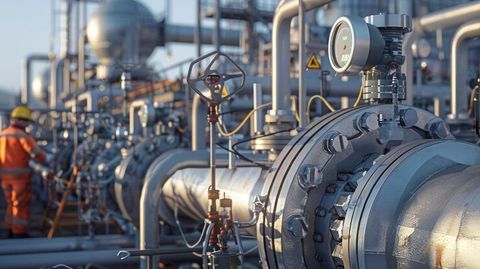
For example, EPA's requirements for certain oil and natural gas operations include monitoring approaches such as optical gas imaging and EPA Method 21. EPA's current guidance also identifies valves, connectors, compressors, pressure relief devices, flanges, and related components as potential fugitive-emission sources.
The Resource Conservation and Recovery Act also includes leak detection and repair requirements for certain hazardous-waste facilities under applicable organic air-emission standards.
Because requirements differ by facility and jurisdiction, organizations should review the regulations applicable to their specific equipment and operations.
Tools and Resources for Leak Monitoring
Several categories of tools can support industrial leak detection programs:
| Tool | Typical Purpose |
|---|---|
| Gas sensors | Detect specific gases |
| Infrared cameras | Visualize certain gas releases |
| Ultrasonic detectors | Identify high-frequency leak sounds |
| Pressure sensors | Detect abnormal pressure changes |
| Flow meters | Compare expected and actual flow |
| Data dashboards | Track alarms and trends |
| Inspection templates | Standardize monitoring records |
Digital dashboards can combine readings from multiple sensors and provide historical data for trend analysis. Maintenance teams can also use inspection checklists, equipment inventories, alarm logs, and regulatory recordkeeping templates.
Frequently Asked Questions
What is an industrial leak detection system?
It is a combination of sensors, instruments, software, or inspection methods used to identify unwanted releases from industrial equipment and infrastructure.
Which industries use leak detection systems?
Oil and gas, chemical processing, manufacturing, power generation, refrigeration, utilities, and other industries with pressurized or hazardous materials commonly use leak detection technologies.
How are industrial leaks detected?
Detection may involve gas sensors, infrared imaging, ultrasonic monitoring, pressure measurements, flow analysis, acoustic signals, or manual inspection.
Can AI be used for leak detection?
Yes. AI and machine learning can analyze sensor data, identify abnormal patterns, support leak localization, and help prioritize investigations. Their effectiveness depends on sensor quality, system design, and operating conditions.
Are leak detection requirements the same everywhere?
No. Regulations vary by country, industry, substance, equipment type, and facility. Local environmental and safety requirements should always be reviewed.
Conclusion
Industrial leak detection systems are becoming an important part of modern industrial monitoring. Technologies ranging from gas sensors and ultrasonic instruments to infrared imaging and AI-based analytics provide different ways to identify abnormal releases.
Recent developments show a clear movement toward continuous monitoring, remote detection, better emissions measurement, and data-driven analysis. However, technology selection should reflect the material being monitored, operating environment, detection objectives, and applicable regulations.
Disclaimer: This article is intended for general educational purposes. Regulatory requirements can change and may differ by location, industry, facility, and equipment. It should not be treated as legal, environmental, engineering, or regulatory advice.