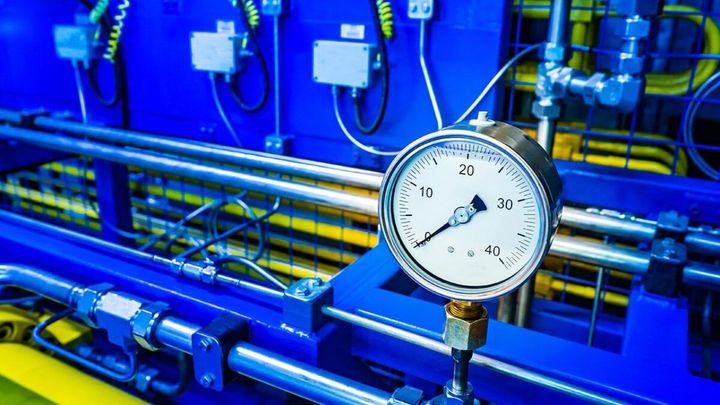
Industrial Pressure Systems: Explore Basics, Explanation, and Key Insights
Industrial pressure systems are mechanical systems designed to store, control, or transfer fluids or gases under pressure. These systems are widely used across manufacturing, energy production, chemical processing, water treatment, and many other industrial environments.
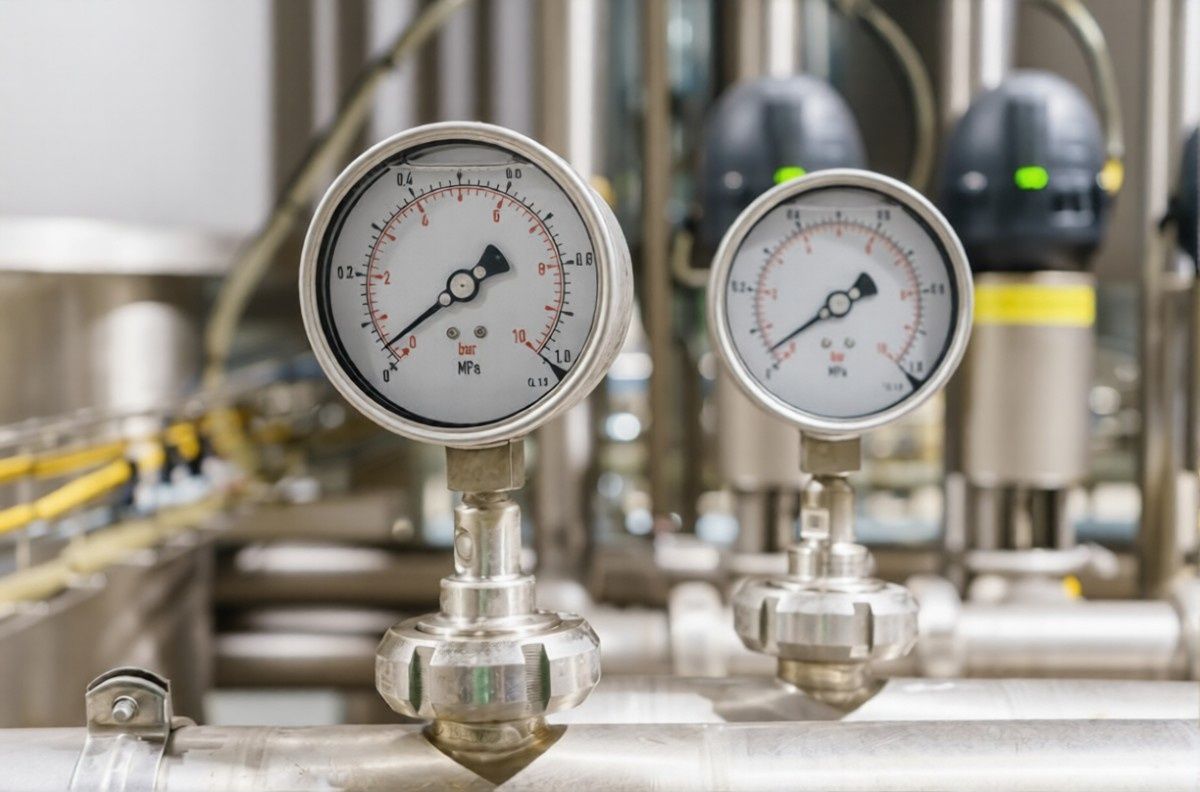
In simple terms, pressure systems help move or contain substances efficiently by applying controlled force. This force can push liquids through pipelines, store compressed gases in cylinders, or maintain stable operating conditions in industrial processes.
Common components found in industrial pressure systems include:
-
Pressure vessels
-
Boilers
-
Compressors
-
Valves and regulators
-
Pipelines and fittings
-
Pressure gauges and monitoring sensors
These components work together to maintain safe pressure levels while ensuring smooth industrial operations.
Industrial pressure systems are often designed according to engineering principles related to pressure vessel design, fluid dynamics, and industrial safety standards. Their purpose is not only to enable production but also to ensure controlled and predictable process conditions.
Many industries rely on industrial pressure control systems to maintain product quality, regulate chemical reactions, or power mechanical equipment. Without these systems, many large-scale processes would become inefficient or unsafe.
Why Industrial Pressure Systems Matter in Modern Industries
Industrial pressure systems play a central role in the functioning of modern infrastructure and industrial operations. They influence productivity, safety, energy efficiency, and environmental performance.
Many industries depend on pressure systems every day.
Examples include:
-
Oil and gas refining
-
Pharmaceutical production
-
Power generation plants
-
Food and beverage processing
-
Chemical manufacturing
-
Water purification facilities
In these sectors, pressure systems help maintain stable operating conditions.
Key reasons these systems remain important include:
Process efficiency
Pressure helps move fluids quickly through pipelines, reducing the need for additional mechanical transport systems.
Energy management
Steam pressure systems are commonly used in power plants and industrial heating processes, supporting efficient energy conversion.
Industrial automation
Modern pressure monitoring technologies allow automated systems to regulate pressure levels without manual intervention.
Operational safety
Properly designed pressure vessels and safety valves prevent over-pressurization and reduce the risk of mechanical failure.
Environmental management
Pressure systems are also used in emissions control, gas storage, and wastewater treatment facilities.
Because of these applications, industrial pressure technology continues to evolve alongside modern manufacturing and infrastructure development.
Recent Developments and Trends in Pressure System Technology
In recent times, industrial pressure systems have experienced significant technological improvements. Industries are adopting advanced monitoring tools and digital solutions to increase reliability and operational transparency.
Several trends have emerged in the past year.
Digital pressure monitoring systems
Many facilities now use smart pressure sensors connected to industrial Internet of Things (IoT) platforms. These systems provide real-time pressure monitoring and automated alerts when conditions deviate from normal ranges.
Predictive maintenance technologies
AI-based monitoring tools analyze pressure data to identify early signs of equipment wear or potential failure. This helps maintenance teams prevent unexpected downtime.
Improved pressure vessel materials
Engineering research has focused on advanced alloys and composite materials that can withstand higher temperatures and pressures while reducing corrosion risks.
Remote monitoring dashboards
Cloud-based monitoring systems allow engineers to track pressure readings across multiple facilities using digital dashboards.
Energy-efficient compressed air systems
Compressed air systems are widely used in manufacturing. New pressure optimization technologies help reduce energy consumption by adjusting pressure levels dynamically.
Below is a simple comparison table showing how monitoring approaches have evolved.
| Monitoring Method | Key Features | Industrial Impact |
|---|---|---|
| Manual gauges | Periodic inspection | Limited data visibility |
| Digital sensors | Continuous readings | Better system awareness |
| IoT pressure monitoring | Real-time alerts and data analysis | Improved predictive maintenance |
| AI-driven analytics | Pattern detection and anomaly prediction | Higher reliability and safety |
These innovations aim to reduce operational risks and improve industrial efficiency.
Regulations and Safety Frameworks Influencing Pressure Systems
Industrial pressure systems are heavily influenced by safety regulations and engineering standards. Because these systems involve stored energy and high-pressure environments, strict safety guidelines are essential.
Regulatory frameworks typically focus on:
-
Design standards for pressure vessels
-
Inspection and testing procedures
-
Maintenance requirements
-
Operator safety protocols
-
Emergency pressure release systems
Engineering standards commonly used in industrial design include:
-
Pressure vessel construction standards
-
Boiler safety codes
-
Mechanical equipment certification guidelines
-
Industrial workplace safety frameworks
Regulatory bodies and engineering organizations establish these standards to ensure that pressure equipment operates safely.
Typical regulatory requirements include:
-
Periodic inspection of pressure vessels
-
Hydrostatic pressure testing
-
Certification of safety valves
-
Documentation of maintenance procedures
-
Compliance with workplace safety rules
Industries must maintain detailed records of inspections, repairs, and system performance.
Failure to follow proper safety guidelines can result in mechanical damage, operational disruptions, or workplace hazards. For this reason, pressure system safety management is a major component of industrial engineering practices.
Tools and Resources Used for Pressure System Management
Various digital tools, engineering software platforms, and monitoring technologies support the management of industrial pressure systems.
These resources help engineers analyze system performance, monitor pressure levels, and maintain operational safety.
Common tools include:
Pressure monitoring software
These platforms display real-time pressure data from sensors and provide alerts when thresholds are exceeded.
Engineering simulation software
Simulation tools help engineers model pressure systems during the design stage to evaluate performance under different conditions.
Industrial data dashboards
Many industrial facilities use dashboards that combine pressure data with temperature, flow rate, and equipment performance metrics.
Pressure vessel design calculators
Engineering calculators assist with:
-
wall thickness calculations
-
stress analysis
-
safety factor evaluation
Maintenance tracking platforms
Digital maintenance logs help track inspection schedules, valve testing, and equipment service history.
Below is a simple example of pressure monitoring data visualization.
Pressure Level Trend (Example)
Pressure (bar)
10 |                 *
 9 |               *   *
 8 |             *       *
 7 |           *           *
 6 |        *                *
 5 |_____ *____________________*____
        Time →
This type of trend analysis helps engineers detect unusual pressure spikes or drops.
Useful resources for learning about pressure systems include:
-
industrial engineering research publications
-
mechanical engineering design textbooks
-
professional engineering associations
-
industrial safety training platforms
These sources provide guidance on pressure vessel design, system maintenance, and operational safety practices.
Frequently Asked Questions About Industrial Pressure Systems
What is an industrial pressure system?
An industrial pressure system is a mechanical setup that stores, regulates, or transports fluids or gases under controlled pressure. These systems include equipment such as pressure vessels, pipelines, compressors, and valves.
Where are pressure systems commonly used?
Pressure systems are widely used in industries such as:
-
oil and gas processing
-
chemical manufacturing
-
power generation
-
water treatment
-
food and beverage production
They support processes that require controlled fluid flow or compressed gases.
What are pressure vessels?
Pressure vessels are containers specifically designed to hold gases or liquids at pressures significantly different from the surrounding environment. They are engineered with strong materials and safety mechanisms to prevent structural failure.
Why is pressure monitoring important?
Pressure monitoring helps detect abnormal pressure levels that could lead to equipment damage or safety risks. Continuous monitoring also improves system efficiency and supports predictive maintenance strategies.
What safety devices are used in pressure systems?
Common safety devices include:
-
pressure relief valves
-
rupture disks
-
safety shut-off valves
-
pressure gauges and sensors
These devices help prevent over-pressurization and protect industrial equipment.
Conclusion
Industrial pressure systems are essential components of modern industrial infrastructure. They enable the safe storage, control, and transportation of gases and liquids across a wide range of industries.
From power generation and chemical processing to water treatment and manufacturing, pressure systems support efficient and stable industrial operations.
Advancements in industrial pressure monitoring technology, predictive maintenance systems, and smart pressure sensors are improving system reliability and safety. Digital monitoring platforms and data analytics tools now allow engineers to track pressure conditions in real time and respond quickly to potential issues.
At the same time, safety standards and engineering regulations continue to guide the design, inspection, and operation of pressure systems to reduce operational risks.