Machine Evolution Guide: Basics, Insights & Key Facts
Machine evolution refers to the gradual development of mechanical systems from simple tools to complex, intelligent automation systems. Early machines were designed to reduce physical labor. Over time, engineering improvements introduced steam engines, internal combustion engines, and electrically powered devices.
The industrial revolution marked a major turning point. Mechanized production replaced manual processes, increasing efficiency and output. Later, the rise of electronics introduced programmable machines capable of performing repetitive tasks with precision.
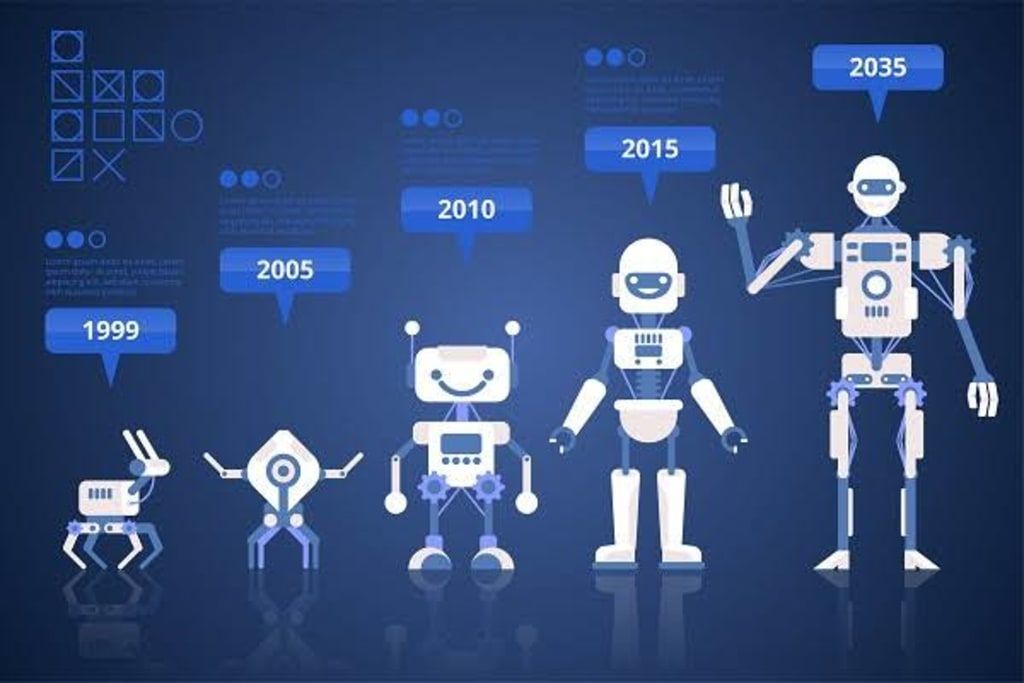
Today, machine evolution includes artificial intelligence technology, robotics engineering, industrial automation systems, and digital transformation strategies. Modern machines not only perform tasks but also collect data, analyze performance, and optimize operations using machine learning systems.
This evolution exists to solve practical problems: increasing productivity, improving accuracy, enhancing workplace safety, and enabling scalable production. As industries grow more complex, machines continue to adapt to changing technological and environmental demands.
Importance: Why Machine Evolution Matters Today
Machine evolution plays a central role in modern economies. Industries such as manufacturing, logistics, healthcare, agriculture, and energy rely heavily on advanced manufacturing technology and industrial automation.
The importance of machine evolution can be understood through several key factors:
• Efficiency and Productivity – Automation reduces manual effort and speeds up production cycles.
• Precision and Quality Control – Robotics and digital monitoring systems maintain consistent output standards.
• Workplace Safety – Hazardous tasks can be handled by automated systems instead of human workers.
• Data-Driven Decisions – Industrial IoT platforms provide real-time analytics and predictive maintenance insights.
• Sustainability – Smart manufacturing systems help reduce waste and optimize energy consumption.
The following table shows how machine evolution impacts different sectors:
| Sector | Key Machine Technology | Primary Benefit |
|---|---|---|
| Manufacturing | Industrial Robotics | Higher precision |
| Logistics | Automated Sorting Systems | Faster processing |
| Healthcare | Robotic Surgery Systems | Enhanced accuracy |
| Agriculture | Smart Farming Equipment | Improved yield monitoring |
| Energy | Automated Grid Systems | Stable power management |
Digital transformation has accelerated machine intelligence integration. Cloud computing and edge processing now enable machines to communicate across networks. This interconnected ecosystem forms the backbone of industrial IoT infrastructure.
Machine evolution affects engineers, policymakers, researchers, and business strategists. It also influences workforce skills, requiring training in data analytics, robotics engineering, and automation compliance standards.
Recent Updates and Emerging Trends
Recent developments show a clear shift toward intelligent automation systems. Several trends have gained attention over the past year:
• AI Integration in Manufacturing – Artificial intelligence technology is increasingly used for defect detection and process optimization.
• Digital Twin Technology – Virtual replicas of physical machines allow real-time simulation and testing.
• 5G-Enabled Smart Factories – Faster connectivity supports real-time data transfer between automated systems.
• Green Manufacturing Initiatives – Energy-efficient machine systems are becoming more common.
• Collaborative Robotics – Cobots are designed to work safely alongside human operators.
A simplified representation of technological progression is shown below:
Mechanical Tools → Electrified Machines → Programmable Automation →
Industrial Robotics → AI-Driven Smart Systems
The combination of machine learning systems and predictive maintenance has reduced unexpected downtime. Instead of waiting for failure, sensors detect early warning signs and trigger alerts.
In addition, cybersecurity in industrial automation has become a focus area. As machines connect to cloud networks, protection against digital threats becomes critical.
Laws and Policies Influencing Machine Evolution
Machine evolution is shaped by regulatory frameworks and safety standards. Governments and international bodies establish policies that guide automation compliance, environmental protection, and workplace safety.
Key regulatory influences typically include:
• Industrial Safety Standards – Ensure safe operation of robotics engineering systems.
• Data Protection Regulations – Govern how machine-generated data is stored and processed.
• Environmental Policies – Encourage sustainable manufacturing practices.
• Energy Efficiency Guidelines – Promote reduced carbon emissions.
• Technology Innovation Programs – Support research in artificial intelligence technology and smart manufacturing.
Compliance requirements often include risk assessments, regular inspections, documentation standards, and certification procedures. Automation compliance frameworks are designed to protect workers while maintaining operational efficiency.
Policy development also encourages responsible AI usage. Ethical guidelines address transparency, accountability, and fairness in automated decision-making systems.
Tools and Resources Related to Machine Evolution
Several digital tools and platforms support machine development, automation management, and industrial analytics. These resources help organizations monitor performance, improve reliability, and adapt to digital transformation trends.
Useful categories include:
• Simulation Software – For modeling robotics engineering and smart factory layouts.
• Predictive Maintenance Platforms – For analyzing sensor data and preventing breakdowns.
• Industrial IoT Dashboards – For monitoring connected devices.
• Machine Learning Frameworks – For building AI-driven automation systems.
• Digital Twin Applications – For testing production scenarios virtually.
• Energy Monitoring Tools – For tracking sustainability metrics.
Commonly referenced technology platforms include:
• Siemens industrial automation systems
• ABB robotics engineering solutions
• Rockwell Automation control systems
• General Electric digital industrial platforms
• International Organization for Standardization compliance frameworks
These organizations contribute to the development of advanced manufacturing technology and automation standards. Their platforms often integrate industrial IoT capabilities with AI-powered analytics.
Frequently Asked Questions
What is machine evolution?
Machine evolution refers to the technological progression from basic mechanical tools to intelligent, automated systems powered by artificial intelligence technology and industrial IoT networks.
How does artificial intelligence improve machines?
AI enhances machines by enabling predictive maintenance, automated decision-making, real-time quality control, and adaptive learning through machine learning systems.
What is predictive maintenance?
Predictive maintenance uses sensor data and analytics to identify potential equipment issues before failure occurs, reducing downtime and improving efficiency.
Are automated machines replacing human roles?
Automation changes job functions but also creates demand for new skills such as robotics engineering, data analytics, and automation compliance management.
Why is cybersecurity important in smart manufacturing?
Connected machines rely on data exchange. Protecting these systems prevents disruptions, data breaches, and operational risks.
Conclusion
Machine evolution reflects a continuous journey of innovation. From steam-powered engines to AI-driven smart systems, machines have become central to industrial automation and digital transformation.
Modern developments in robotics engineering, artificial intelligence technology, and predictive maintenance demonstrate how machines are becoming more intelligent and interconnected. Regulatory frameworks ensure that these advancements align with safety, environmental, and ethical standards.
As industries adopt advanced manufacturing technology and industrial IoT platforms, machine evolution will continue shaping productivity, sustainability, and technological progress. Understanding this transformation helps individuals and organizations prepare for a future where intelligent automation systems are deeply integrated into everyday operations.