Portable Safety Lights Overview: Basics, Explanation, Facts & Helpful Resources
Portable safety lights are compact lighting devices designed to improve visibility and alert people to hazards in various environments. They are commonly used in road safety, construction zones, emergency situations, outdoor activities, and industrial settings. These lights are typically battery-powered or rechargeable, making them easy to carry and deploy wherever needed.
Portable safety lights exist to address one of the most critical safety challenges: visibility. In low-light conditions, fog, heavy rain, or nighttime environments, people and objects become harder to see. This increases the risk of accidents, especially on roads or busy work sites.
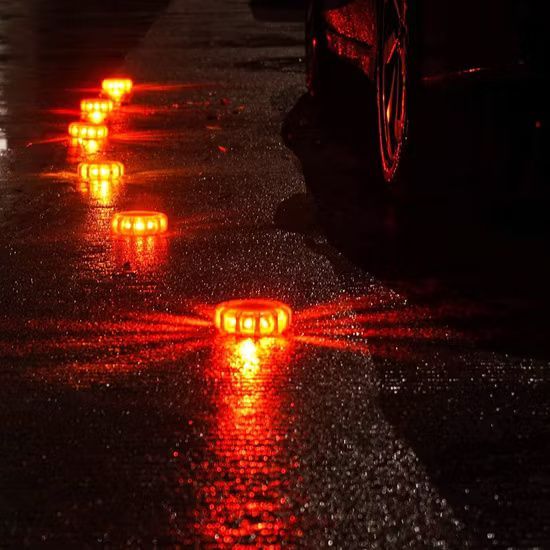
These devices are designed to emit bright, attention-grabbing light using technologies such as LED safety lights, strobe warning lights, and solar-powered safety lighting. Their portability allows them to be quickly placed in areas where temporary warnings are needed, such as vehicle breakdowns, construction zones, or emergency response situations.
They are widely used by:
-
Drivers during roadside emergencies
-
Construction and industrial workers
-
Emergency responders and traffic controllers
-
Cyclists and outdoor enthusiasts
The development of portable lighting solutions has improved significantly with advances in energy efficiency, durability, and smart lighting features.
Why Portable Safety Lights Matter Today
Portable safety lights play a crucial role in accident prevention and risk management. With increasing traffic density, urban development, and outdoor activities, visibility-related hazards are more common.
Key reasons why they matter:
-
Accident Prevention: Bright warning lights alert drivers and pedestrians, reducing collision risks
-
Workplace Safety Compliance: Many industries rely on safety equipment to meet workplace safety standards
-
Emergency Preparedness: Quick deployment during breakdowns or disasters improves response time
-
Outdoor Safety: Hikers, cyclists, and campers use them for visibility and navigation
They help solve problems such as:
-
Poor visibility in remote or dark areas
-
Lack of fixed lighting infrastructure
-
Temporary hazards that require immediate marking
-
Safety risks during nighttime work
The increasing awareness of road safety measures and workplace hazard prevention has made portable lighting devices a widely recognized safety tool.
Recent Trends and Developments
Portable safety lighting has evolved with modern technology, focusing on efficiency, durability, and smart integration.
Recent trends include:
-
Rechargeable LED Technology: Newer models use long-lasting lithium-ion batteries with extended runtime
-
Solar-Powered Options: Eco-friendly lighting solutions reduce dependency on traditional power sources
-
Smart Safety Lights: Some devices now include motion sensors, automatic activation, and remote control features
-
Multi-Mode Lighting: Adjustable brightness levels and flashing patterns improve adaptability
-
Compact and Durable Designs: Water-resistant and shockproof designs enhance usability in harsh conditions
There has also been a growing emphasis on integrating safety lighting into broader traffic safety systems, including reflective gear and digital hazard alerts.
Regulations and Safety Guidelines
Portable safety lights are often influenced by general safety standards and guidelines related to visibility and hazard signaling. These rules are typically defined by transportation authorities, occupational safety bodies, and industrial safety frameworks.
Common regulatory considerations include:
-
Brightness Standards: Lights must meet minimum visibility requirements for effective warning
-
Color Coding: Different colors (such as amber, red, or blue) are used to signal specific types of hazards
-
Usage Guidelines: Placement distance and positioning are often recommended for maximum effectiveness
-
Workplace Safety Rules: Industries may require specific types of safety lighting equipment for compliance
For example, construction sites and roadwork areas often follow safety compliance standards that require proper lighting and hazard marking. Similarly, emergency kits for vehicles may include portable warning lights as part of safety preparedness recommendations.
Tools and Helpful Resources
Several tools and resources can help individuals and organizations understand and use portable safety lights effectively.
Useful tools include:
-
Safety Planning Templates: Used to identify hazard zones and lighting needs
-
Lighting Requirement Calculators: Estimate brightness and coverage needed for specific areas
-
Mobile Safety Apps: Provide guidance on emergency preparedness and roadside safety
-
Instruction Manuals and Guides: Help users understand proper usage and maintenance
-
Workplace Safety Checklists: Ensure compliance with safety protocols
Below is a simple reference table for different types of portable safety lights:
| Type of Light | Key Feature | Common Use Case |
|---|---|---|
| LED Safety Lights | Energy-efficient, bright | Roadside emergencies |
| Strobe Warning Lights | Flashing patterns | Traffic control |
| Solar Safety Lights | Eco-friendly power | Outdoor and remote areas |
| Magnetic Base Lights | Easy attachment | Vehicles and machinery |
| Wearable Safety Lights | Personal visibility | Cyclists and workers |
These tools and resources support better planning, safer environments, and improved hazard awareness.Common Questions About Portable Safety Lights
What are portable safety lights used for?
Portable safety lights are used to improve visibility and alert others to potential hazards. They are commonly used in road safety, construction zones, emergency situations, and outdoor activities.
How do LED safety lights work?
LED safety lights use light-emitting diodes to produce bright illumination with low energy consumption. They are known for durability, long lifespan, and high visibility.
Are portable safety lights weather-resistant?
Many modern safety lights are designed to be water-resistant or weatherproof, allowing them to function effectively in rain, fog, and harsh outdoor conditions.
What is the difference between steady and flashing lights?
Steady lights provide constant illumination, while flashing or strobe lights are more attention-grabbing and are often used for warning signals in high-risk areas.
Can portable safety lights be used for personal safety?
Yes, wearable safety lights are commonly used by cyclists, runners, and pedestrians to improve visibility and reduce accident risks in low-light environments.
Visual Overview of Safety Light Types
Conclusion
Portable safety lights are an essential tool for enhancing visibility and reducing risks in various environments. Their versatility, ease of use, and technological advancements make them suitable for a wide range of applications, from roadside emergencies to industrial safety.
As awareness of safety practices continues to grow, these lighting devices play a key role in preventing accidents and supporting emergency preparedness. With ongoing innovations in LED technology, smart features, and energy efficiency, portable safety lights are becoming more reliable and accessible for everyday use.