Soundproofing Existing Walls Explained: Basics, Overview, Facts and Key Details
Soundproofing existing walls refers to methods used to reduce the transmission of sound between rooms or from outside sources into indoor spaces. Unlike noise cancellation technologies that rely on electronics, soundproofing typically uses structural or material-based techniques to absorb, block, or dampen sound waves.
The topic exists largely because modern living environments often place people close to each other. Apartments, offices, schools, and mixed-use buildings frequently share walls and ceilings. Everyday activities such as conversations, television audio, traffic noise, or construction sounds can easily travel through structural materials.
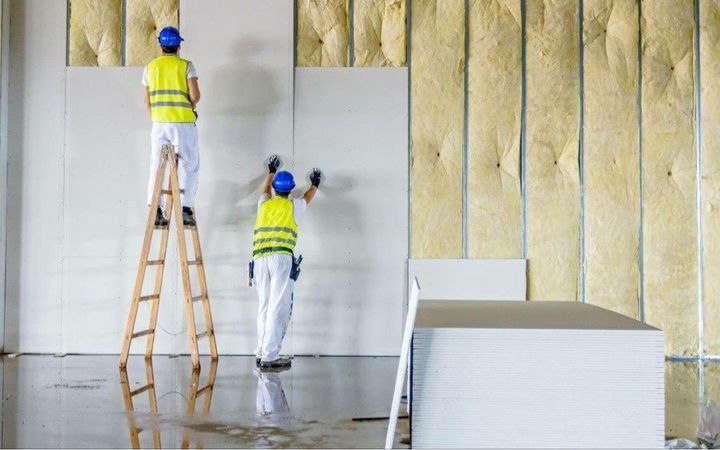
Most walls in standard buildings are designed for structural support and basic insulation rather than advanced acoustic insulation. As a result, many buildings allow airborne sound to pass through drywall, studs, and gaps. Soundproofing existing walls focuses on improving these structures without rebuilding them completely.
Sound travels through air and solid materials in the form of vibrations. When sound waves hit a wall, some energy reflects back, some passes through the material, and some converts into vibration within the structure. Effective soundproofing strategies typically combine several approaches:
-
Increasing mass to block sound transmission
-
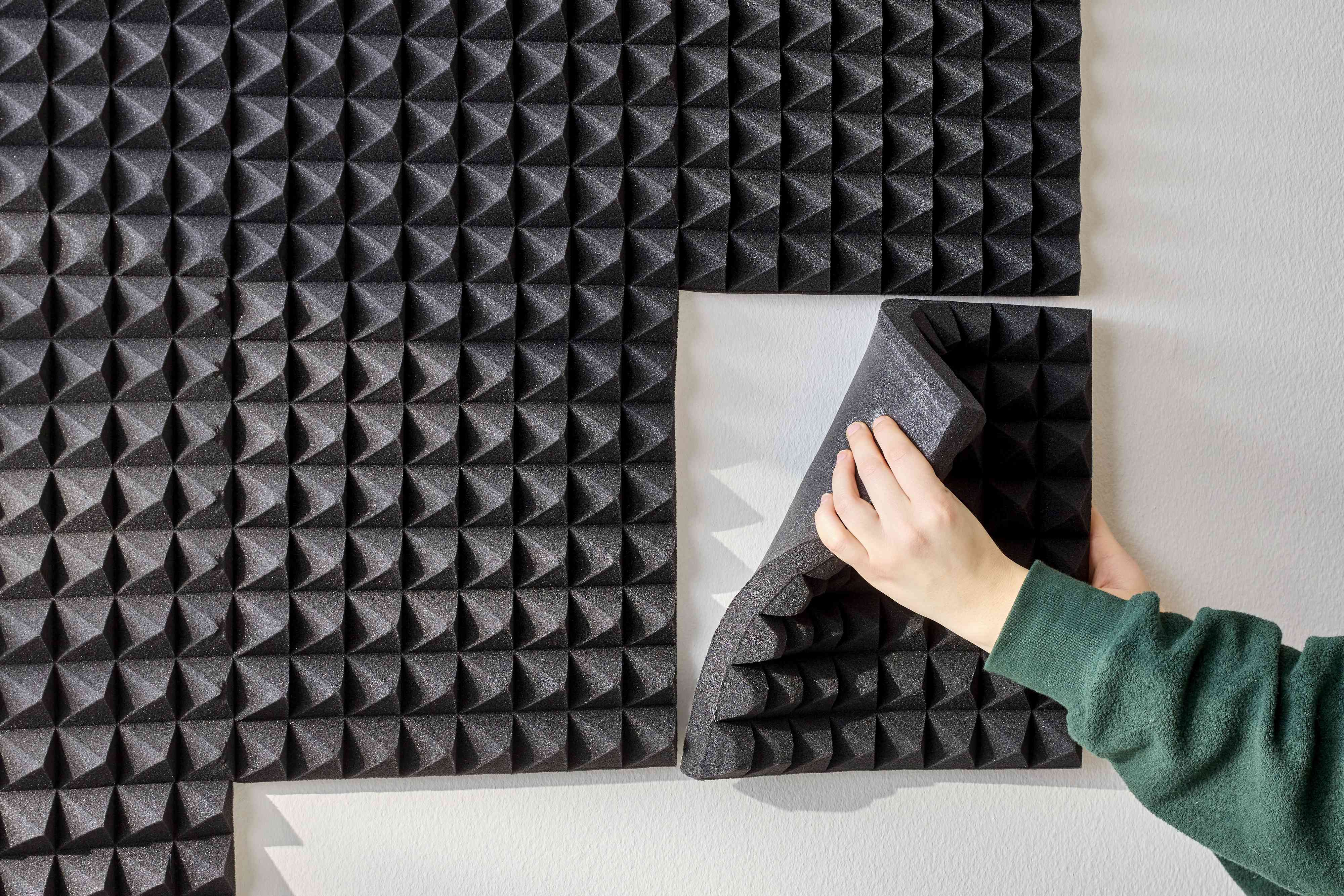
Adding damping materials that absorb vibration
-
Improving decoupling between wall layers
-
Sealing air gaps where sound can pass
These principles form the foundation of many acoustic insulation methods used in homes, studios, and commercial buildings.
Why Wall Soundproofing Matters Today
Noise has become a growing concern in many urban environments. Increased population density, remote work trends, and multi-purpose buildings mean that individuals often share walls with neighbors, colleagues, or commercial activities.
Research in environmental health has linked persistent noise exposure to reduced concentration, stress, and sleep disturbances. Because of this, soundproofing solutions are often discussed within the broader field of building acoustics and indoor environmental quality.
The topic affects several groups of people and industries:
-
Residents in apartments or high-density housing
-
Remote workers needing quiet home offices
-
Educational facilities requiring focused learning spaces
-
Healthcare environments where noise control supports patient recovery
-
Media and recording environments where sound clarity is important
Common noise sources that motivate soundproofing improvements include:
-
Traffic and street noise
-
Household appliances
-
Television or music systems
-
Office conversations
-
Mechanical equipment or building systems
Improving acoustic insulation within walls can help reduce these disturbances and create more comfortable indoor environments.
The concept is also increasingly linked to sustainable building practices. Acoustic design is often considered alongside energy efficiency and thermal insulation when designing modern structures.
Recent Developments and Trends in Acoustic Insulation
Interest in soundproofing and acoustic design has grown significantly in recent years. Several trends from 2024 and 2025 highlight how the topic continues to evolve.
One major trend is the growth of home workspace environments. Since 2024, remote and hybrid work arrangements have increased demand for quieter rooms inside residential buildings. Many homeowners now explore soundproofing techniques to improve productivity and reduce distractions.
Another development involves advancements in eco-friendly acoustic materials. Manufacturers have introduced insulation materials made from recycled textiles, cellulose fiber, and mineral wool that combine sound absorption with sustainability goals.
Architectural research published in 2025 also highlighted the use of multi-layer wall systems. These designs combine drywall layers with acoustic membranes and damping compounds to increase Sound Transmission Class (STC) ratings.
A simplified representation of how wall layers influence sound reduction is shown below.
| Wall Configuration | Approximate Sound Reduction Performance |
|---|---|
| Single drywall layer | Low sound blocking |
| Double drywall with insulation | Moderate sound reduction |
| Double wall with acoustic membrane | Higher noise isolation |
| Decoupled wall system | Advanced sound control |
Digital acoustic analysis tools have also become more accessible. Software applications can simulate how sound travels through walls, allowing designers to test different materials before construction.
Additionally, interest in smart building acoustics has grown. Some modern architectural designs now integrate acoustic panels and vibration-damping structures directly into walls and ceilings during renovation projects.
Regulations, Standards, and Building Policies
Soundproofing is closely connected to building codes and acoustic standards. Many countries include noise control guidelines within residential and commercial construction regulations.
Building policies typically focus on Sound Transmission Class (STC) ratings. STC measures how effectively a wall reduces airborne sound between spaces. Higher STC ratings generally indicate better sound isolation.
In many regions, building standards specify minimum STC levels for walls separating housing units. For example:
-
Shared apartment walls often require STC ratings around 50 or higher
-
Hotel and hospital walls may require higher acoustic performance
-
Educational facilities often include acoustic design recommendations
Governments and urban planning authorities may also introduce environmental noise guidelines to reduce exposure to traffic and industrial sounds.
Several international standards influence acoustic building design:
| Standard | Purpose |
|---|---|
| ISO 16283 | Field measurement of sound insulation in buildings |
| ASTM E90 | Laboratory measurement of airborne sound transmission |
| ISO 717 | Rating of sound insulation performance |
Some countries also provide guidelines through environmental or housing agencies. These programs often promote quieter building environments and encourage better acoustic insulation practices.
Local building authorities usually determine how soundproofing requirements are applied in construction permits and renovation approvals.
Helpful Tools and Resources for Learning About Soundproofing
Many digital tools and educational resources help individuals understand acoustic insulation and noise reduction techniques.
Online resources often include calculators, simulation software, and architectural databases that explain how sound behaves in buildings.
Examples of commonly used resources include:
Acoustic Calculators and Measurement Tools
-
Sound Transmission Class calculators
-
Noise level measurement mobile apps
-
Acoustic design simulation software
Educational Platforms
-
Online building acoustics courses
-
Architecture and construction learning platforms
-
Engineering research publications
Reference Websites
-
Building acoustics standards organizations
-
environmental noise research portals
-
construction material databases
Templates and Planning Resources
-
wall assembly design templates
-
acoustic inspection checklists
-
building renovation planning guides
These resources can help readers understand how wall structures influence sound behavior and how different materials interact with noise vibrations.
Common Soundproofing Materials and Their Acoustic Properties
Different materials absorb or block sound in different ways. Some materials are designed primarily for absorption, while others increase wall mass to block sound transmission.
The table below shows several common acoustic materials and their primary function.
| Material Type | Acoustic Function |
|---|---|
| Mineral wool insulation | Sound absorption within wall cavities |
| Acoustic drywall | Increased density for blocking sound |
| Mass loaded vinyl | Flexible sound barrier material |
| Acoustic sealant | Seals air gaps where sound leaks |
| Resilient channel systems | Reduce vibration transfer |
In practice, effective soundproofing usually involves combining multiple materials rather than relying on a single solution.
Frequently Asked Questions About Soundproofing Existing Walls
What is the difference between soundproofing and sound absorption?
Soundproofing focuses on preventing sound from passing through walls or structures. Sound absorption reduces echo and reverberation inside a room. Both approaches are related but serve different acoustic purposes.
Do thicker walls always reduce noise more effectively?
Thicker walls often block more sound because they contain greater mass. However, effective noise reduction also depends on factors such as insulation, air gaps, and structural design.
Can small gaps affect sound transmission through walls?
Yes. Even small openings around outlets, vents, or wall edges can allow sound waves to pass through. Sealing these gaps is often an important part of improving acoustic insulation.
What is an STC rating?
STC stands for Sound Transmission Class. It is a standardized measurement that indicates how well a wall, ceiling, or partition blocks airborne sound between rooms.
Why do some walls transmit vibration noise even with insulation?
Certain sounds travel through structural vibration rather than air. This type of sound transmission, known as structure-borne noise, can pass through studs, framing, and building materials.
Conclusion
Soundproofing existing walls is an important topic within building acoustics and indoor environmental design. As urban environments grow denser and more people spend time working or studying at home, interest in effective noise reduction techniques continues to increase.
Understanding how sound travels through walls helps explain why certain materials and structural strategies improve acoustic insulation. Techniques such as increasing wall mass, sealing air gaps, and reducing vibration transfer are commonly used to improve sound control.
Recent developments in eco-friendly insulation materials, digital acoustic modeling tools, and modern building design have expanded the knowledge available in this field. At the same time, building codes and international acoustic standards provide guidance on acceptable noise levels within shared structures.