Stylish Townhouse Overview: Explore Design Basics, Facts, and Key Information
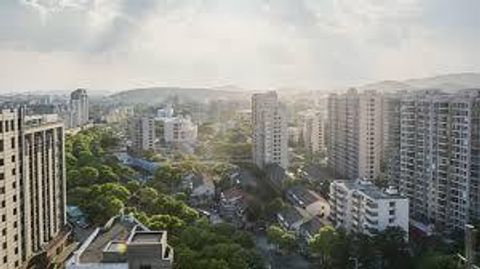
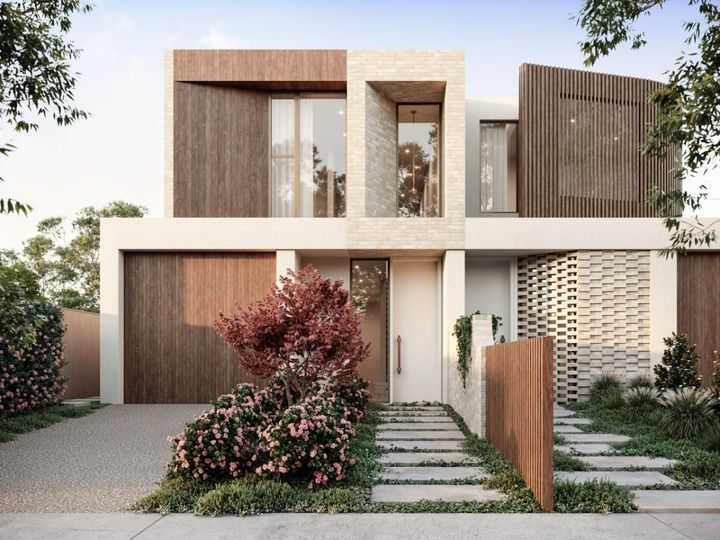
A stylish townhouse is a type of multi-level residential building that typically shares one or more side walls with neighboring homes. Townhouses are commonly found in planned urban neighborhoods where space efficiency, walkability, and cohesive design matter. Unlike detached houses, townhouses are arranged in rows, creating a consistent streetscape while still offering private living spaces.
This housing form developed to address growing urban populations and limited land availability. Over time, design priorities expanded beyond basic shelter to include natural light, efficient layouts, outdoor connections, and visual appeal. Today, the term “stylish townhouse” refers to townhouses that combine practical planning with contemporary architectural and interior design principles.
Importance: Why Stylish Townhouses Matter Today
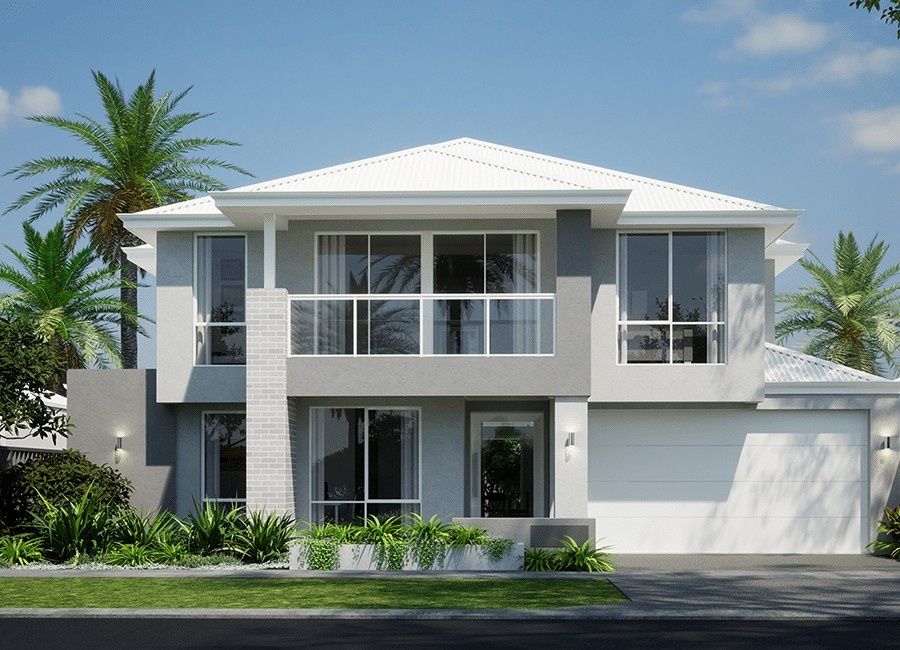
Stylish townhouses play a significant role in modern housing environments, especially in densely populated towns and cities. They balance private living with efficient land use and support compact community planning.
Key reasons this housing type matters include:
-
Urban space optimization
Townhouses make effective use of limited land while maintaining individual homes. -
Lifestyle flexibility
Multi-level layouts support work-from-home areas, shared family spaces, and private rooms. -
Community-oriented living
Shared walls and aligned layouts encourage neighborhood continuity without removing privacy. -
Sustainable design potential
Reduced exterior wall exposure can improve energy efficiency and material use.
This housing style affects homeowners, urban planners, architects, and local communities by addressing housing density challenges while maintaining livability and visual harmony.
Design Basics and Structural Facts
Townhouse design focuses on efficiency, vertical planning, and coherent aesthetics. While layouts vary, many share common architectural and functional characteristics.
Typical design features include:
-
Narrow but deep floor plans
-
Two or more levels connected by internal staircases
-
Front-facing entrances aligned along a street
-
Rear patios, balconies, or compact gardens
-
Shared structural walls between units
Common interior design principles:
-
Open-plan living and dining areas
-
Strategic window placement for daylight
-
Neutral color palettes with accent materials
-
Built-in storage to maximize usable space
Quick facts table:
| Design Aspect | Typical Characteristic |
|---|---|
| Building height | Multiple levels |
| Wall structure | Shared side walls |
| Entry access | Individual street-facing |
| Outdoor space | Balcony, terrace, or patio |
| Layout style | Vertical and compact |
Recent Updates and Design Trends
In recent months, townhouse design has evolved to reflect changing lifestyle patterns and environmental awareness. Designers are focusing on adaptability, comfort, and long-term usability.
Notable developments include:
-
Flexible interior zoning
Spaces designed to change function, such as living areas that adapt for remote work or study. -
Natural material emphasis
Increased use of wood textures, stone finishes, and muted tones for calm interiors. -
Indoor–outdoor continuity
Larger sliding doors, rooftop terraces, and greenery integration are becoming more common. -
Smart layout planning
Stair placement and vertical circulation are optimized to reduce wasted space.
Design trend comparison table:
| Earlier Focus | Current Focus |
|---|---|
| Closed rooms | Open, adaptable layouts |
| Decorative elements | Functional aesthetics |
| Standard lighting | Daylight-driven design |
| Fixed-use rooms | Multi-purpose spaces |
Laws or Policies Influencing Townhouse Development
Townhouse planning and design are shaped by general building rules and urban development guidelines. These frameworks aim to ensure safety, livability, and neighborhood consistency without focusing on any single region.
Common regulatory considerations include:
-
Minimum spacing and height guidelines
-
Fire safety and shared-wall standards
-
Structural load and material compliance
-
Access to light, ventilation, and drainage
Planning policies often encourage townhouses as part of balanced residential development because they support moderate density while maintaining orderly streetscapes. Environmental standards also influence insulation, ventilation design, and material selection.
Tools and Resources for Understanding Townhouse Design
Several digital tools and reference resources help readers explore townhouse planning, layouts, and design concepts in a practical way.
Helpful resources include:
-
Architectural layout planners
Applications that visualize floor plans and vertical circulation. -
3D home design software
Tools that simulate lighting, materials, and spatial proportions. -
Building code reference platforms
General guides explaining construction and safety standards. -
Interior design inspiration libraries
Curated collections of townhouse layouts and room ideas. -
Energy efficiency calculators
Tools that estimate insulation, daylight use, and ventilation efficiency.
These resources support informed decision-making and design literacy without promoting transactions.
Frequently Asked Questions
What makes a townhouse different from other residential homes?
A townhouse is typically connected to neighboring homes by shared walls while maintaining a private entrance and multi-level interior layout.
Are townhouses suitable for families?
Yes. Multi-level layouts allow separation of shared and private spaces, which can support different household needs.
How do stylish townhouses improve urban living?
They use land efficiently, maintain consistent street design, and support walkable, community-focused neighborhoods.
Do townhouses allow natural light despite shared walls?
Design strategies such as skylights, front and rear windows, and vertical voids help maximize daylight.
Can townhouse interiors be customized?
Interior layouts often allow flexibility in finishes, storage solutions, and room functions within structural limits.
Conclusion
Stylish townhouses represent a thoughtful response to modern housing challenges. By combining efficient land use, adaptable layouts, and contemporary design principles, they support comfortable living in compact urban environments. Their continued evolution reflects changing lifestyle needs, design awareness, and planning priorities. Understanding their structure, design basics, and regulatory context helps readers appreciate why this housing form remains relevant and widely adopted.